2026-09-21 · 8 min read · Bay Area
Window Checklist for Bay Area Home Buyers
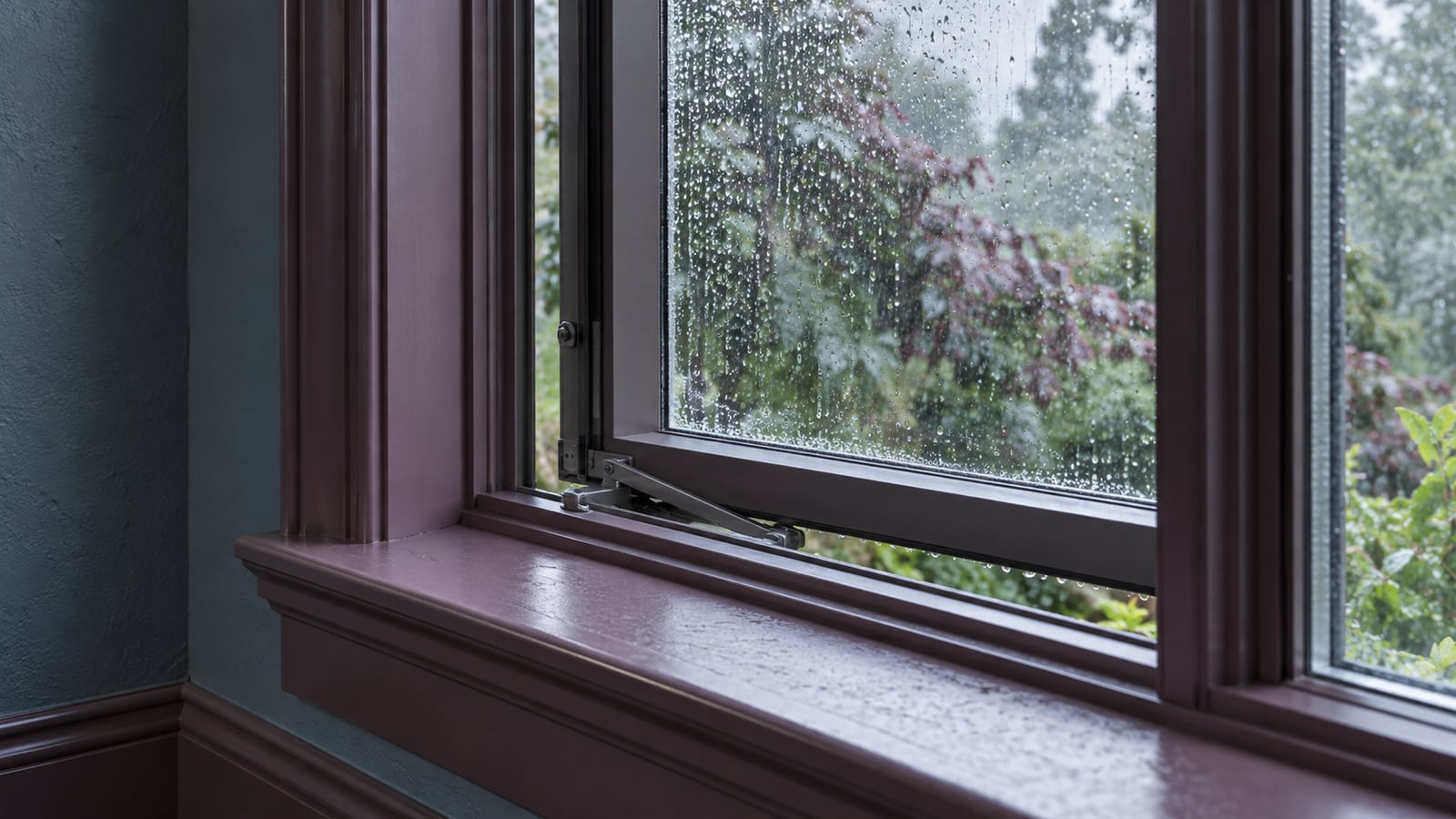
Windows answer more than one question
A window can look clean in listing photos and still leave practical questions. Does it open without force? What can you hear when it is closed? Is the cloudy area on the glass surface or between the panes? Who is responsible for the frame in a condominium?
This window checklist for Bay Area home buyers helps you review what is visible, what you can test with permission, and what still needs records or a qualified opinion. You are not trying to inspect the house yourself. You are trying to avoid turning one quick impression into a conclusion.
At Crypton Realty, I want buyers to connect each observation to daily use, property condition, and the limits of the information available. A bright room can still have a window question. An older window can still work well. Start with facts.
Open and close only what you have permission to test
Ask before operating windows, locks, shades, or screens. Then use normal pressure. Do not force a painted sash, remove a screen, lean outside, climb on furniture, or take apart hardware.
Notice whether the window opens, stays in position, closes fully, and latches. Look for a sash that drags, a crank that slips, a lock that does not align, or hardware that feels loose. Write down the room and the exact behavior. One difficult window does not tell you whether the cause is paint, hardware, alignment, swelling, installation, or something else.
Add the locations to your second showing checklist. A specific note gives the inspector or window professional something useful to review. A note that says old windows does not.
Read the glass before you judge the whole window
Look at each pane from more than one angle. Dirt, glare, a damaged screen, surface condensation, scratches, and moisture between panes can look similar during a fast tour. Change your position and compare the inside and outside surfaces when they are safely accessible.
A cloudy area that appears trapped between panes may raise a question about the sealed glass unit. A crack, chip, missing pane, or loose-looking glazing deserves its own note. Do not press on damaged glass or try to prove where the moisture sits.
Ask what the inspection report observed and whether the concern affects only the glass or more of the assembly. Replacement scope can differ by window type, frame condition, access, and building rules. A quick online estimate cannot answer that for the property.
Frames, sills, and trim can show where to ask next
Review the frame, sill, surrounding trim, wall below, and floor nearby. Note peeling finishes, staining, swelling, corrosion, gaps, cracked sealant, patched areas, or material that looks different from the surrounding surface.
These clues do not prove an active leak or a failed window. Water can come from the window assembly, exterior wall, roof, plumbing, condensation, or an older event that was repaired. Do not poke soft material, lift trim, or call a stain mold based on appearance.
Describe the location in plain language and compare it with the disclosures, inspection findings, and repair records. The same discipline matters when you review the roof or attic. Name the clue. Let the right professional identify the cause.
Test noise with the window open and closed
Stand in the rooms where quiet matters to you. Listen with the window closed, then open it if you have permission. Notice traffic, mechanical equipment, common areas, voices, deliveries, and other sounds without making assumptions about the people or the neighborhood.
The difference between open and closed matters, but one visit gives you one moment. Weather, traffic, nearby work, and building activity can change. A quiet showing does not prove the room is always quiet. A loud truck passing once does not prove a constant problem.
Use the full guide to checking noise before buying if sound affects your decision. Return to the surrounding public area at another appropriate time and keep the comparison tied to what you can verify.
Separate light, airflow, and comfort
Windows affect several parts of a room, and those parts are easy to blur together. A large pane may bring in light but may not open. An operable window may provide airflow but face a shaded side yard. A room can feel comfortable during a staged showing because the heating or cooling system has been running.
Notice the window direction, overhangs, nearby structures, trees, coverings, and which panels open. Do not assume one sunny visit represents every hour or season. The natural light checklist gives you a separate way to test that question.
If comfort or ventilation matters to your decision, ask what the inspection covered and whether another qualified evaluation is appropriate. A window alone does not explain the performance of the whole room.
Look at privacy, access, and everyday use
Stand where a bed, desk, sofa, or dining table would likely sit. Look toward neighboring windows, shared walkways, streets, fences, and outdoor areas. Then check what changes when the shade or curtain is closed.
Notice whether coverings block the latch, whether furniture would limit access, and whether a low or hard-to-reach opening creates a practical concern for you. Check visible locks and screens without treating them as proof of security or code compliance.
Bedrooms and other rooms may have property-specific requirements for emergency escape, light, ventilation, or guards. Do not decide compliance from a tour. Ask the inspector or appropriate local professional what applies to this home and what could be verified.
Exterior conditions belong in the same review
When access is safe and permitted, look at the outside of the window from the ground or another normal viewing area. Notice the surrounding finish, trim, flashing details that are visible, sealant, planter beds, sprinklers, roof runoff, and places where water may collect.
Do not climb, move landscaping, step onto a roof, or assume that a visible gap has one cause. Exterior conditions may be concealed by siding, stucco, paint, vegetation, or recent repairs. Your view may also be limited on upper floors or narrow side yards.
Record the access limit. A window that looks neat from inside can still need an exterior review. A weathered exterior does not automatically mean the entire assembly needs replacement.
Condominium windows need an ownership answer
In a condominium, cooperative, or other shared building, do not assume the owner controls every part of the window. Responsibility for glass, frames, exterior finishes, waterproofing, screens, or replacement approval may be divided by the governing documents.
Read the relevant association documents and ask direct questions. Who maintains each component? Does replacement require approval? Are there required styles or specifications? Is any planned work described in the records? Who pays under the documents for the issue you are evaluating?
A verbal answer during a showing is not enough for a decision. Connect the window question to the disclosure package, association records, and property-specific advice from the appropriate professionals.
Records can explain age and scope
Ask whether invoices, permits, warranties, product information, repair records, or prior inspection notes exist. A date can help, but age alone does not tell you condition, installation quality, maintenance, or remaining service life.
Read what the record actually covers. Replaced windows may mean every opening, one elevation, only glass units, or a mix of work completed at different times. A warranty may have limits or may not transfer. Do not fill those gaps with assumptions.
Match records to locations. If the front bedrooms have one frame style and the rear rooms have another, note that difference. Ask whether the inspector could identify the systems and whether further evaluation was recommended.
Turn the checklist into a decision
Sort your notes into four groups. Confirmed facts describe what you observed or what a record states. Access limits show what could not be reviewed. Open questions need a document or explanation. Professional questions need the right inspector, contractor, association contact, or other qualified person.
Keep the findings in proportion. One stiff latch does not make the home wrong. A room full of new windows does not erase unclear installation records, moisture clues, or association restrictions. The useful question is what you know, what remains uncertain, and whether the next answer could change your decision or budget.
Use this window checklist for Bay Area home buyers with my guide to buying a home in the Bay Area, the local page for buying in Alameda County, and my Bay Area buyer process. If you want help organizing the reports and questions for a property you are considering, send me the address and what you have received. We will separate visible facts from unanswered questions before you decide.