2026-09-05 · 7 min read · Bay Area
How to Check Noise Before You Buy a Bay Area Home
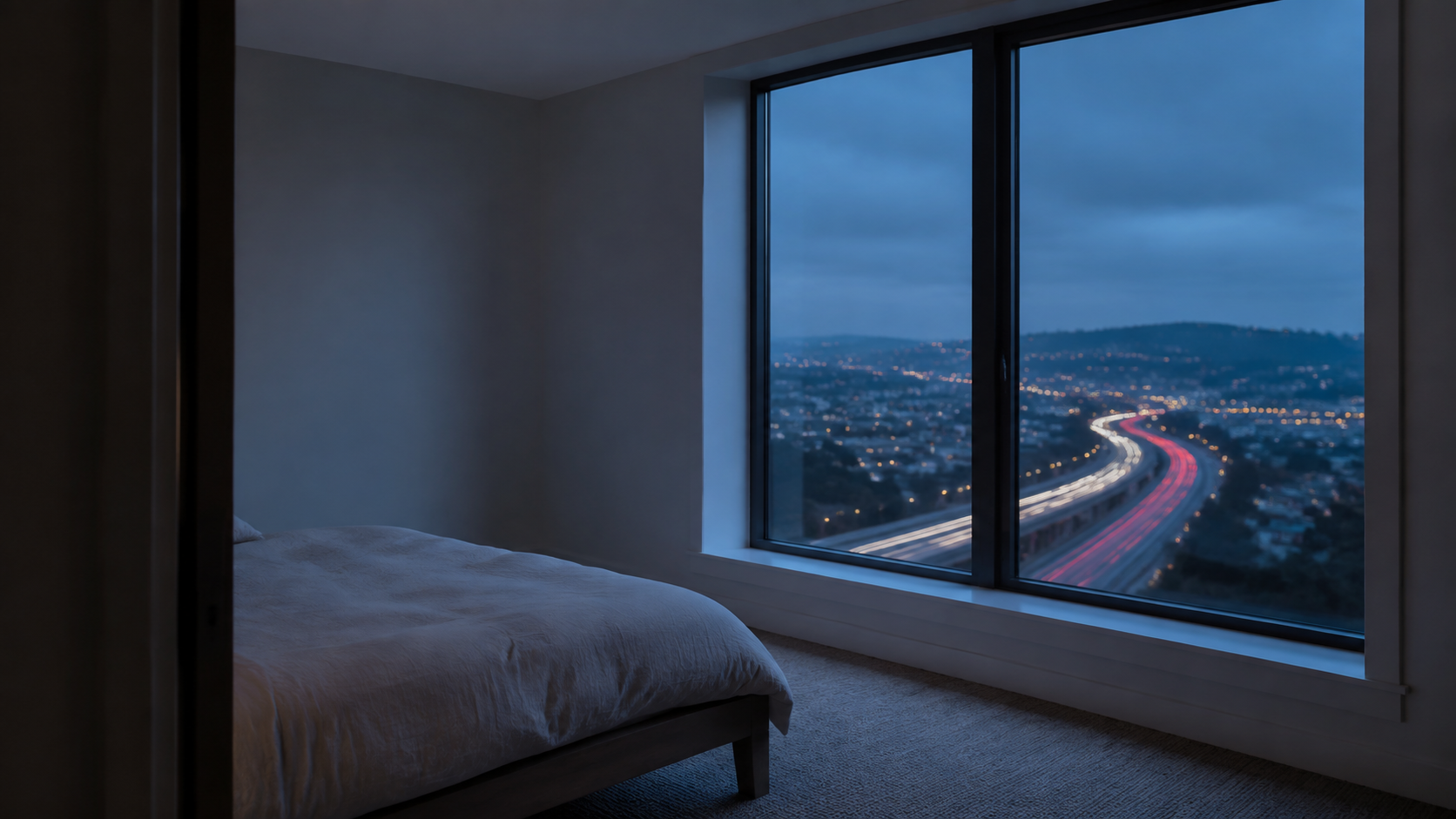
One quiet showing is not enough
A home can feel completely quiet during a showing and sound very different when you are trying to sleep, work, or open the windows. That does not mean the seller hid something. It means a short visit gives you one sample from one part of the day.
Noise is also personal. A sound that disappears into the background for one buyer can be the reason another buyer never feels settled. You are not looking for a silent home. You are trying to understand the sound environment before you make a decision you cannot easily reverse.
At Crypton Realty, I want buyers to check noise with the same seriousness they bring to layout, condition, and disclosures. This guide explains how to check noise before you buy a Bay Area home without pretending one visit can answer everything.
Listen before you start talking
Most home tours begin with conversation. The agent explains the property, buyers react to the rooms, and everyone keeps moving. Sound disappears under all of that.
Give yourself a quiet pause in the rooms that matter most to you. Stand still. Do not talk. Notice whether you hear traffic, footsteps, plumbing, garage doors, elevators, heating or cooling equipment, outdoor activity, or sound from another part of the home. Then ask whether the sound is steady, occasional, or tied to something operating nearby.
Do not diagnose the source from one sound. A low hum could come from equipment inside the property, equipment next door, or something farther away. Write down what you heard and where you heard it. The goal is a useful question, not a confident guess.
Open and close the windows
Windows can change the answer fast. A room may feel calm with every window closed and become much louder when fresh air comes in. The opposite can happen too. A well-sealed window can reduce outside sound enough that the tradeoff works for you.
If access rules allow it, listen with the window closed, then open it and listen again. Test the bedrooms, the room where you would work, and any outdoor area you expect to use. Pay attention to the difference rather than judging the sound in isolation.
Look at how you would live. If you like sleeping with a window open, a quiet result with it closed may not solve your problem. If you normally keep windows closed and use heating or cooling, listen to those systems running too. The useful test matches your routine.
Check every side of the home
The front room does not tell you how the back bedroom sounds. Noise changes with orientation, height, walls, fences, neighboring structures, and the position of mechanical equipment.
Walk the full interior and pause near each exterior wall. Compare rooms facing the street with rooms facing the rear or side. Stand near the garage, laundry area, furnace, water heater, electrical equipment, and exterior heating or cooling units when access is allowed. You are listening for a pattern.
The broader second showing checklist helps connect these observations to the way the whole property works. Noise should not be a separate afterthought. It belongs beside light, layout, storage, access, and condition when you compare homes.
Shared walls need a different test
A condo or townhome adds another layer because some sound may travel through shared walls, ceilings, floors, hallways, garages, gates, or building equipment. A silent unit during a short tour does not tell you how the building sounds at other times.
Listen in rooms that touch common areas or neighboring units. Notice door closers, elevators, garage access, plumbing, ventilation, and footsteps above if the unit is not on the top floor. Ask which walls, floors, or ceilings are shared. Look at the unit's position within the building instead of treating every floor plan as acoustically identical.
Property documents may contain information about building construction, maintenance, resident complaints, or planned work, depending on what is available for that property. Review what you receive rather than assuming the documents contain a particular answer. My guide to reading a disclosure package explains how to turn a large file into specific questions.
Use the surrounding public streets
The showing tells you what happened inside during that appointment. The public streets around the property can tell you more about the setting.
If noise matters to you, return to the surrounding area at times that match your actual routine when it is practical and appropriate. Sit in your car on a public street. Walk the block. Listen from more than one side. Notice nearby roads, transit, commercial activity, recreation areas, loading zones, construction, and mechanical equipment without making assumptions about the people who use them.
Maps and satellite views can help you identify possible sources that were not obvious from the front door. They do not tell you how loud something feels inside a room. Use them to decide where to listen, not to replace listening.
Separate permanent sound from temporary sound
A nearby road and a contractor working for the afternoon are not the same issue. One may be part of the location. The other may disappear when the project ends. Your job is to learn which type you heard.
Ask what is known about current work, building projects, equipment service, and recurring activity. Check available disclosures, association material, public information, and the appropriate professionals when the answer matters. Do not rely on a casual promise that something is temporary. Do not assume every temporary sound will continue either.
The same discipline applies to physical findings. An observation becomes a question, the question leads to evidence, and the evidence helps you decide. That is part of buying a Bay Area home without guessing.
Decide what the tradeoff means for you
There is no universal acceptable noise level. Your schedule, sleep, work, hearing, window habits, and tolerance are personal. The useful question is not whether the home is objectively quiet. The useful question is whether its sound environment works for the way you live.
Write your observations in plain language. Note the room, the sound, whether the window was open, what was running, and what you still need to verify. Then compare that information with the home's other strengths and tradeoffs. A property near a busy route may solve a location priority for one buyer and create a daily problem for another.
Local context matters too. Compare a property with real alternatives in the same search, including options such as buying a home in Alameda County, rather than with an imaginary home that has every advantage and no compromise.
Turn what you heard into the next question
Finish the visit with a short list. Which sounds did you hear? Which sources can you identify? Which answers need documents? Which need another visit, a specialist, or your own decision about tolerance?
Access, available information, and offer timing vary by property. You may not get every test or every answer before making a decision. That does not make the unanswered question irrelevant. It means you should name the uncertainty and decide how much weight it carries for you.
The buyer process shows how I organize information before an offer becomes emotional. If you are considering a Bay Area home and noise could affect the decision, send me the address and what concerns you. I will help you build a focused list of what to check next.