2026-09-03 · 7 min read · Bay Area
Second Showing Checklist: What to Check Before You Make an Offer
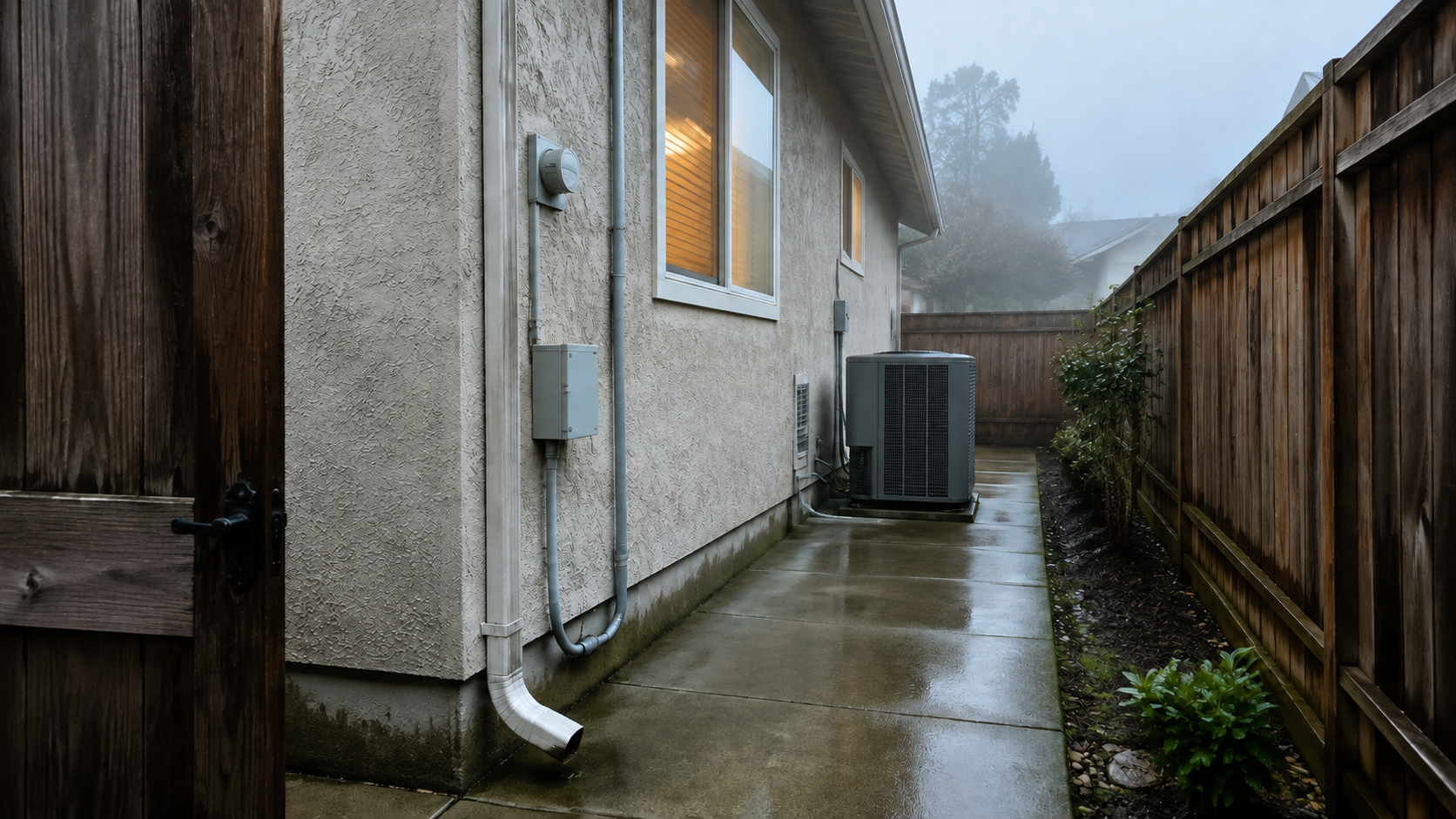
A second showing should test the decision
The first tour tells you whether a home deserves more attention. A second showing has a different job. It should help you test the decision before emotion fills in the blanks.
A polished kitchen can be easy to remember. The path from the garage to the kitchen, the storage you would use every day, the afternoon light, and the noise with the windows open are easier to miss. Those details affect how the home works long after the staging is gone.
At Crypton Realty, I want buyers to leave a second visit with fewer assumptions and better questions. This second showing checklist is not a substitute for disclosures or professional inspections. It is a way to use your time inside the home with more purpose.
Start with your unanswered questions
Do not arrive and take the same walk in the same order. Before you go back, write down what you still do not know.
Maybe you could not tell whether the dining area fits the way you use it. Maybe the primary bedroom felt quiet, but every window was closed. Maybe the garage looked large until you noticed the water heater, storage cabinets, or narrow approach. Your list should come from this home, not from a generic checklist copied from the internet.
Separate your questions into three groups. One group is about daily use. Another is about the physical condition and the reports available to you. The last group is about the location and the tradeoffs you accepted when you chose this part of the Bay Area. That structure keeps a second tour from becoming another emotional lap through the rooms.
Walk the route you would use every day
Tour the home as if you already live there. Enter through the door you would actually use. Carry an imaginary bag from the car to the kitchen. Stand where shoes, coats, bicycles, work equipment, or deliveries would need to go.
Open the closets you are allowed to open. Look at cabinet depth and door clearance. Notice whether one open door blocks another. Check whether the route to laundry makes sense for you. These are small observations, but they show whether the layout supports your routine or asks you to work around it.
The goal is not to find a flawless floor plan. Every home asks for tradeoffs. The useful question is whether these tradeoffs fit your priorities. The broader Bay Area home-buying guide starts with the same idea. Your budget, daily life, and risk tolerance need to agree before an offer makes sense.
Look beyond the staged rooms
Spend time in the places that did not make the listing photos. Look at the side yard, garage, utility area, under-sink cabinets, exterior walls, window frames, and access points for systems. You are not diagnosing the property. You are noticing what deserves a question.
Water staining, an unusual smell, a door that sticks, or a drain that seems slow does not tell you the cause. It tells you to ask what is known, review the documents, and decide whether a qualified professional needs to address it. A buyer can create unnecessary fear by guessing at the cause. A buyer can also create unnecessary risk by ignoring the clue.
This is where calm observation matters. Name what you saw. Do not name a defect you are not qualified to confirm.
Connect the disclosures to the actual property
Documents make more sense when you can connect them to a room, wall, system, or part of the site. If a report mentions a repair, improvement, inspection finding, or area that was not accessible, locate it if access is allowed. Ask what changed and what documentation is available.
A disclosure package can contain seller statements, inspection material, title information, and other property records. The contents vary by home. Your job is not to memorize everything during the visit. Your job is to understand which physical details connect to which documents and which questions are still open.
Read how to review a disclosure package without panicking before the return visit. Then use the second showing to give the documents a physical context. If something does not match what you expected, stop and ask. Do not explain the gap to yourself.
Test what the photos cannot show
Listing photos can show space and presentation. They cannot tell you how a room sounds, how air moves, whether the floor feels level under your feet, or how the light changes when blinds are open.
Pause in each room. Look out each window. Open interior doors. Notice where neighboring structures sit in relation to the windows and outdoor areas. Listen with the heating or cooling system off if the property rules allow it. Then listen again when a system is running.
One visit gives you one moment, not a complete picture of a street or building. Weather, traffic, nearby work, and activity can change. If a location question matters to your decision, visit the surrounding public streets at another appropriate time and verify the issue directly. Do not make assumptions about residents or neighborhood character.
Separate fixable details from permanent tradeoffs
Paint can change. Lighting can change. Furniture can change. Lot position, room relationships, stairs, shared walls, and the basic route through a home are much harder to change.
A second showing should help you avoid treating those categories as equal. It is easy to reject a workable home because of a finish you dislike. It is also easy to excuse a permanent layout problem because the home is presented well.
Make two lists after the tour. Put cosmetic items and manageable projects on one list. Put the fixed or expensive-to-change conditions on the other. Then decide which list contains the issues that matter to you. This is especially useful for first-time Bay Area buyers who are still learning which concerns belong to the house and which belong to the buying process.
Compare the home with your real alternatives
Do not compare the home only with its list price or with the ideal house in your head. Compare it with the homes you can realistically choose in the locations and price range you have accepted.
One home may offer a better layout but a location tradeoff you do not want. Another may need work but solve the daily-use problems that matter more. A useful comparison includes condition, location, layout, likely project needs, and the information in the disclosures. It also includes what you would give up by walking away.
The Bay Area is a collection of different micro-markets. A compromise that makes sense in Alameda County may not be the same compromise you would consider elsewhere. Judge the property against the real local alternatives, not a broad headline and not the asking price alone.
Leave with written questions, not a forced answer
Before you leave, write down what still needs an answer. Which observations need a document? Which need the seller's response? Which need a contractor, inspector, lender, insurance professional, attorney, or tax adviser? Which are personal tradeoffs that only you can decide?
Access and timing differ from one property to another. A second visit may not always be available before an offer. When it is available, use it well. When it is not, the answer is not to pretend the missing information does not matter. Decide what can be verified another way and what uncertainty you are willing to carry.
The full buyer process explains how I organize the decision from preparation through closing. If you are considering a Bay Area home and want help separating a real concern from a distraction, send me the property and your questions. I will tell you what I would examine next.