2026-11-17 · 11 min read · Bay Area
How Should Buyers Review Condo Utility Meters and Bills?
How should you review condo utility meters and bills before buying?
To review condo utility meters and bills, make a separate line for electricity, gas, water, sewer, trash, and any shared service. For each line, ask who bills the unit, whether use is measured by a meter or divided another way, what the HOA dues cover, and who maintains the equipment. Compare the seller's recent bills with the association budget and written billing explanation. If the answers conflict, ask the association manager and the utility to explain the specific account before you remove an investigation contingency.
I am Kate Fomina, a real estate broker at Crypton Realty in Alameda. I help Bay Area buyers organize these questions and request records. I cannot verify meter wiring, calculate future utility charges, interpret an HOA declaration, or promise that an account can be opened. A utility, qualified contractor, association manager, and attorney answer those questions within their roles.
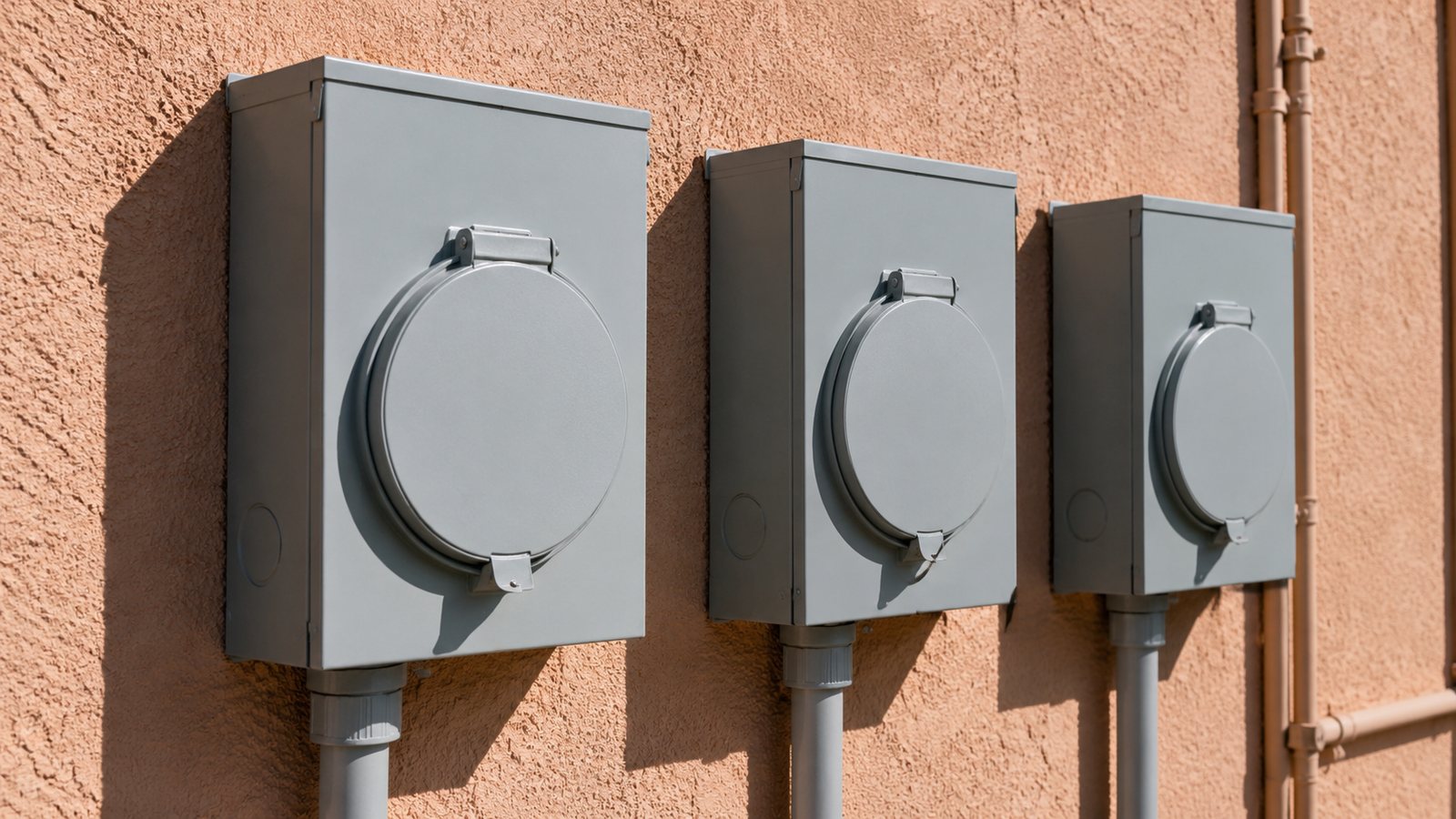
The image above is a fictional AI-generated image. It does not show a real condominium, meter, bill, association, property, client, or utility arrangement.
Why can a condo listing leave the utility picture unclear?
A listing may say that water or trash is included in HOA dues. That statement does not tell you whether the unit has an individual meter, whether the association pays a master bill, or whether a separate charge appears later on the owner's statement. It also does not show what happens if the association changes its budget. Ask for the written source behind the listing description.
The California Department of Real Estate says condo buyers should examine governing and financial documents because important ownership duties may not be visible during a physical inspection. Its common interest development guidance points buyers to the annual budget report, governing documents, and association statements. Utility service is one practical question to bring to that review. The exact answer comes from the property's records, not from a general rule about condos.
What is the difference between a direct meter, master meter, and submeter?
With direct service, the utility identifies an account and meter for the unit and bills its customer under that service arrangement. A master meter measures service for a larger property. A submeter may measure use after that master meter, while the association or another billing party handles the individual charge. Some associations include a service in assessments or allocate a shared charge under their documents without a unit-level meter. Do not use these terms interchangeably.
PG&E explains its master-meter setup as one in which a property manager divides energy costs and the customer pays the manager rather than PG&E. The East Bay Municipal Utility District's individual water metering guide illustrates a primary meter measuring total building water and submeters measuring individual units. Those are examples of arrangements to recognize, not proof of how the condo you are considering is billed. Ask the actual provider and association.
Which documents should you request first?
Ask for the current HOA budget and annual policy materials, governing documents, the seller's recent utility bills or account summaries with personal information removed, any separate utility statement from the association or billing company, and written rules for charging shared services. Ask the manager which services dues cover and whether owners receive another bill. If there is a recent change in billing, request the notice and effective date.
Compare dates. A budget for one period, a seller bill for another, and a listing description written earlier may all be accurate for their own dates. The condominium disclosure package guide explains how to keep the association records together. The HOA budget review guide addresses the larger operating picture. Here, use those records to answer the narrower question of who collects each utility charge.
How do you match a bill to the unit and the service?
Start with the service address, account holder or billing party, service type, meter identifier if shown, billing dates, and any separately stated common-area charge. A redacted bill can still retain those fields. Ask the seller or manager to explain any address that names the entire building rather than the unit. If the provider will not discuss a seller's private account with you, ask the seller to authorize a specific information request or provide a record with private details covered.
Do not assume a number on a bill identifies every device on a wall. The same unit can have separate electric and gas service, or one service can appear on an association statement. A utility representative can tell you what its records associate with a service address, subject to its privacy rules. An electrician or plumber can assess physical equipment when access and expertise are needed. Keep the bill, the building diagram, and the on-site observation as three separate pieces of evidence.
What should you check during a property visit?
Ask for permitted access to meter and shutoff areas. Note where labels appear and whether the manager can identify the equipment serving the unit. Photograph only with permission. Look for a unit-level statement or written manager explanation to compare with those labels. If labels are missing or contradictory, record the question. Do not open panels, turn valves, or perform a meter test on another owner's equipment.
A physical visit can reveal a locked utility room, a remote water shutoff, or a label that needs confirmation. It cannot establish account ownership or future billing by itself. A licensed contractor can inspect a technical concern. The utility can confirm its service records. The HOA can describe access and maintenance rules. My disclosure package guide gives buyers a way to turn visible clues into specific written follow-up questions.
How do you separate the monthly bill from HOA dues?
Write down the recurring payment paths, not just a total. One path may be a utility bill directly to the provider. Another may be an HOA assessment that pays the association's common or unit service costs. A third may be a separate submeter or allocation statement. Ask whether sewer and trash follow the same path as water. Ask whether any service has a fixed charge as well as a use-based charge.
Read the association budget line and the billing explanation together. A line labeled utilities in an operating budget may cover common lighting, irrigation, or shared equipment rather than every unit's private use. A listing phrase such as included in dues may need qualification. Ask the association manager to identify the exact budget item, billed account, allocation rule, and contact for billing disputes. Keep the answer in writing so you can compare it with later documents.
Who maintains the meter, pipes, and service lines?
Billing and maintenance are different questions. A utility may own or service equipment on one side of a service boundary while the association or owner is responsible elsewhere. A submeter can be privately maintained even when a larger utility meter measures total service. The governing documents may divide responsibility for common area and separate interests, but the physical location alone does not settle the legal answer.
The DRE's condo buyer guidance specifically urges review of maintenance responsibilities in the governing documents. Ask the provider where its responsibility ends, ask the HOA for the relevant declaration and maintenance policy, and ask a qualified contractor about condition. An attorney should interpret a disputed duty. Do not infer who will pay for a repair solely from who sends the monthly bill.
Can a seller bill tell you what you will pay?
It tells you what one account was charged for a stated period under that account's use and terms. It is useful evidence, but it is not a quote for your future bill. Use can change. Rates, fixed charges, billing arrangements, and HOA assessments can also change. Ask the provider for its current service and rate information, and ask the association about approved or proposed changes that affect utility charges. Avoid building a budget from the smallest bill in a packet.
Look for gaps. If the seller provides only electricity bills, ask where water, sewer, gas, and trash appear. If a bill is paid by the association, ask whether that cost appears in current dues or a separate statement. Do not call a missing bill free service. It means the payment path still needs to be identified.
What if the documents and the manager give different answers?
Describe the conflict without choosing a convenient version. For example, a budget may show a water expense while the manager says each unit receives a water charge. Both can be true if the association pays for common use and a billing company charges for unit use. Ask for a written breakdown showing the account holder, the service measured, the allocation method, and the period covered. If an old rule has changed, request the current notice.
Ask your agent to track the open question against the contract's document and investigation deadlines. The educated step of my buying process is about getting the answer while you still have a choice. Your signed contract controls your options. If the unresolved issue changes your decision, your attorney can advise on the contract and association documents before you act.
Which mistakes make this review harder?
1. Treating included as unlimited. Ask what the HOA actually pays and whether a separate charge or policy applies.
2. Reading one bill as the whole picture. List every service, including sewer and trash, even if one provider combines them.
3. Assuming a labeled meter proves responsibility. Confirm the account with the provider and the maintenance rule with the association.
4. Using a tenant submeter rule as an owner answer. Some PG&E materials explain rights for tenants in master-metered rental properties. An owner buying a condo needs the property's actual association documents and billing terms. Do not transplant a landlord-tenant conclusion into an ownership dispute.
5. Waiting until after a deadline. A manager, provider, or specialist may need time to answer. Ask while your contract still gives you an investigation path.
What should be on a condo utility review checklist?
- List electricity, gas, water, sewer, trash, and any shared service separately.
- For each service, name the provider, billed party, billing frequency, and payment path.
- Ask whether the unit has a direct meter, private submeter, shared meter, or allocated charge.
- Match the seller's dated records with the current HOA budget and billing explanation.
- Request the maintenance rule and the access procedure for meters and shutoffs.
- Ask the utility or manager to explain missing, mixed, or inconsistent records.
- Send technical, legal, lending, or cost questions to the responsible specialist before the relevant contract deadline.
A checklist is complete when each line has a record or a named person who can supply it. A blank line is an open question, not a reason to guess.
Do all Bay Area condos have separate utility meters?
No. The arrangement depends on the building and service. A unit can receive direct service for one utility and share or submeter another. The East Bay Municipal Utility District's water guide and PG&E's master-meter explanation show why the billing model varies. Confirm the exact property with the provider and HOA rather than assuming that a condo in Alameda, San Francisco, San Mateo, Santa Clara, Contra Costa, or Marin follows one regional pattern.
Does water included in HOA dues mean there will be no water-related charge?
No. Ask whether dues cover unit use, common-area use, sewer, fixed charges, or only part of the bill. Request the current budget and any separate statement. If a manager says water is included, ask them to identify the governing or billing document that supports that answer.
Can you open utility accounts before closing?
Ask each provider how it handles a new owner's service request and what information it needs. Some services may be billed through the association rather than opened in your name. Coordinate the start date with the signed closing and possession terms. Do not assume the seller's account transfers automatically or that the association controls every service.
What should you do before deciding?
Get the current documents, make the service-by-service list, and resolve any line that affects your budget or intended use. Ask the provider about the account, the HOA about billing and maintenance, and a qualified professional about technical or legal uncertainty. Keep the written answers with your transaction file. My Bay Area buyer guide puts this review alongside other property and financing checks. The Alameda County buying guide connects those checks to the local search process.
If you are comparing a particular condo, contact me with the utility or HOA document that does not make sense. I can help you organize the questions and deadlines. This is general real estate information, not utility engineering, legal, tax, insurance, lending, or financial advice.