2026-09-17 · 8 min read · Bay Area
Roof Checklist for Bay Area Home Buyers
A roof deserves its own review
A roof can look simple from the driveway. You see shingles, tile, a flat surface, or a clean edge and assume the inspection will answer the rest.
The useful questions are spread across several places. Some are visible outside. Some show up inside the home. Others live in reports, repair records, permits, association documents, or the limits written into an inspection.
This roof checklist for Bay Area home buyers gives you a way to organize those questions without pretending you can diagnose a roof during a tour. At Crypton Realty, I want buyers to separate what they can observe from what a qualified professional needs to confirm.
Start with records, not one age
Buyers often ask how old the roof is and stop there. Age is useful context, but one number does not tell you what work was done, which sections were involved, how the roof has been maintained, or what condition it is in now.
Look for the information available for the specific property. That may include seller disclosures, inspection reports, invoices, permits, warranties, maintenance records, or association documents. Read the descriptions closely. A repair, a partial replacement, and a full replacement are different events.
Do not fill gaps with assumptions. If a document says work was completed, ask what work it describes and whether supporting records are available. My guide to reading a disclosure package can help you turn a vague note into a focused question.
Roof checklist for Bay Area home buyers from the ground
Stay on areas where you are permitted to stand. Do not climb onto a roof, lean from a window, enter a restricted space, or use a ladder during a showing. A ground-level review is for noticing conditions, not reaching a conclusion.
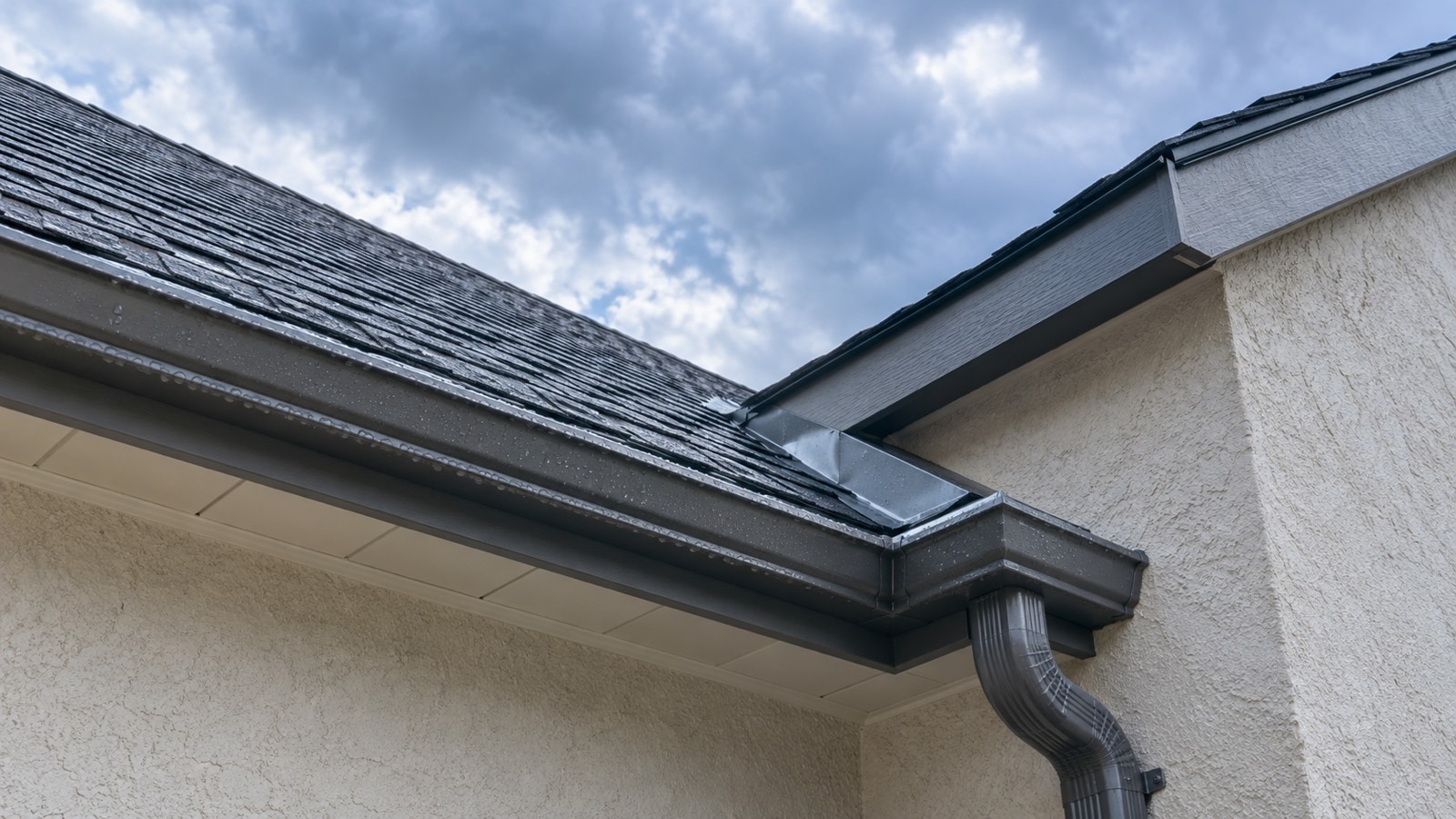
Walk around the property if access is allowed. Look at the roof from more than one angle. Notice roof planes, valleys, edges, flashing areas, skylights, vents, chimneys, gutters, and transitions between materials. Watch for pieces that appear shifted, missing, lifted, cracked, patched, or different from the surrounding surface.
Photograph what you notice if photography is permitted. A clear image and a precise location give your inspector or agent something useful to discuss. A label such as damaged roof is too broad. A note such as lifted material above the rear window is specific without claiming a cause.
Follow the water path
A roof does not work by itself. Gutters, drains, scuppers, downspouts, roof edges, and the surfaces below them all affect where water goes.
Start high and trace the visible route down. Look for disconnected sections, staining, debris, corrosion, bent material, patched joints, overflow marks, or water discharging beside a wall or onto a walkway. Notice low areas where water could collect. Do not assume a dry surface proves the system works during rain.
Then compare the outside route with what you can see near the foundation, walls, decks, balconies, and lower roof sections. If drainage is a concern, ask what the available reports cover and whether the right professional should review it. The Bay Area hillside home guide uses the same method for tracing water across a sloped site.
Look inside for related clues
Interior conditions can give you questions about the roof even when the roof surface is difficult to see. Check ceilings, upper walls, window heads, skylight wells, closets, and the areas around chimneys or vents.
Notice staining, bubbling paint, patched drywall, peeling material, damaged trim, unusual odors, or finishes that look newer than the surfaces around them. These clues do not prove an active leak. They may reflect an old repair, condensation, plumbing, exterior openings, or another cause.
Ask what is known. Compare the condition with disclosures and inspection findings. If attic access exists, do not enter unless you have permission and the access is appropriate. A professional may still be unable to reach every area, so the inspection report should tell you what was and was not observed.
Read the limits of every inspection
An inspection report is only as complete as its scope and access. Weather, height, roof pitch, material, stored belongings, locked areas, finished ceilings, insulation, and safety conditions may limit what an inspector can see.
Read the report section that explains the method. Was the roof walked, viewed from the ground, seen from a ladder, checked by camera, or observed another way? Which surfaces and interior areas were inaccessible? Were further evaluations recommended?
A clean summary does not automatically mean every part of the system was visible. It may mean no concern was observed in the areas that could be reached. That distinction matters. Bring unclear language to your agent and the inspector instead of translating it into certainty on your own.
Property type changes the questions
A detached house, townhouse, condo, and multi-unit building can place roof maintenance and decision-making in different hands. Do not assume responsibility from the way the property looks.
For a property with an association or shared structure, review the documents that apply to that home. Ask which roof surfaces serve the unit, who maintains them, what work is recorded, whether projects are planned, and what information supports the answer. Written terms matter more than a casual explanation during a tour.
Also identify additions, enclosed patios, detached garages, bay windows, awnings, or lower roof sections that may not match the main roof. A statement about the main building may not describe every covered area on the property.
Separate maintenance, repair, and replacement
Roof language can make different levels of work sound interchangeable. Cleaning debris, sealing a joint, replacing damaged material, rebuilding a section, and replacing a complete roof are not the same scope.
When records mention work, ask for the location, date, contractor information, permit information when applicable, and any available warranty terms. Then compare that record with the area your inspector reviewed. Do not treat an invoice total as proof that the whole system was addressed.
The same caution applies to estimates. An estimate describes proposed work under stated assumptions. It is not confirmation of the final scope, the condition behind concealed surfaces, or every cost that could appear once work begins. Use qualified advice for the specific property.
Turn findings into decision questions
A roof concern does not automatically mean you should reject a home. It also does not belong in a mental folder called deal with it later.
Put each item into one of three groups. The first group is confirmed information, such as a documented repair or an inspection finding. The second is an unanswered question that needs a record, access, or professional opinion. The third is a possible future project that needs a realistic scope and budget before it belongs in your decision.
This structure keeps a visible patch from becoming a diagnosis. It also keeps an attractive interior from making the roof disappear. Use the broader second showing checklist to compare roof questions with the rest of the home.
Use the checklist before emotion takes over
A useful roof review does not ask you to become an inspector. It asks you to notice what is visible, read what is available, understand what could not be checked, and bring the remaining questions to the right people.
Bay Area homes can differ by property type, roof form, additions, shared responsibilities, access, and repair history. Use the same discipline at each home, but do not expect the same answer. The property in front of you should control the questions.
Read how I approach buying a home in the Bay Area, see the local guide for buying in Alameda County, and review my Bay Area buyer process. If you want help organizing the reports and questions for a home you are considering, send me the property and what you already know. We will separate the visible facts from the unanswered risk.