2026-09-12 · 8 min read · Bay Area
How to Check Natural Light Before You Buy a Bay Area Home
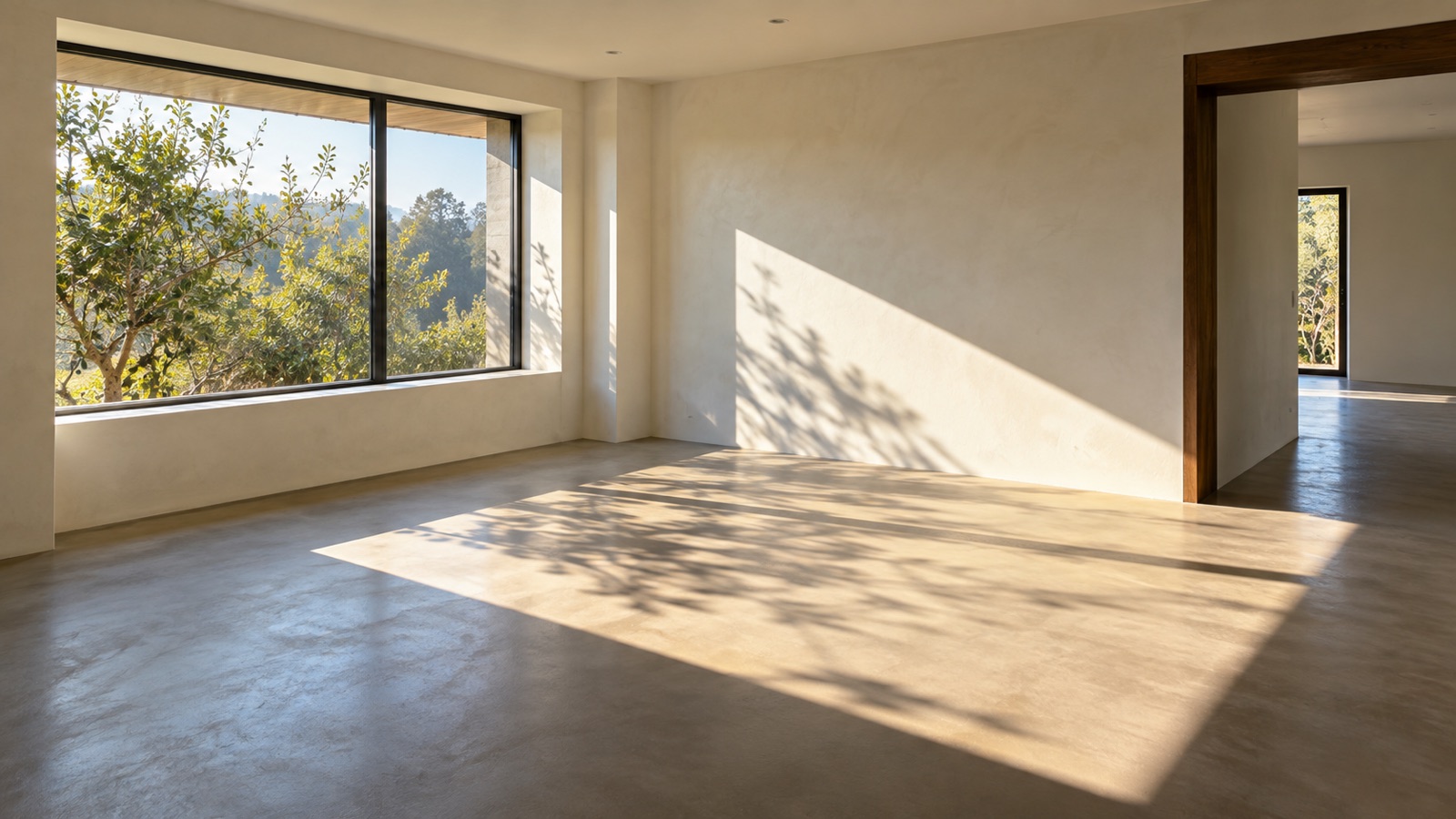
A bright photo is not a daylight test
Natural light can change how you use a home, but a listing gallery gives you a carefully timed moment. The photographer may have opened every shade, turned on every lamp, and photographed the room when the light looked strongest. None of that is wrong. It simply means the photos are marketing, not your test.
When you check natural light before buying a home, separate the feeling of brightness from the facts creating it. Look at the window size, direction, room depth, roof overhangs, nearby walls, trees, and the time of your visit. Then ask what you still have not seen.
At Crypton Realty, I help Bay Area buyers turn a quick impression into specific questions. You do not need a perfect room. You need to know whether the light fits the way you plan to live.
Start with the room you will use the most
Do not begin by counting windows across the whole house. Start with the room that matters most to your routine. That may be the kitchen, a home office, the main living area, or a bedroom. Stand where you would sit or work and look toward the window, then turn away from it.
Notice whether light reaches the useful part of the room or stays close to the glass. A large window can make one wall look bright while the back half of a deep room remains dim. An open doorway may borrow light from the next room, but closing a door can change the result.
The broader second showing checklist uses the same approach. Test the home against your real routine instead of judging the room from the doorway.
Read the window before you read the view
A pleasant view can pull your attention past the window itself. Bring your focus back to the opening. Check how much glass is present, how high the sill sits, how wide the wall opening is, and whether an overhang, balcony, awning, or recessed exterior wall shades it.
Then look outside for fixed obstructions. A neighboring building, retaining wall, roofline, covered walkway, or hillside may block light before it reaches the glass. Trees and other plants can also change the pattern, but vegetation may change in ways a building will not.
Use a compass app if direction matters to you. Direction is a clue, not a verdict. The shape of the opening and what stands in front of it can matter as much as the direction it faces.
Turn off the lights if the showing rules allow it
Electric lighting can hide the difference between a bright room and a well-lit room. Ask whether you may switch off lamps and ceiling fixtures for a short check. Do not unplug equipment or change anything you were not given permission to touch.
With the lights off, look at the corners, work surfaces, stairs, hallways, and the route between rooms. Open interior doors that you are allowed to open. A room may feel bright near the window while the route through the home depends on electric light.
Also notice the finishes. Pale paint, mirrors, glossy counters, and staged furniture can bounce light around. Dark floors or cabinets may absorb more of it. Finishes can change. Window openings, room depth, and neighboring structures are harder to change.
Look for glare, heat, and privacy tradeoffs
More direct light is not automatically better. Stand where a television, desk, dining table, or bed could go. Check whether the window puts strong glare into the spot you would actually use. Notice whether shades are already closed in a room that looked bright in the listing photos.
Put your hand near the glass without touching a hot surface. Look for strong bands of sunlight on floors, cabinets, or fabrics. These observations do not diagnose energy performance. They tell you where to ask about window coverings, comfort, and the way the room is used during brighter hours.
Light and privacy also meet at the window. My guide to checking privacy during a home tour can help you decide whether keeping a room bright would require leaving an important window exposed.
One visit shows one moment
A morning visit does not show the afternoon, and a clear day does not show every season. The sun's position changes through the day and across the year. Trees may carry leaves at one time and lose them at another. A nearby structure keeps its basic position.
If access is available, visit again at a different time. If another visit is not possible, ask whether the seller has photos of the same rooms at other times. Review any window, shade, skylight, or addition records that are provided. Do not treat missing photos as proof of a problem. Treat them as information you do not have.
Bay Area buyers comparing homes in San Francisco and San Mateo County may see very different building relationships from one property to another. Judge the actual opening and obstruction, not the city name.
Check rooms that listing photos skip
Listing photos usually favor the strongest spaces. Your daily life also uses the hallway, laundry area, bathrooms, stairs, closets, entry, and garage. Walk those areas slowly. Notice which ones have windows, skylights, borrowed light, or no natural light at all.
Pay close attention to a home office or lower-level room if you expect to spend long hours there. Ask what use is allowed and what records support that use. Natural light does not answer permit, safety, or room-use questions.
Compare the light check with the noise check. The quietest room and the brightest room may not be the same room. Your decision should reflect which tradeoff matters more for the way you will use the space.
Separate the fixable parts from the fixed ones
Some lighting problems can be improved with lamps, bulbs, lighter finishes, different shades, or a new furniture layout. Those choices can change how a room feels. They do not change the window direction, a deep floor plan, a covered balcony above, or the building next door.
Make two notes for each important room. Write what you could change without altering the structure. Then write what would stay the same unless you completed a larger project and received any approvals that project requires.
This is the same discipline I use in the guide to buying a Bay Area home. Cosmetic dislikes belong in a different category from features that shape the way the property works.
Make the light question part of the decision
Before you leave, take one photo from the same standing point in each important room if photography is allowed. Add the visit time, window direction, nearby obstruction, lights-on impression, and lights-off impression to your notes. Use the same short format at every home so the comparison stays useful.
Do not score the whole property with one word such as bright or dark. A bright kitchen and dim office may work for one buyer and fail another. A shaded living room may feel calm to you, while someone else would trade another feature for stronger daylight.
My buyer process is built around making those tradeoffs visible before emotion takes over. If natural light is high on your list, send me the homes you are considering. I will help you plan what to check without pretending one set of listing photos answered the question.