2026-09-19 · 8 min read · Bay Area
Attic Checklist for Bay Area Home Buyers
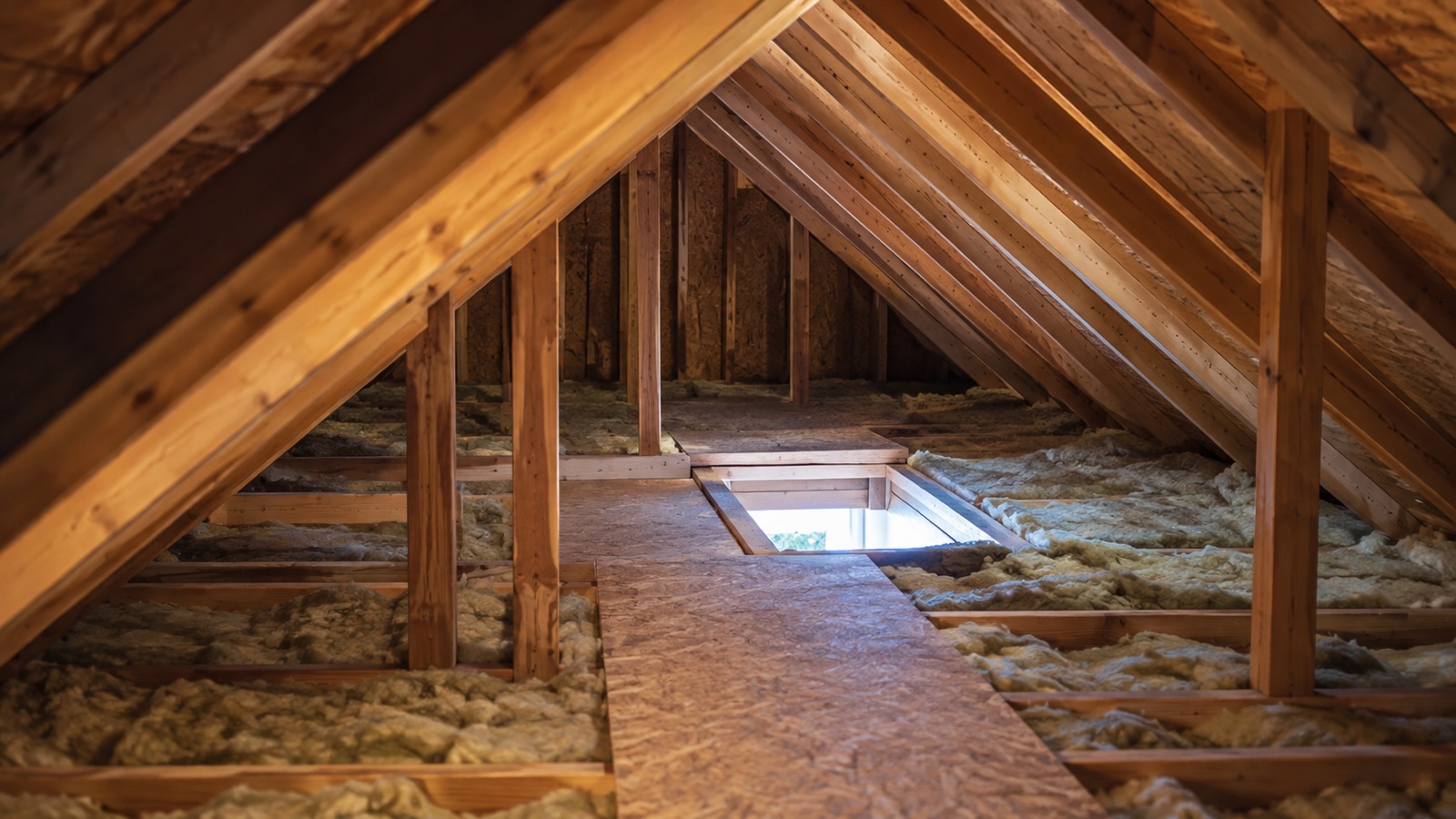
A ceiling hatch can hide an information gap
An attic is easy to ignore during a home tour. The access may be above a closet, in a hallway ceiling, inside a garage, or behind a small door. You may see the hatch and assume the inspection will handle everything later.
This attic checklist for Bay Area home buyers helps you identify what can be seen, what access allows, and which questions still need a qualified answer. You are not trying to inspect the attic yourself. You are trying to understand the information you have and the gaps you still need to close.
At Crypton Realty, I want buyers to treat limited access as a fact, not as proof that something is wrong or fine. A clean room below the attic does not answer what is happening above it. The hatch is the start of the question.
Start with access, not assumptions
First, find the attic access and ask whether it can be opened. Do not pull down a ladder, move stored belongings, climb into the space, or remove a panel without permission. Some openings are difficult to reach. Others may not provide a stable route for entry.
Notice the location and the path to it. A hatch above shelving, a narrow closet, a high ceiling, or a room filled with belongings may limit what anyone can review that day. Write down the exact limit instead of treating attic inaccessible as a complete answer.
If you are returning to the property, add the attic access to your second showing checklist. Ask in advance what access will be available and whether the appropriate professional can review it safely.
Read how the inspection was done
An inspection summary can sound reassuring while the detailed section describes a limited view. Read the method. Did the inspector enter the attic, look from the opening, use a camera, or stop because the area was unsafe or blocked?
Then read what was not visible. Insulation, finished surfaces, stored items, low clearance, equipment, or the shape of the roof may hide parts of the space. A note that no concern was observed is not the same as a statement that every area was reached.
Bring unclear wording back to the inspector. Ask what was seen, what could not be seen, and whether another professional was recommended. Use the same approach when you read the disclosure package. Scope matters as much as the conclusion.
Look for moisture clues without naming the cause
If the attic can be viewed safely, notice staining, darkened wood, damp-looking insulation, rust, peeling material, patched areas, or a strong musty odor. Also look at the ceilings and upper walls in the rooms below for discoloration or repaired finishes.
These clues do not prove an active roof leak. Moisture may relate to an old event, condensation, plumbing, an exterior opening, or another source. A dry day can also make an active problem less obvious.
Record the location and appearance in plain language. Write dark staining near the roof opening instead of roof leak. Then compare the note with the roof checklist for Bay Area buyers, disclosures, repair records, and inspection findings. Let a qualified professional identify the cause.
Insulation and airflow need context
Insulation can look neat, uneven, compressed, moved, or incomplete. None of those observations tells you the full performance of the home. The material type, depth, placement, coverage, ventilation, air leaks, and work around it all need context.
Do not touch or move insulation. It may hide wiring, framing, openings, damage, or materials that need careful handling. Disturbing it can also erase useful evidence about where water or pests may have traveled.
Ask what the inspector could observe and whether the report identifies limitations. If comfort or energy use is important to your decision, ask the right professional what information is needed for this specific home. A broad statement about newer or older insulation is not enough.
Framing and repairs are questions, not a diagnosis
Exposed framing may show original construction, later repairs, supports, openings, fasteners, or changes made for equipment. A buyer can notice differences, but appearance alone does not tell you whether the work is adequate or permitted.
Look for boards that differ from the surrounding wood, fresh patches, cut or drilled framing, added supports, sagging surfaces, or areas that are hidden behind finishes. Do not climb across joists or test any material.
If something looks changed, ask what records exist. A permit, invoice, plan, disclosure, or prior inspection may explain part of the history. Missing paperwork does not automatically prove bad work. It means the question is still open and may need review by the appropriate building professional or local records office.
Trace visible systems without touching them
Attics may contain ducts, vents, wiring, plumbing, fans, equipment, or connections serving other parts of the home. Notice what is present and where it runs. Do not move covers, step over wiring, operate equipment, or follow a line into an unsafe area.
Look for disconnected parts, crushed or damaged-looking material, staining below a pipe, loose supports, patched openings, or a route that disappears behind insulation. These are locations for an inspector to review, not conclusions for a buyer to make.
Ask whether every visible system was within the inspection scope. Some components may need a specialist, and some may remain concealed. The goal is to connect the attic findings with the rest of the home instead of treating the space as a separate box.
Odor, pests, and stored items can limit the review
A strong odor, nests, damaged insulation, droppings, gnawing, insect activity, or traps may raise pest questions. Do not handle anything or assume you know which pest caused it. Ask what the inspector observed and whether a pest professional should review the area.
Stored boxes and personal property can block framing, wiring, insulation, and the floor below. A crowded attic is not proof of a problem. It is a clear access limit.
Ask whether the seller plans to remove stored items and whether another look will be possible. If you take photos with permission, keep them focused on the property condition. Do not photograph private documents, labels, or personal belongings that are not relevant to the home.
Do not assume the attic is usable space
An open attic can look like future storage, a mechanical area, or even a possible room. Treat that idea as a plan to verify, not as value you already own.
A narrow walkway does not mean the whole floor can carry stored items. Headroom does not prove the area can become living space. Access, structure, insulation, ventilation, fire separation, utilities, permits, and local rules can all affect what is possible.
Describe your goal clearly. If you want storage, ask what areas can support it and what access is practical. If you are considering a conversion, get property-specific advice and review local records before you budget around it. The listing description and a visual impression cannot answer that question.
Turn attic notes into a home decision
Sort your attic notes into confirmed facts, access limits, open questions, and possible future work. Confirmed facts come from what was visible, the records, or a qualified professional. Access limits tell you where the review stopped. Open questions need a document, better access, or another opinion.
Keep the attic in proportion to the whole property. One stain does not automatically make the home wrong. A neat attic does not erase missing records or blocked areas. Both reactions replace information with emotion.
Use the same attic checklist for Bay Area home buyers at every property. Read how I approach buying a home in the Bay Area, review the local guide for buying in Alameda County, and see my Bay Area buyer process. If you want help organizing the reports and questions for a home you are considering, send me the property and what you already know. We will separate the facts from the gaps before you decide.