2026-09-07 · 7 min read · Bay Area
What to Notice About Privacy During a Bay Area Home Tour
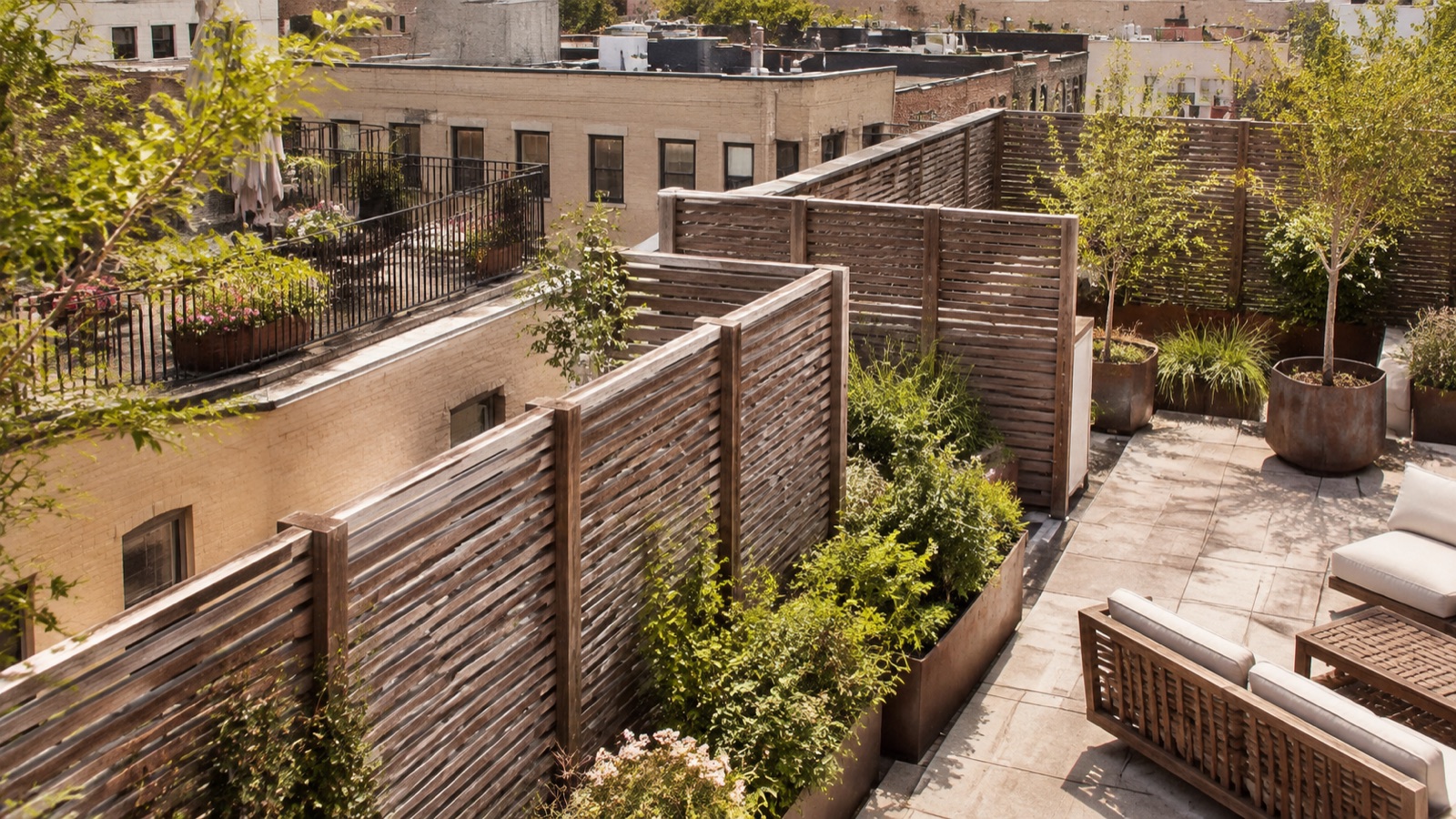
Privacy is more than closed curtains
A staged home can feel private because the curtains are drawn, the patio is empty, and nobody is using the shared walkway. That is a presentation. It is not a privacy test.
Privacy during a home tour comes from several parts of the property working together. Window placement matters. So do elevation, distance from neighboring spaces, the route people use to approach the home, and the places where you would spend time outside.
At Crypton Realty, I want buyers to notice those relationships before the room arrangement or view makes the decision for them. The physical conditions are observable. You can inspect them without guessing about nearby residents.
Start the privacy check from the public approach
Begin before you enter. Use the public sidewalk, driveway, lobby, exterior corridor, or other permitted approach and look toward the home as a visitor would. Which windows face that route? Can someone standing there see directly into a living area, bedroom, work area, or patio?
Notice where deliveries would arrive and where residents or guests pass on the way to another unit. A front window facing a quiet walkway creates a different relationship from a front window beside a shared entrance. Neither one is automatically wrong. The question is whether the exposure matches how you want to use the room. Stay within public or authorized areas.
Stand where you would live, not where the furniture points
Furniture can guide you toward the most flattering angle. Walk away from that angle. Stand where a desk, dining table, bed, or reading chair would make sense for your routine, then look toward every window and glass door.
Check the view in both directions. What can you see from the room, and what could someone see from the space outside? A window may frame trees from the doorway but line up directly with another window when you stand at the desk. A patio door may feel screened while you are seated and exposed when you stand.
This is a useful addition to a focused second showing. Photos tell you what the camera saw. Your job inside the home is to test the sightlines the camera did not show.
Elevation changes the answer
Do not assume an upper floor is private or a ground floor is exposed. Elevation can protect one view and open another.
From an upper room, look across courtyards, roofs, balconies, decks, and windows. A neighboring space that disappears from the ground may sit directly across from the second floor. On a ground floor, landscaping, fences, walls, grade changes, and the distance to a walkway may create useful separation. Check from the places where you would sit and stand.
Outdoor space needs its own test
A yard, balcony, deck, or courtyard can look private in a tight listing photo. During the tour, look at every edge and every level.
Check neighboring windows above the fence line. Look for balconies, exterior stairs, shared paths, common doors, and upper rooms that face the outdoor area. Notice whether plants provide real screening or only seasonal softness. Test the space while seated and standing instead of judging the whole area from the doorway.
Condos and townhomes add shared routes
Attached homes add shared routes. Hallways, elevators, garages, gates, stairs, roof decks, courtyards, and service areas can bring activity past a window or door.
Walk the authorized route from the unit to the parking area and street. Notice which doors and windows face common space. Check whether the main entry opens directly into a busy shared area or into a smaller landing. Look at where an outdoor area sits in relation to building access.
Available property and association documents may explain which areas are private, exclusive-use, or common, and may contain rules about exterior changes. The documents differ by property. Use the disclosure review process to turn what you saw into precise questions instead of assuming every building works the same way.
Separate a screening problem from a layout problem
Some privacy concerns may have practical options. Window coverings, interior furniture placement, or permitted landscaping can change how a space feels. Other conditions are built into the property. You cannot move a neighboring balcony, raise the floor, rotate the living room, or relocate a shared corridor.
Make two columns in your notes. Put possible screening or furnishing changes in one. Put fixed sightlines, access routes, elevation, and window placement in the other. Then ask what each possible change would cost, whether it is allowed, and whether you would still like the room after making it.
Remember what changes after dark
Stand inside during the showing and identify windows that face nearby homes, paths, balconies, streets, or common areas. Ask how those windows would feel when the room is lit and the view outside is dark. Decide whether window coverings would become part of your daily routine.
If this issue could change your decision, return to the surrounding public area at an appropriate time when practical. Observe the setting without trespassing or watching occupied homes. The goal is to confirm the physical relationship, not to track anyone's routine.
Verify what you are allowed to change
A plan only counts if you can carry it out. Before you rely on a taller fence, exterior screen, new hedge, privacy film, awning, or balcony alteration, find out what approvals and restrictions may apply.
Review the documents available for the property. If there is an association, check the applicable rules and ask how exterior modifications are handled. Local requirements, shared ownership, easements, existing agreements, and the physical site can also affect what is possible. Get the right professional guidance when the answer matters to your decision.
The broader guide to buying a home in the Bay Area uses the same discipline. Identify the concern, find the evidence, and decide whether the remaining uncertainty fits your risk tolerance.
Compare the tradeoff with real alternatives
A privacy concern means little without context. Compare the home with properties you can realistically choose in the same search, not with an imaginary home that has every advantage.
One property may have stronger interior privacy and less outdoor separation. Another may have a sheltered patio but windows facing a shared route. The right answer depends on which spaces matter to you and what you are willing to manage every day.
Local housing patterns also change the options you are comparing. A condo, a townhouse, and a detached home in an Alameda County home search can offer very different combinations of access, outdoor space, elevation, and sightlines. Compare like with like before you decide a tradeoff is unusual or unacceptable.
End the home tour with a privacy decision
Write down what you observed before the next property replaces the details in your memory. Note the room or outdoor area, the sightline, the source of exposure, and whether the condition appears fixed or potentially manageable.
Then name the unanswered questions. Which changes require approval? Which boundary or use needs confirmation? Which concern needs another visit or a qualified professional? Which one is simply a personal tradeoff that only you can judge?
My Bay Area buyer process is built around making those decisions before an offer becomes emotional. If you are comparing homes and privacy could change the answer, send me the property and the sightlines you are worried about. I will help you sort what can be checked from what you would have to accept.