2026-09-10 · 8 min read · Bay Area
Parking at a Bay Area Home: What to Check Before You Buy
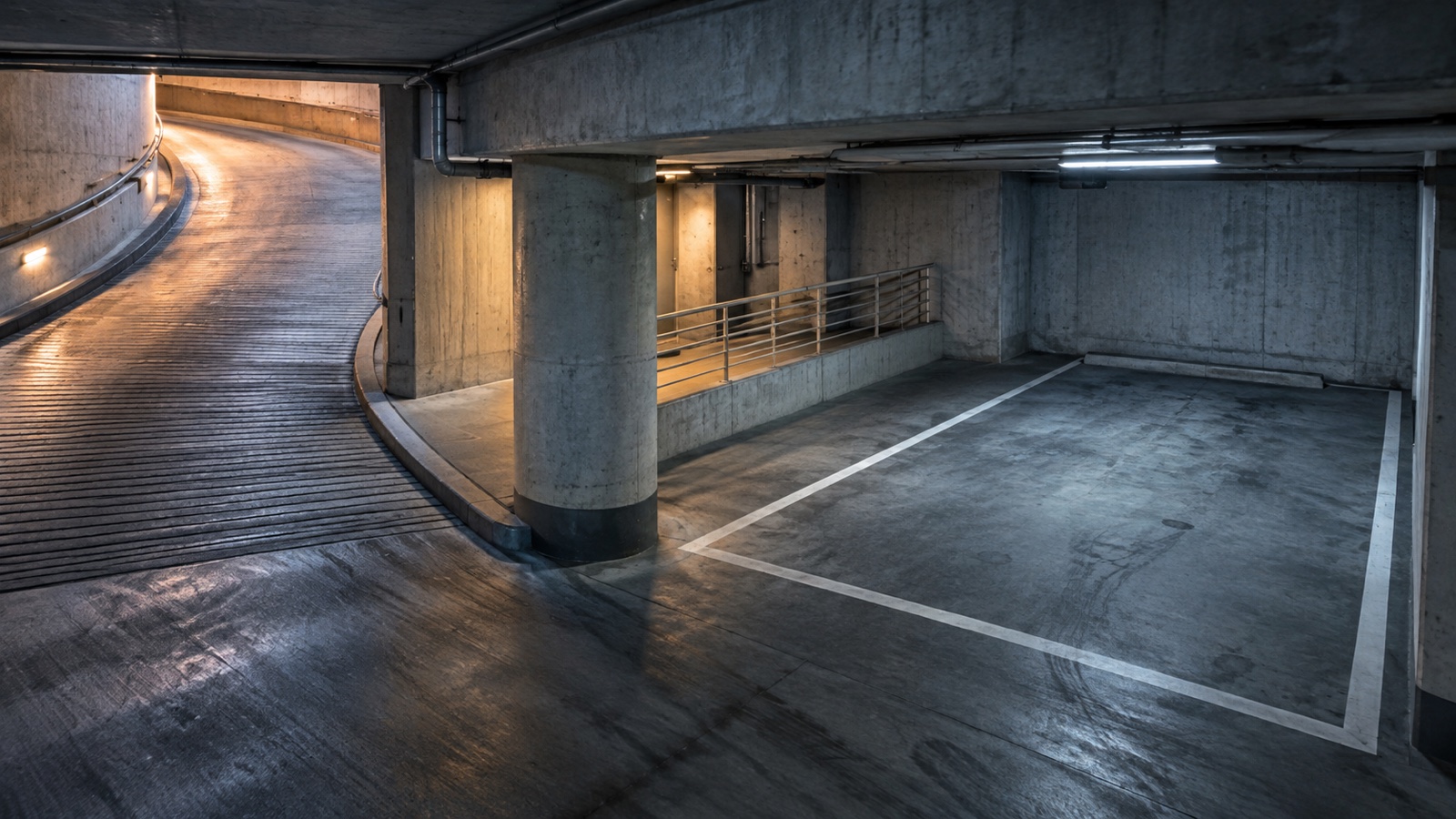
A parking label is not a parking answer
A listing may say garage, driveway, carport, assigned parking, or one space. That label does not tell you whether your vehicle fits, whether you can reach the space without a difficult turn, or what right to use the space comes with the property.
Parking also affects more than the moment you arrive home. Think about carrying groceries, charging a vehicle, opening doors beside a wall, moving bicycles, receiving visitors, and getting out when another vehicle is present. A space can exist on paper and still create friction every day.
At Crypton Realty, I want buyers to check the full parking routine before an offer becomes emotional. This guide explains how to check parking before buying a Bay Area home without treating one line in the listing as proof.
Walk the full route from the street
Start where the vehicle starts. Follow the route from the public street to the place where it would stop. Look at the driveway entrance, curb transition, slope, turns, gates, ramps, columns, walls, overhead clearance, and any area shared with another vehicle.
Do not judge the route from the parked position alone. A space may look generous once a car is centered inside it, but the approach may require a turn that is hard to make. A wide garage door may lead to a narrower interior. A clear driveway may change when another permitted space is occupied.
Use only public and authorized areas, and ask before operating any gate or garage equipment. Add this route check to a focused second showing so you can compare what you saw with the rest of the property.
Measure the usable space
Your vehicle needs usable width, length, and height. So do the doors, mirrors, liftgate, charging cable, and the person getting in or out. The wall-to-wall measurement is not always the usable measurement.
Notice cabinets, water heaters, laundry equipment, stairs, posts, pipes, door tracks, storage platforms, and equipment that reduces the clear area. Check whether the garage door closes with the vehicle in the position you would use. Look at the space left for walking around it.
Bring your vehicle dimensions and a tape measure if the seller and access conditions allow it. Record the narrowest point, not only the largest part of the space. If an exact fit matters, do not rely on a listing photo or an estimate made from the doorway.
Test the movement, not only the fit
A vehicle fitting inside the lines is one question. Getting it there is another. Stand at the tightest turn and look at the angle required. Notice whether a wall, post, landscaping edge, parked vehicle, or garage equipment changes the path.
If a physical parking test is permitted, use the vehicle you expect to park there and move slowly. Check the approach, the turn, the stopping point, the door opening, and the exit. Do not assume a smaller car used for a showing proves that your vehicle works.
If you cannot test it, name the uncertainty. Take measurements where allowed. Compare them with your vehicle. Ask for available plans or parking information. A confident guess is not better than an honest unanswered question.
Find out what the parking right means
Physical access does not tell you the legal or ownership arrangement. A parking area might be part of the property, assigned for use, shared, covered by an agreement, controlled by an association, or subject to another arrangement. The correct answer depends on the property and its documents.
Ask what exactly is included and where that answer is documented. Compare the listing description with the available title, deed, association material, maps, disclosures, or other property records provided for review. If the wording is unclear, get the appropriate professional guidance before relying on it.
My guide to reading a disclosure package uses the same method. Start with the decision you need to make, then find the document that can support the answer.
Attached homes need a building-level check
For a condo or townhome, inspect more than the individual stall. Follow the route through the gate, garage, elevator, stairs, hallway, storage area, and building exit. Notice how you would move groceries, a bicycle, luggage, or other daily items from the space to the home.
Look at whether the space is beside a wall, column, mechanical area, walkway, or neighboring stall. Check where the garage door, gate, and pedestrian access sit in relation to it. If there is storage near the space, confirm what belongs to the unit instead of assuming proximity means ownership.
Association documents may address parking assignments, guest access, storage, charging equipment, maintenance, and changes to common areas. The contents differ by property. Read what is available and turn each missing answer into a specific question.
Check the routine outside the property
A garage or assigned space may solve your regular parking and still leave questions about a second vehicle, visitors, service appointments, deliveries, or temporary access. Walk the surrounding public area at a time that resembles your routine when it is practical.
Read posted restrictions where you are allowed to park. Notice driveway cuts, loading areas, curb access, street cleaning notices, permit information, and physical conditions without assuming the rules stay the same from one block to another. Verify current requirements with the responsible local source when they affect your decision.
Stay focused on the property and the public setting. Do not make judgments about who parks nearby. The same Fair Housing discipline used in a home-tour privacy check applies here too.
Separate fixable friction from fixed limits
Some parking problems may have practical options. A removable storage rack, a different cabinet layout, or a change in how you use the space could help if the work is permitted. Other conditions are fixed. You cannot casually move a structural column, widen a shared ramp, change a deeded boundary, or create more curb.
Put each concern into one of three groups. The first is a condition you can verify now. The second is a possible change that needs cost and approval information. The third is a fixed tradeoff you would need to accept.
This keeps a small inconvenience from becoming automatic rejection. It also keeps an attractive home from persuading you that a daily problem will somehow disappear after closing.
Compare parking with real alternatives
A parking tradeoff only makes sense in context. Compare the property with homes you can realistically choose in the same search. One option may have an easier garage and less interior space. Another may have a second space but a longer route from parking to the front door.
Write down what matters before you compare. Maybe you need room for one larger vehicle. Maybe you care more about secure bicycle storage, a short path to the unit, or an answer about charging. Your priorities should come from daily life, not from a generic checklist.
Housing types and access arrangements vary across the Bay Area. Compare similar options, including choices in an Alameda County home search, before deciding whether one parking setup is acceptable for you.
Turn the parking check into a decision
Finish with a short record. Note the route, the narrow points, the usable dimensions, the ownership or use description, and the documents that support it. List anything you could not test or verify.
Then decide what the uncertainty means. Does it call for another visit, a document question, a contractor, an association answer, a title professional, or another qualified advisor? Does the parking arrangement still work if your routine changes?
The broader guide to buying a Bay Area home and my buyer process both start with the same principle. You should understand the tradeoff before you price the home emotionally. If parking could change your decision, send me the property and the setup you need. I will help you build the right questions before you move forward.