2026-09-23 · 8 min read · Bay Area
Bay Area Fireplace Checklist for Home Buyers
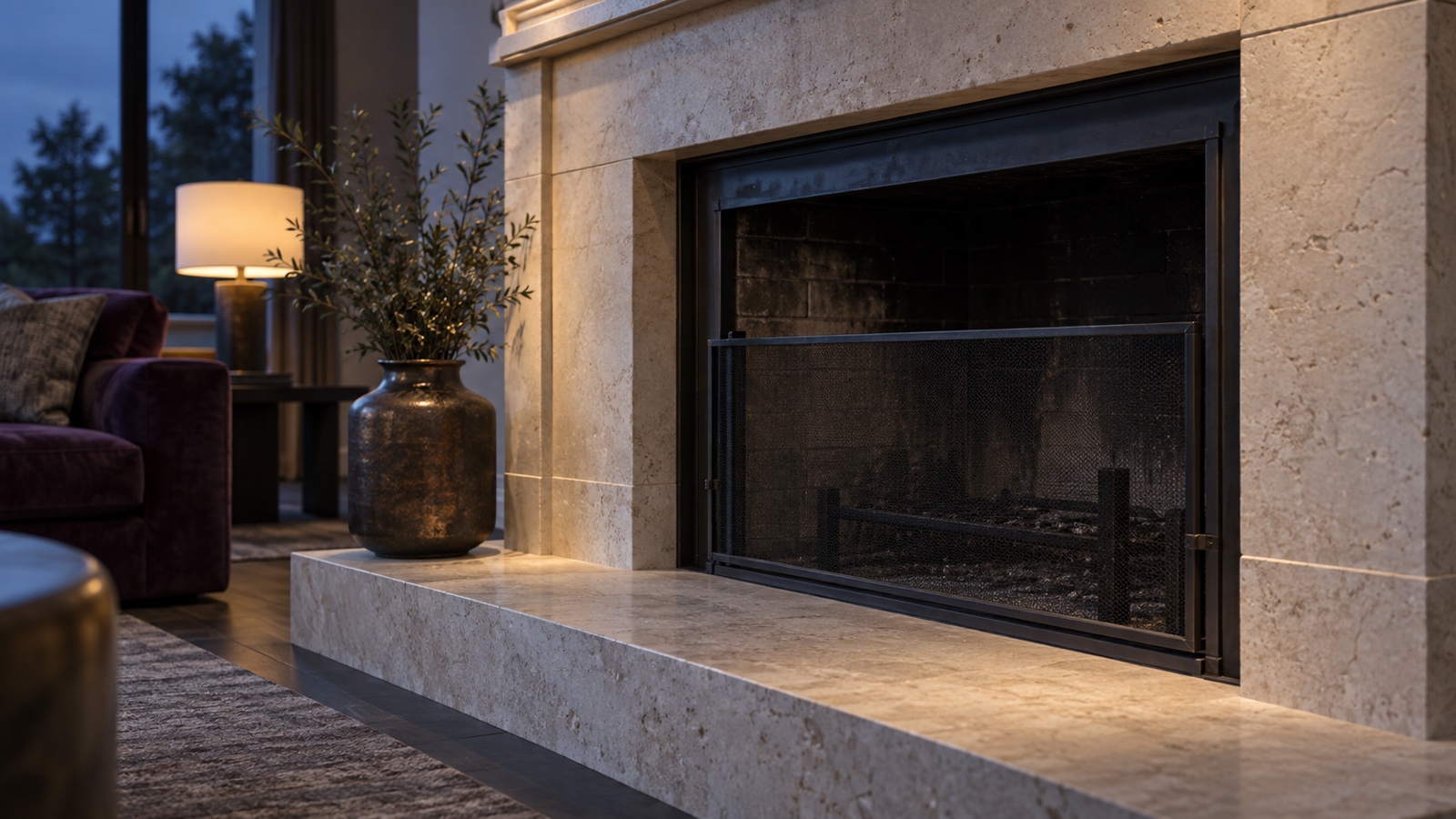
A fireplace deserves more than one glance
A fireplace can dominate a room, but the listing label tells you very little about how it works or what condition it is in. Wood-burning, gas, electric, freestanding, insert, and decorative installations are different. A polished surround does not answer questions about the firebox, venting, fuel connection, chimney, or service history.
This Bay Area fireplace checklist for home buyers helps you separate what you can observe from what needs records or a qualified evaluation. You are not trying to test or diagnose the system during a tour. You are building a precise list of questions before the feature becomes part of your decision.
At Crypton Realty, I want buyers to look past the focal point. The useful question is not whether the fireplace looks good in the room. It is what the property information and the right professional can confirm about it.
Start by identifying what is actually installed
Do not assume the equipment type from the front view. A masonry opening may contain an insert. A firebox may use gas logs. A freestanding unit may connect to a vent that is partly hidden. An electric feature may be built into a surround that resembles a traditional fireplace.
Ask what the seller, inspection reports, permits, manuals, invoices, or service records identify. Notice the visible fuel source, controls, doors, screens, vents, and access panels without opening or operating anything unless you have clear permission.
Use exact language in your notes. Write gas insert with wall control if that is what the information confirms. If the type is unclear, write fireplace type not confirmed. An honest open question is more useful than a confident guess.
Look at the firebox, hearth, and surround separately
The firebox is the chamber where combustion occurs. The hearth is the surface in front of or beneath it. The surround is the visible finish around the opening. Treat them as separate parts because a fresh surround can sit around older equipment.
From a normal viewing position, note cracked or missing material, gaps, loose pieces, staining, rust, damaged doors, a screen that does not sit correctly, or a hearth edge that shifts under ordinary use. Do not scrape residue, pull at material, remove a panel, or reach into the firebox.
These observations do not establish the cause or the repair. They give an inspector or appropriate fireplace professional a location to evaluate. A note such as gap at the lower right corner of the firebox is better than fireplace looks unsafe.
Read the wall and ceiling around the feature
Step back and look above and beside the fireplace. Notice discoloration, patched finishes, cracked surfaces, peeling paint, damaged trim, or a ceiling mark near the chimney path. Look at the floor where the hearth meets the room and at nearby built-ins or wall openings.
A mark may have more than one possible source. It may relate to use, age, moisture, prior work, an unrelated repair, or something else. Do not name the cause from appearance alone.
Match the location to the available inspection and property records. My guide to reading a disclosure package can help you turn a visual clue into a document question without treating the clue as proof.
Follow the chimney or vent path with your eyes
A fireplace is not only the part inside the room. Look for the visible route above it, the exterior chimney or vent termination, and the places where that route meets walls, ceilings, or the roof. Access may be limited, and you should stay in areas authorized for the showing.
From the ground or another permitted viewpoint, note visible leaning, missing pieces, heavy staining, vegetation contact, damaged caps, gaps, or patched areas. Do not climb onto a roof or use a ladder during a tour. The roof checklist for buyers explains how to record roofline questions without pretending a ground view is an inspection.
If the chimney or vent cannot be seen, record the access limit. Hidden does not mean fine or damaged. It means the question still needs an answer.
Do not use a showing as a test run
Do not light a fire, open a gas valve, press an ignition control, move a freestanding appliance, or change a damper position without explicit authorization and an appropriate person present. A feature that appears simple may have operating steps, service requirements, or an unresolved condition you cannot see.
If the seller demonstrates the unit, observe without turning that brief operation into a full condition conclusion. A flame or heating element starting once does not answer questions about venting, clearances, service history, or performance under normal use.
Ask what was operated, by whom, and what the demonstration established. Keep an observed operation separate from a professional inspection.
Ask for records that match the exact equipment
Useful records may include permits, installation documents, manuals, model information, invoices, cleaning or service records, repair notes, inspection reports, and warranty information. The documents available will differ by property.
Match each record to the equipment you see. A receipt for chimney cleaning does not necessarily describe a gas insert. A manual confirms intended operation, but it does not prove the current installation follows it. A permit record may describe work without telling you the present condition.
Look for dates, contractor names, scope descriptions, and the part of the property covered. If the records refer to equipment that is no longer there, ask what changed.
Treat fuel, ventilation, and air quality as professional questions
Combustion, gas connections, electrical components, venting, and indoor air quality are not areas for a buyer to diagnose. If you notice soot, an unusual odor, corrosion, damaged controls, or a venting question, step back and ask who is qualified to evaluate it.
Do not use smell alone to decide whether equipment is sound. Do not cover or dismiss an odor with fragrance. If you ever notice a strong gas odor, smoke where it should not be, or another immediate hazard, leave the area and seek appropriate emergency guidance.
For an ordinary buyer review, the next step is calmer. Write down the location and condition you observed, compare it with the reports, and ask whether the general inspector recommends a specialist.
Check how the fireplace affects the room
Condition is only part of the decision. Look at the hearth projection, furniture clearance, walking route, nearby doors, television location, floor transition, and usable wall space. A fireplace can anchor a room while also limiting how that room can be arranged.
Think about the way you would use the space without changing the property during the tour. Would the main seating block a doorway? Does the hearth edge sit in a traffic path? Is the feature important to you, or would you prefer the wall space?
Bring these questions to a focused second showing. A feature does not need to be defective to be a poor fit for the way you want the room to work.
Separate repair scope from future plans
You may be willing to keep the fireplace, service it, change its appearance, convert it, or stop using it. Those choices involve different scopes. Do not price them from one photo or a general online estimate.
Start with the confirmed installation and condition. Then ask the appropriate contractor what work is possible, what approvals or permits may apply, and what parts of the wall, chimney, roof, utilities, or finishes the work would affect. For a condominium or planned community, review the governing documents before assuming an exterior vent or chimney can be changed.
Keep a desired remodel separate from a condition item. You may dislike the tile even if the equipment is serviceable. You may like the design even if the system needs further evaluation.
Turn the fireplace notes into a clear decision
Sort your notes into confirmed facts, visible observations, access limits, missing records, and items that need a qualified opinion. Then decide whether each answer could change your interest in the home, your budget, or your plan for the room.
Do not let a clean surround erase unanswered questions about the equipment behind it. Do not let one stain become a diagnosis. The goal is enough information to make a decision without inventing certainty.
Use this Bay Area fireplace checklist for home buyers with my guide to buying a home in the Bay Area, the local page for buying in Alameda County, and my Bay Area buyer process. If you want help organizing the reports and questions for a property you are considering, send me the documents you have received. We will separate the focal point from the facts before you decide.