2026-09-22 · 8 min read · Bay Area
Flooring Checklist for Bay Area Home Buyers
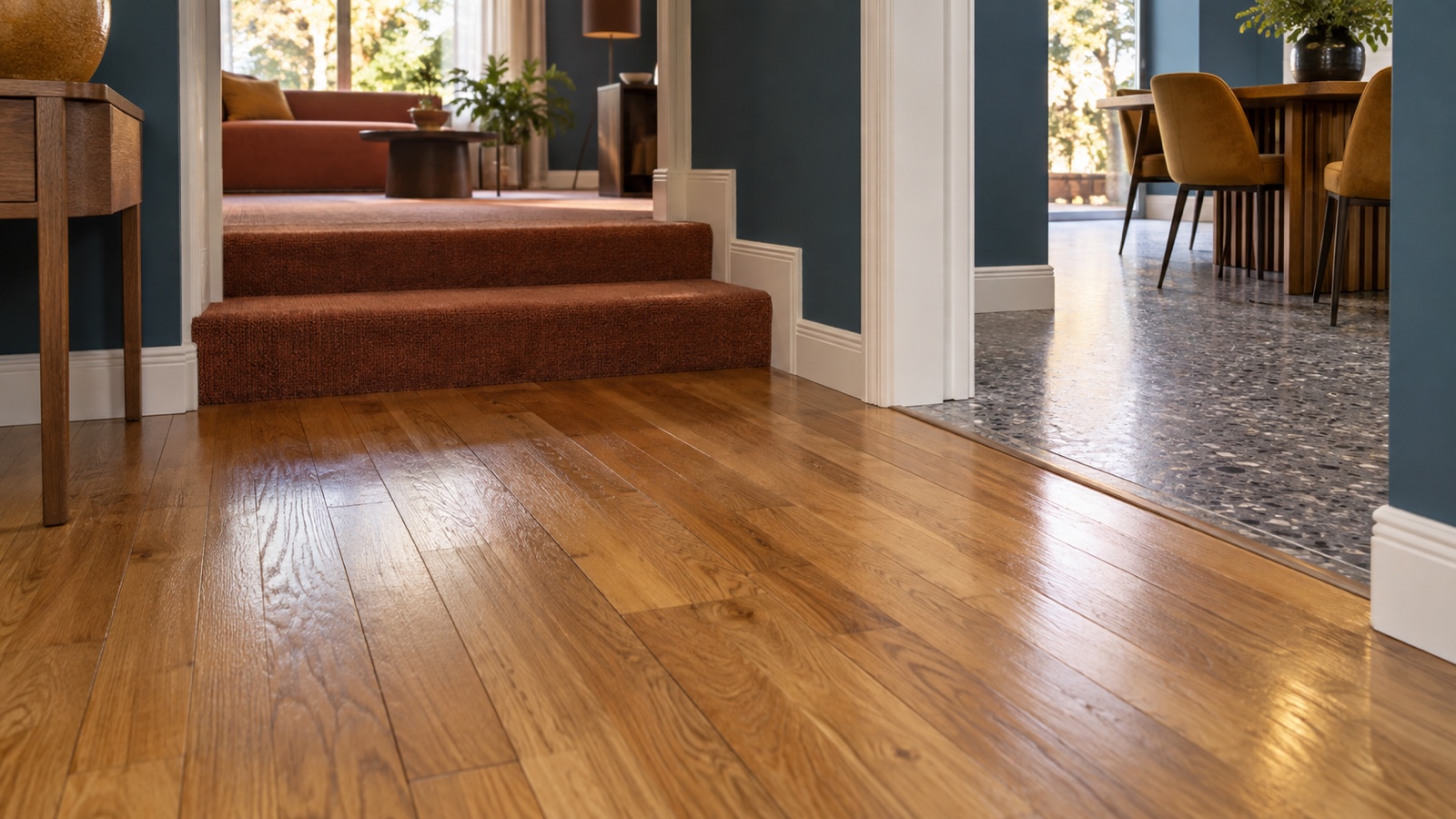
Flooring can change the whole decision
A floor is easy to reduce to color and material during a fast tour. The useful questions are more practical. Does the surface feel stable under normal walking? Where do materials change? What is hidden by rugs or furniture? Is the concern cosmetic, or does it need a qualified opinion?
This flooring checklist for Bay Area home buyers helps you review what you can see, what you can test with permission, and what still needs records or professional evaluation. You are not trying to diagnose the property yourself. You are trying to make a better list of questions.
At Crypton Realty, I want buyers to separate an unattractive finish from an unclear condition. Those are different problems. They deserve different decisions.
Walk every route at a normal pace
Start at the entrance you would use every day. Walk toward the kitchen, bedrooms, bathrooms, laundry area, garage access, and outdoor doors. Use a normal pace. Do not stomp, bounce, or try to force a reaction from the floor.
Notice changes under your feet. A surface may feel firm in one area and different near a doorway, appliance, exterior opening, or plumbing wall. Write down the exact location and what you felt. A note that says soft area beside the dishwasher is more useful than bad kitchen floor.
Add those locations to your second showing checklist. The goal is to give the inspector or appropriate flooring professional a precise place to review, not a conclusion to defend.
Identify the material without guessing
Wood, engineered wood, laminate, vinyl, linoleum, tile, stone, concrete, cork, and carpet can look different in photos than they do in person. A printed surface may resemble wood. A refinished area may not match the rest of the room. A carpet may cover another material.
Describe what is visible and ask what the seller or records identify. Do not pull up carpet, lift a threshold, remove a floor vent, scrape a finish, or pry at a loose edge. Those actions can damage the property and still may not answer the question.
If material matters to your plans, ask whether invoices, product information, permits, warranties, or contractor records exist. Let a qualified person identify anything that remains unclear.
Separate surface wear from movement
Scratches, fading, dents, chipped tile, worn carpet, discolored grout, and finish changes are visible surface conditions. A dip, raised edge, loose section, movement underfoot, repeated cracking, or a transition that shifts raises a different kind of question.
Neither category tells you the cause or the repair. A scratched wood floor may be a finish issue. A cracked tile may relate to impact, installation, movement below, or another condition. A sloped feeling may come from the flooring, the structure, or the way the room is framed.
Use plain descriptions. Do not call a floor structurally unsound, water damaged, or incorrectly installed from a tour. Ask what the inspection covered and whether another professional should evaluate the location.
Read transitions, edges, and changes in level
Look where one material meets another. Check doorways, hallway turns, stairs, fireplace edges, built-ins, sliding doors, and the boundary between an addition and the original space. Notice loose trim, raised transitions, sharp edges, gaps, uneven heights, or pieces that do not meet cleanly.
Then think about use. A small height change can matter when you move furniture, carry laundry, use a rolling chair, or walk through the home in low light. A transition may also affect how one future replacement connects to the next room.
Do not assume every mismatch is a defect. Some transitions are intentional. Record what you see and ask whether the inspection or available records explain it.
Treat stains and swelling as clues
Review floors near sinks, toilets, tubs, showers, refrigerators, dishwashers, laundry equipment, water heaters, windows, exterior doors, planters, and attached garages. Note staining, swelling, cupping, bubbling, damaged baseboards, changed grout color, patched sections, or an unusual odor.
These clues do not prove an active leak. They also do not prove that an older problem was fully corrected. Water can reach flooring from plumbing, appliances, exterior openings, condensation, cleaning, spills, pets, or an event described in the property records.
Do not press on damaged material, move an appliance, or name the source yourself. Compare the location with the disclosure package and inspection findings. Ask what was repaired, what documentation exists, and what remains accessible for review.
Listen to the floor and the rooms around it
Walk quietly and notice squeaks, clicks, hollow sounds, loose material, or noise that changes from one section to another. A sound is an observation, not a diagnosis. It may come from the finish floor, the layer below it, the framing, fasteners, nearby equipment, or ordinary movement.
In a condominium or another shared building, also listen for sound that travels through floors and ceilings. One quiet showing cannot tell you how the building sounds under every condition. Keep the flooring question separate from assumptions about neighbors or neighborhood character.
If sound matters to your daily life, return to the surrounding public area at another appropriate time when possible. Ask what the property documents say about flooring requirements, underlayment, and owner responsibilities.
Look past rugs, furniture, and bright light
Rugs, beds, sofas, cabinets, storage, and staging can limit what you can see. Strong sunlight can make scratches obvious in one direction and hide them from another. Dim rooms can conceal color changes or uneven repairs.
Change your viewing angle. Look across the surface from the doorway, then from the opposite side of the room. Use ordinary room lighting and daylight when available. The guide to checking natural light can help you separate the room's light from the condition of the floor.
Do not move heavy furniture or roll back a rug without permission. Record the blocked area as an access limit. An unseen section is unknown. It is not automatically fine or damaged.
Match records to rooms and replacement scope
Ask what was installed, where it was installed, who completed the work, and whether supporting records exist. The phrase new flooring may describe one room, one level, a surface layer, or a larger project. Read the document instead of extending the claim.
Match product names, dates, invoices, permits when applicable, warranties, and repair notes to specific locations. A warranty may have limits or transfer rules. An invoice may describe material without explaining the condition below it.
For a condominium or planned community, read the governing documents before assuming you can change a floor. Approval, sound-control specifications, installation rules, and responsibility may depend on the property and the documents you receive.
Price the question before you price the project
A quick online cost per square foot does not tell you the scope for this home. Removal, disposal, preparation below the finish, stairs, transitions, trim, furniture, occupied rooms, product choice, access, approvals, and matching adjacent areas can change the work.
Start by defining the question. Are you accepting visible wear, repairing one area, replacing one room, or trying to create continuity across the home? Does the concern involve only the finish, or does a professional need to evaluate what is below it?
Then ask the appropriate contractor or flooring professional for property-specific guidance. Keep any budget as an estimate until the scope, material, access, and approvals are clear.
Turn the flooring notes into a buying decision
Sort your notes into confirmed facts, access limits, open questions, and items that need a qualified opinion. Keep taste in its own category. A color you dislike is not the same as a loose tile, an unexplained stain, or a floor area nobody could inspect.
Then decide whether the answer could change your interest, budget, or plan for the home. Do not let one scratch become a reason to reject the property. Do not let fresh finishes erase questions about movement, moisture clues, transitions, or unclear records.
Use this flooring checklist for Bay Area home buyers with my guide to buying a home in the Bay Area, the local page for buying in Alameda County, and my Bay Area buyer process. If you want help organizing the reports and questions for a home you are considering, send me the property and the documents you have received. We will separate visible wear from unanswered condition questions before you decide.