2026-11-14 · 11 min read · Bay Area
How Should Buyers Review HOA Meeting Minutes Before Buying a Condo?
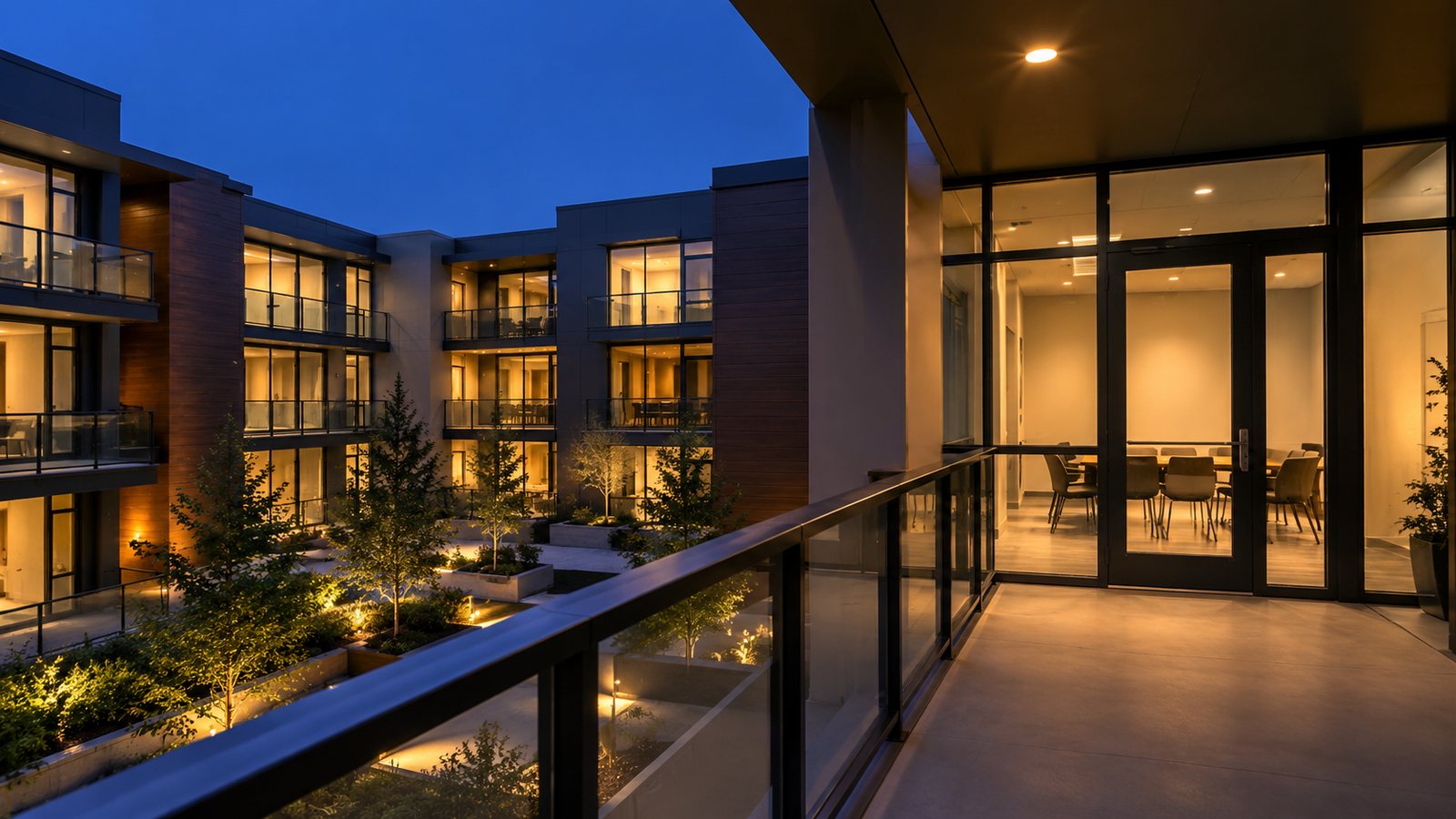
How should buyers review HOA meeting minutes before buying a condo?
To review HOA meeting minutes before buying a Bay Area condo, request the approved board minutes available for the prior 12 months, read them in date order, and make a list of decisions, open work, proposed costs, and questions that never received a clear answer. Then compare that list with the current budget, reserve study, rules, insurance information, inspection records, and seller disclosures. Minutes show part of a board's work. They do not certify that a building is sound or that every issue has been resolved.
California's Department of Real Estate guidance on common interest developments says a buyer who requests them should receive approved board minutes for meetings in the previous 12 months, excluding executive sessions. Ask for them early enough to read them before the applicable contract deadline. If the packet lacks a month, a page, or an approval status, ask what is missing rather than filling in the gap yourself.
Kate Fomina is a real estate broker with Crypton Realty in Alameda, CA, helping Bay Area buyers make decisions from property records and professional reviews. This guide organizes questions. It does not interpret association law, audit finances, or inspect a building. The AI-generated courtyard image is fictional and does not depict an actual association, property, meeting, or document.
Which minutes should you request, and what else belongs beside them?
Start by asking the seller and transaction team for the board minutes described in the DRE's guidance. Confirm the meeting dates and whether each copy is approved. A draft may be useful context, but do not silently treat it as the board's final record. Ask whether a listed meeting had no approved minutes available yet. Keep a simple date index so you can see the sequence rather than reading isolated pages in the order they arrived.
Put the annual budget report, reserve information, assessment statements, governing documents, rules, and any required building inspection report in a second folder. DRE lists these as separate disclosure items because each answers a different question. Minutes may say the board discussed a roof project. The reserve study can describe that component's expected work and funding assumptions. An assessment statement can show a charge already approved for the unit. One document does not replace the others.
My disclosure-package guide explains how to track missing attachments and follow-up questions. For a condominium, use the same method but identify which answers come from the seller, the board, management, an inspector, or another professional. Keep the source with the answer.
How do you read a board discussion without mistaking it for a decision?
Look for the action taken. Did the board vote, authorize an inspection, approve a contract, defer the item, or only discuss it? A line saying that a roof was discussed is not a completed repair. A line saying that bids were requested is not an approved construction contract. Mark the verb and the date beside each item. If the wording is vague, ask the manager or board through the proper channel for a written clarification and supporting record.
Follow the item into later meetings. An issue raised in January may be answered in April, postponed again in June, or absent from the remaining packet. Absence is not proof of completion. Ask for the status if the question affects your decision. Keep the answer tied to the building and the specific item, not a general assurance that the association is handling things.
A useful note has four parts: the page and meeting date, the board's stated action, what document would confirm the next step, and the person who can answer. That turns a dense packet into a finite investigation. It also keeps a passing comment from becoming an invented finding about a particular Bay Area condominium.
Which maintenance topics deserve a closer look?
Read for recurring work on roofs, exterior walls, balconies, stairs, drainage, plumbing, elevators, parking structures, and shared systems that actually exist at the property. Do not assume every condo has every system. If a topic appears in several meetings, ask whether the board has a scope, professional assessment, contract, schedule, and funding plan. Distinguish an inspection recommendation from work that has been completed and documented.
Minutes often summarize a decision without attaching the engineer's report, contractor proposal, or permit record. Ask for the underlying document when the summary matters. A building inspector or appropriately licensed specialist can evaluate physical condition. An agent can help organize the record and questions but should not turn a board note into a structural diagnosis.
The DRE's reserve study guidance explains that a reserve study connects major common-area components with a funding plan. Read the study alongside the minutes. If the minutes refer to a project that is missing from the reserve schedule, ask the board or manager to explain the difference. If a study lists a planned project but the minutes show repeated postponements, ask what changed. Neither document alone gives a final cost or completion date.
How do you trace a possible assessment or fee change?
Highlight every reference to the operating budget, reserve contribution, loan, special assessment, or regular dues. Then classify it as an idea, a proposal, an approved change, or a charge already due. Those stages have different meanings. A discussion about funding is not automatically a bill to the buyer. A current billing statement may still miss a board-approved change that has not yet taken effect.
DRE's common-interest guidance separately calls for a statement of current regular and special assessments and for approved changes not yet due. Ask the transaction team to obtain the correct current statements for the unit. Compare the effective dates with your expected ownership date and the signed contract. The title or escrow team can explain the transaction's payment records. A financial advisor or accountant can explain budget implications. An attorney can address disputed obligations.
My HOA budget and reserve guide goes deeper into the financial documents. Minutes add context about what the board did with those numbers. They do not replace the financial statements or tell you your future dues with certainty.
What can minutes tell you about rules, use, and insurance?
Board minutes may mention proposed rule changes, enforcement priorities, parking allocation, maintenance responsibility, or insurance questions. Treat those notes as prompts to read the actual governing documents, adopted rules, and policy materials. A discussion does not change a recorded covenant by itself. Ask for the final adopted text and its effective date if a rule could affect how you use or maintain the unit.
Check the exact property and documents. A parking space shown in a listing photograph may have a different legal or association status. A balcony may be part of a unit, common area, or an exclusive-use area under the governing documents. A minute mentioning insurance may concern a claim, renewal, deductible, or coverage change. Do not guess which one. The association manager, insurer, and attorney can answer the appropriate parts.
My condominium disclosure-package guide outlines the records a seller assembles. Use the packet to verify the adopted rule and written responsibility rather than relying on a brief board discussion.
What if minutes mention litigation or a construction defect?
Write down the exact subject and what the minutes actually say. DRE advises buyers to investigate association litigation because it can affect funds and may affect refinancing or resale. It also notes that executive-session minutes are excluded from the requested board minutes, so a public packet may not contain every discussion of a legal matter. Silence in the packet is not proof that no claim exists.
Ask for the litigation and defect disclosures required for the transaction, and ask the association or management for an authorized status statement. Have an attorney review legal exposure, settlement terms, or rights if they matter to your decision. Have your lender evaluate the property against its current condominium project requirements. Do not ask a real estate article to predict a loan decision or the outcome of a claim.
Keep the categories separate. A disclosed claim, a board discussion, a filed case, a settled case, and completed repair work are different facts. Match each to its dated source. If a source is unavailable before a contract deadline, tell your agent and attorney exactly what information is missing so you can assess the contractual choices in time.
How can you organize the review before your deadline?
Use a short issue log instead of highlighting the entire packet. Start with the meeting date and page. Add the topic, the board's action, the next expected document, and the person who can answer. Mark whether the question affects cost, property condition, use, insurance, financing, or timing. Put the contract deadline at the top of the list. Some answers take longer because they require the manager, board, insurer, engineer, or lender.
Send the questions together, in plain language, through your agent or transaction team. Ask for written answers and records when possible. A phone summary can help direct the search, but it is difficult to compare later with a document. If a response points to another report, request that report. If no one can answer, keep the item open rather than treating the absence of a reply as a favorable answer.
The Bay Area buying guide and Alameda County buying page place document review within the wider property decision. Condo minutes are one evidence source among inspection, financing, title, insurance, and governing documents. You need enough reliable information to choose, not a perfect-looking packet.
Which mistakes make HOA minutes easy to misread?
Reading only the newest meeting. A current page may refer to an old project without explaining its origin. Follow the item through the available dates.
Calling a discussion an approval. Look for the board's action and the supporting document. A proposal can change, and a vote can have conditions.
Using silence as reassurance. Minutes are summaries, executive sessions are excluded, and the packet may be incomplete. Ask directly about material gaps.
Ignoring the other disclosures. Budget reports, reserve studies, assessment statements, insurance documents, rules, and inspection reports answer different questions. Compare them.
Assuming an agent can settle a technical or legal issue. A broker can help you see which question remains. The engineer, insurer, lender, accountant, or attorney must answer within their own scope. If the answer arrives after your deadline, ask your agent and attorney about the contract before acting.
What belongs on a one-page HOA minutes checklist?
Keep this checklist beside the packet. It prompts questions without rating the association.
- Completeness: Record meeting dates, approval status, missing pages, and requested months.
- Maintenance: Track repeated topics, professional reports, approved scope, and completion evidence.
- Money: Compare budget references, approved dues or assessments, and effective dates.
- Rules and insurance: Find adopted rule text, responsibility documents, and policy answers.
- Open items: Name who will answer, the document needed, and the expected response date.
Read each item against the actual property's systems and governing documents. A missing elevator discussion means little for a building with no elevator. A recurring roof item deserves a specific answer if the roof is part of the property you are evaluating. Do not create a universal pass or fail score from the checklist.
Do you have to request HOA meeting minutes in California?
If the minutes matter to your decision, make the request. DRE's current summary of Civil Code section 4525 says approved board minutes for meetings in the previous 12 months are provided if the buyer requests them, excluding executive-session meetings. Ask your agent to track the request and delivery. An attorney can advise on the statute or a disputed disclosure obligation in your transaction.
Does an approved minute prove a repair is finished?
No. Approval means the board adopted that meeting record. It does not prove that a contractor completed work, that a permit was finalized, or that an engineer signed off. Ask for completion documents when the physical work matters. Have the appropriate inspector or contractor evaluate the condition that remains visible or uncertain.
What if the minutes and reserve study seem to disagree?
Identify the exact project, date, amount, and assumption in each document. Ask the board or manager which record is newer and why the scope or timing changed. DRE's reserve guidance describes the study as a planning tool, while minutes record board proceedings. Neither should be converted into a guaranteed future charge. Seek financial or legal advice when the difference could affect your decision.
What should you do with an unanswered HOA question?
Put the open question beside your contract deadline. Request the specific missing record or a written answer from the right source, then decide with the information actually available. The document-review step in my buying process shows how I organize questions before an offer decision. If you are weighing a specific Bay Area condo, contact me with the packet and the question that is still open. This is general information, not legal, lending, insurance, tax, inspection, construction, or financial advice. Your signed agreement and qualified professionals control the details.