2026-10-27 · 9 min read · Bay Area
What Should Sellers Disclose About Previous Water Damage?
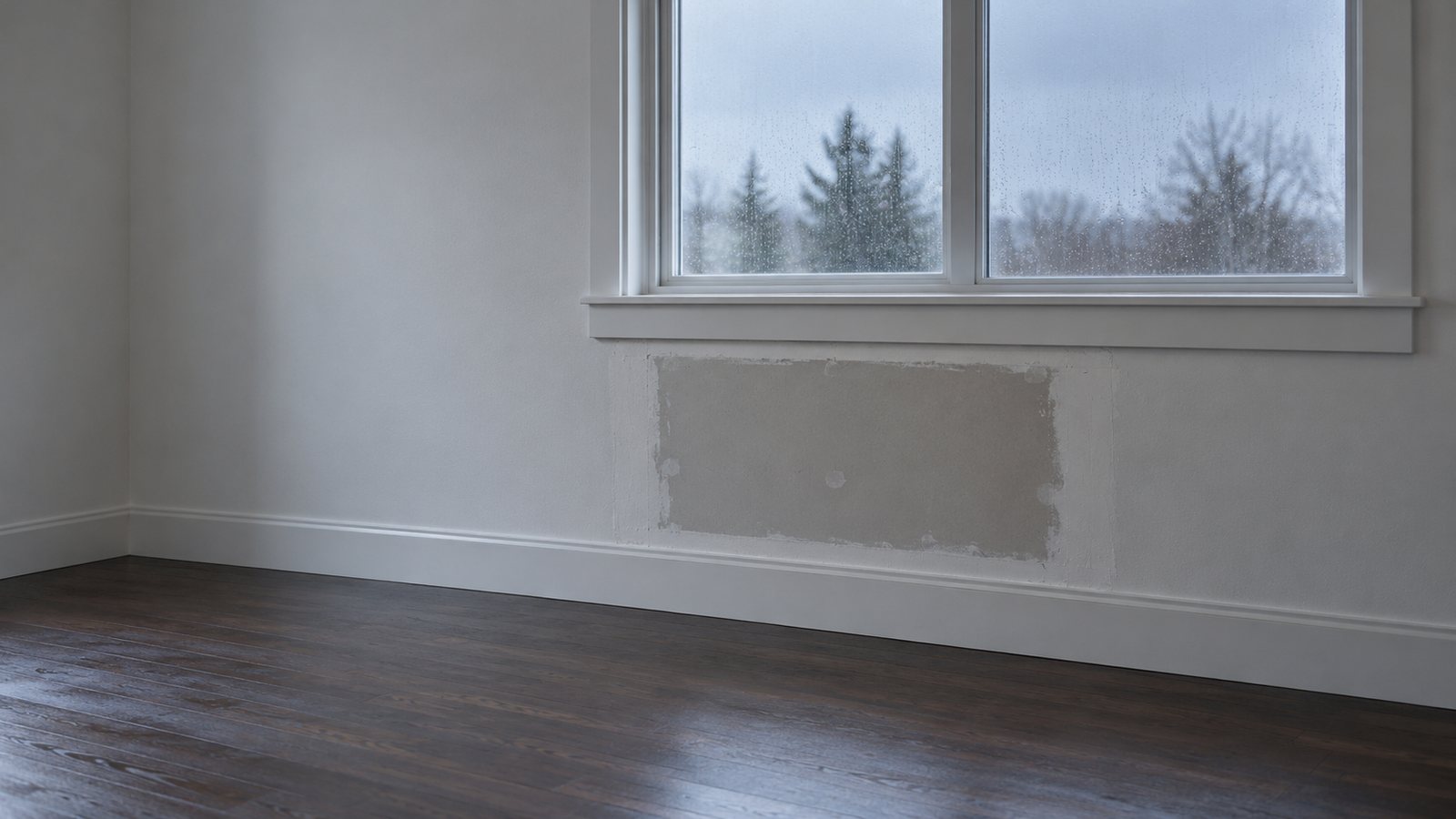
What should a seller disclose about previous water damage?
Describe what you know about the water event, where it occurred, when you noticed it, what caused it if a qualified professional determined the cause, and what was done afterward. Provide relevant reports, invoices, permits, insurance records, and warranties that you have. Distinguish a completed repair from an area you have not tested. If a leak or moisture question remains open, say so and obtain qualified evaluation before making a claim that it is resolved.
I am Kate Fomina, a broker at Crypton Realty in Alameda. I help sellers organize a clear disclosure record. I do not diagnose hidden moisture, certify remediation, decide coverage, or give a legal opinion on the exact disclosure duty. An inspector, contractor, insurer, and California real estate attorney handle those questions in their fields.
The image above is a fictional AI-generated image. It is not a real home, water event, inspection, invoice, repair, or clearance finding.
Does a past repair still belong in the disclosure record?
Do not assume that a repair erases the history. The California Association of Realtors guide to prior reports and repairs advises disclosure of material past problems and repairs even when work has been completed. The California Department of Real Estate disclosures guide shows that California seller disclosures ask about property defects, flooding, drainage, grading, and repairs.
Ask your agent and attorney which forms and attachments apply to this property. Complete them from your actual knowledge rather than copying an old listing description. A seller who did not perform the original work can say what is known, what document supports it, and what remains unknown.
My Bay Area selling guide places disclosures in the broader listing preparation sequence.
How should the history be written?
Use a short factual timeline. Identify the affected room or component, approximate date if exact records are unavailable, observed signs, professional who evaluated the issue, work authorized, completion date, and any later recurrence. If you only know that a prior owner reported a repair, attribute it to that record. Do not turn a belief into a confirmed cause.
For example, 'water staining was observed near the window and a contractor replaced exterior sealant' states an observation and work. It does not prove the wall cavity is dry or that no other source exists. Attach the actual contractor record if available and ask a qualified professional what further evaluation would answer.
Keep this history consistent across the seller questionnaire, agent notes, reports, and any buyer response. A different description in each place creates avoidable confusion.
Which documents should be gathered?
Collect inspection and specialist reports, photos taken before and after work, contractor proposals and paid invoices, permit and final records where applicable, warranty terms, and any insurance claim documents that describe the event. Review each document for address, date, scope, and exclusions. A paid invoice may show that a contractor performed a task, but it does not by itself prove that every affected material was examined.
Ask your attorney and insurer what claim information can be shared and how to protect private account data. Do not edit a report to remove an unfavorable finding. If a document is missing, state that the record is unavailable rather than recreating it from memory as a professional conclusion.
My disclosure-package guide shows how a buyer may read these records. Giving the original documents helps the buyer evaluate the scope.
What if the visible stain has been painted over?
Fresh paint does not answer whether the source was identified, the materials dried, or damage was repaired. Tell the buyer about the known event and what the paint work covered. Ask a qualified moisture or building professional to evaluate a current concern. Do not describe an area as 'fixed' solely because it looks clean at the showing.
If a repair is planned before listing, define the scope with the contractor, retain its documentation, and update disclosures if the work reveals more. My pre-listing repair guide can help prioritize presentation work, but a water problem needs specialist attention where the cause or extent is uncertain.
Keep marketing photos accurate. Do not use staging or editing to conceal a material condition.
How should a seller handle a roof, window, or plumbing source?
Ask the relevant qualified professional to describe the source it observed and the work it performed. A roof covering repair may not address a window flashing issue. A replaced supply line may not establish that a wall cavity was inspected. Keep the description narrow enough to match the evidence.
If there were multiple events, list them separately. A one-time overflow, recurring seepage, exterior drainage problem, and roof leak are different histories. The DRE disclosures guide treats flooding and drainage questions as part of the property disclosure review. An engineer, roofer, plumber, or other qualified specialist should evaluate technical cause and remaining work.
Do not claim that no future water entry is possible. A professional can report what it observed at a particular time and under its inspection scope.
What if mold or indoor air quality was discussed?
Disclose reports and known findings accurately. Do not use the word 'mold-free' without a qualified basis, and do not guess whether a stain is mold from a photo. Ask an appropriate specialist what was tested, which areas were accessible, the method used, and what the report actually concludes. A limited test is not a statement about every concealed space.
If a contractor performed remediation, provide the scope and completion records. If no post-work evaluation occurred, do not imply a clearance finding. An attorney can advise on the form and timing of a disclosure, while an environmental professional addresses technical questions.
The goal is a record a buyer can read and investigate, not a marketing claim that a complex condition no longer exists.
Does an insurance claim settle the condition question?
No. A claim and payment decision are governed by a policy and adjuster's process. They do not by themselves establish the cause, full physical scope, code status, or future performance of a repair. Keep the claim description, settlement or denial, and contractor work separate in your file.
Ask the insurer what documents it can provide and whether any current coverage question needs attention. A buyer should ask its own insurer about coverage on the property. Do not promise that the buyer will obtain a policy on the same terms or that a past claim will have no effect.
State known facts in the seller disclosure and let the appropriate professionals interpret the insurance and building records.
What if new moisture appears after disclosures are delivered?
Tell your agent promptly, document what you observed, and ask a qualified specialist to evaluate it. Ask your attorney how to update the disclosure and what the signed contract requires. Do not wait until closing or assume the buyer will notice the condition at a final walkthrough. A new observation may change the buyer's questions and the transaction timeline.
If work is performed during escrow, keep the scope, invoice, permit and completion evidence with the updated record. Do not promise a cure before a professional has identified the cause and the parties have agreed on the work.
My selling process page explains the sequence of escrow decisions. A material new fact belongs in that process promptly.
How can the disclosure be clear without speculation?
Answer the form's actual question, provide a concise timeline, attach the records you have, and identify open questions. Use dates and locations where known. If a date is approximate, label it. If a contractor made a finding, cite its report rather than presenting the conclusion as your own technical diagnosis.
Have your agent review for completeness and consistency. Have counsel review a disputed legal question. Avoid minimizing words such as 'just cosmetic' when no specialist has evaluated the source. Also avoid dramatic claims unsupported by an inspection. The buyer needs accurate facts and access to investigate.
My odor-check guide addresses one presentation clue, but a smell or lack of smell cannot establish whether earlier water damage was fully addressed.
What should you do next?
Write the history of each known water event, gather the original reports and repair records, identify unanswered technical questions, and have specialists assess any current concern. Complete the applicable disclosures with your agent and attorney, and update the buyer if a new fact arises. Keep the statements tied to what the evidence actually supports.
Read my Contra Costa County selling page for the wider listing plan. If you want help organizing a disclosure packet, contact me. This is general real estate information, not legal, environmental, construction, insurance, tax, or financial advice.