2026-08-17 · 5 min read · Bay Area
What to Fix Before You List, and What to Leave Alone
The real question under this one
When a seller asks me what they should fix, they are almost never asking about the work. They are asking whether they are about to waste money.
Fair thing to worry about. Prep money goes out before any money comes in, and nobody hands you a receipt at the end showing what it earned back.
There is no checklist. Two houses on the same street can need completely different work.
Because the work is not really about the house. It is about the gap between how your house shows and what the buyer most likely to want it is comparing it to.
Start with who the buyer is
Everything starts here, and most prep conversations skip it.
A three bedroom near a strong elementary school gets bought by a family who will live there for years. They care about the roof, the schools, the yard, and whether they can move in without starting a project.
The same size house in an area full of first-time buyers is a different sale. That buyer has less cash left after the down payment. They care enormously about not inheriting a problem and much less about finishes.
And a house that is really a remodel candidate gets bought by someone who plans to change it anyway. Money you spend on looks there is money you set on fire.
Naming that buyer first is step one of how I launch a home. You cannot prep a house for a buyer nobody has named.
What is almost always worth doing
A few things earn their money in nearly every sale.
Deep cleaning. Really deep. Windows, grout, inside the cabinets, the garage floor. Cheapest work available and it changes how the whole house reads.
Take out about a third of what is in the rooms. Not staging yet. Just less. Full rooms photograph small and feel smaller in person.
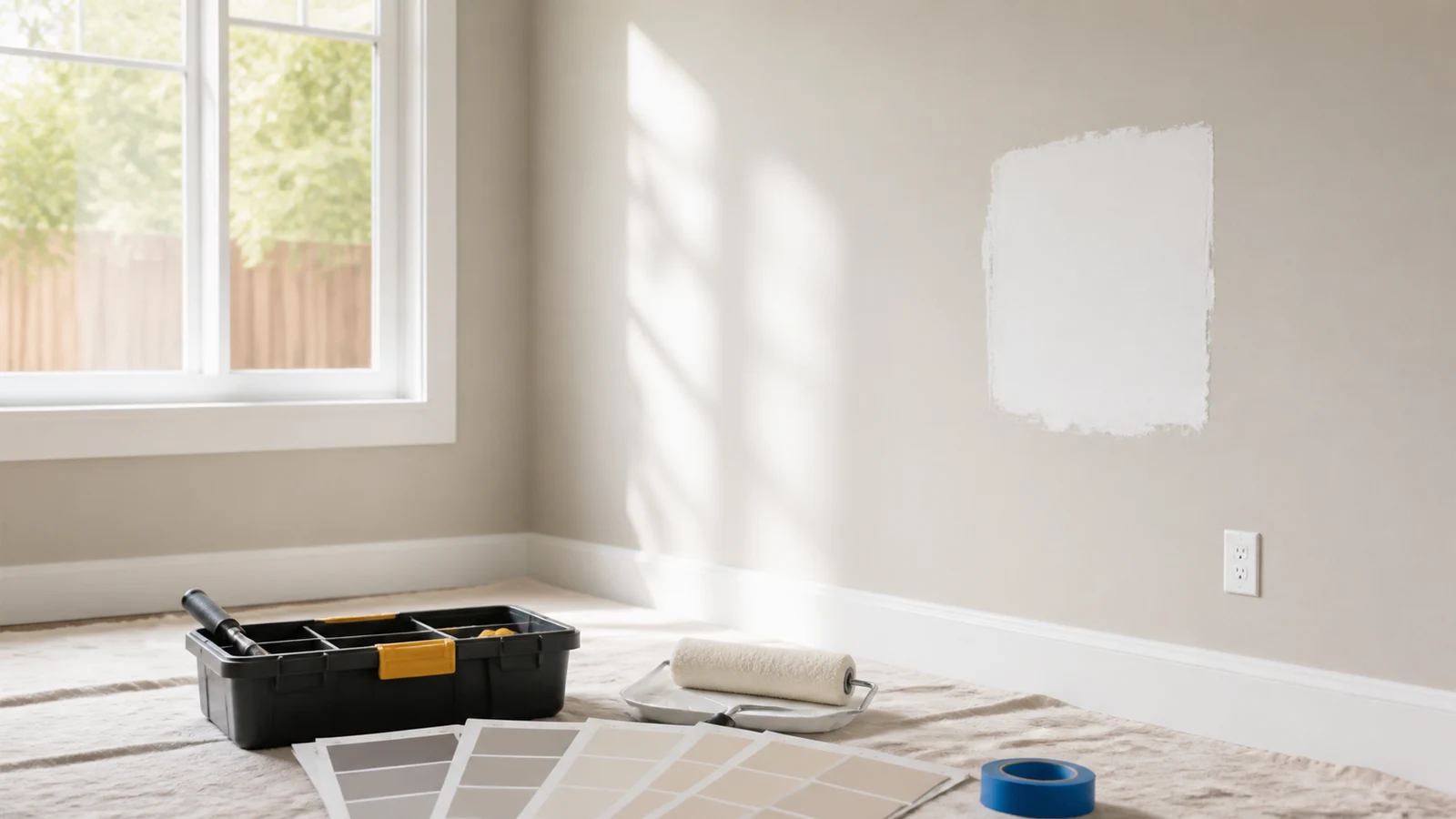
Paint where it is tired, not where it is dated. Scuffed, patched walls read as neglect. A color you would not have picked does not.
Light. Matching bulbs, same warmth, everything working, curtains open. Dark rooms photograph badly and feel worse.
Anything broken that people can see. A running toilet. A door that sticks. A cracked switch plate. Each one is nothing. Together they tell a buyer nobody has been taking care of this house, and that thought follows them into the inspection report.
None of it is exciting. All of it is cheap compared to what it protects.
What I tell people to leave alone
This is the part sellers do not expect to hear from an agent.
A kitchen you would be redoing for somebody else's taste. A full kitchen remodel before a sale rarely returns what it costs, and you will almost certainly pick finishes the buyer would not have. A clean, working, dated kitchen with honest photos does better than you think.
Bathrooms, same reason. Redo the grout, replace the seal, make it spotless. Stop there.
Anything structural that is not actually failing and you are not required to disclose. Opening up a wall six weeks before listing is how an easy sale turns into a permit problem.
Landscaping past tidy. Trim, edge, mulch, clear. Nobody has ever paid more for a patio poured the month before listing.
This part I don't love telling people, because a plan to fix everything feels better than a plan to fix five things. But the goal is not a perfect house. The goal is the biggest gap between what you spend and what you get back.
Inspect before you list
Here is the move worth more than most remodels. It is not required and plenty of sellers skip it, but it has been a real trend here for about seven years now and I recommend it to almost everybody.
Get the house inspected before it goes on the market. Then hand the report to buyers.
It does three things. You find out what the buyer's inspector is going to find, so nothing lands on you at the worst possible moment. You get to decide calmly which items to fix and which to price in. And you take away the thing buyers are most afraid of, which is not knowing what is wrong with the house.
It also lets you fix the small stuff before it turns into a story. A dripping faucet might need a washer. Costs almost nothing. But a buyer reading their own inspection report sees the word leak and that is it. Flooding, mold, the whole disaster movie. Same faucet, completely different reaction, and now they want five figures off the price.
And if something big does turn up, a foundation crack or a roof at the end of its life, at least you are pricing with that in your hand instead of finding out in week three.
Buyers are not gone. They are selective. What they are avoiding, more than anything, is uncertainty.
How I decide on any one item
When we are standing in a room arguing about one specific thing, I ask three questions.
Does leaving it cost more in buyer confidence than it costs to fix? A stained ceiling from a leak you repaired years ago is a small fix and a big confidence problem.
Would this buyer redo it anyway? If yes, stop.
Can we handle it with information instead of money? Often the answer is a receipt, a permit, or one clear line in the disclosures instead of a contractor.
That third one saves my sellers more money than anything else I do.
And when you are not sure whether to disclose something, disclose it. A buyer has three years after closing to come after you for something you knew and did not say. Better to tell them about the leak you fixed ten years ago than to have them find a patched ceiling in the attic next winter and start wondering what else you left out.
The short version
Clean hard. Clear out. Fix what is broken and visible. Get the light right. Inspect before you list.
Skip the remodel you would be doing on somebody else's behalf.
Then put the money and the effort into the launch, because that is where the return actually is. More on that in how I sell a home.
Want a read on your actual house instead of a general answer? Get in touch and we will walk it together. English or Russian, whichever is easier.
You can also see what your home is worth and how selling works.