2026-11-13 · 11 min read · Bay Area
How Do You Check Plumbing Supply Lines Before Buying a Bay Area Home?
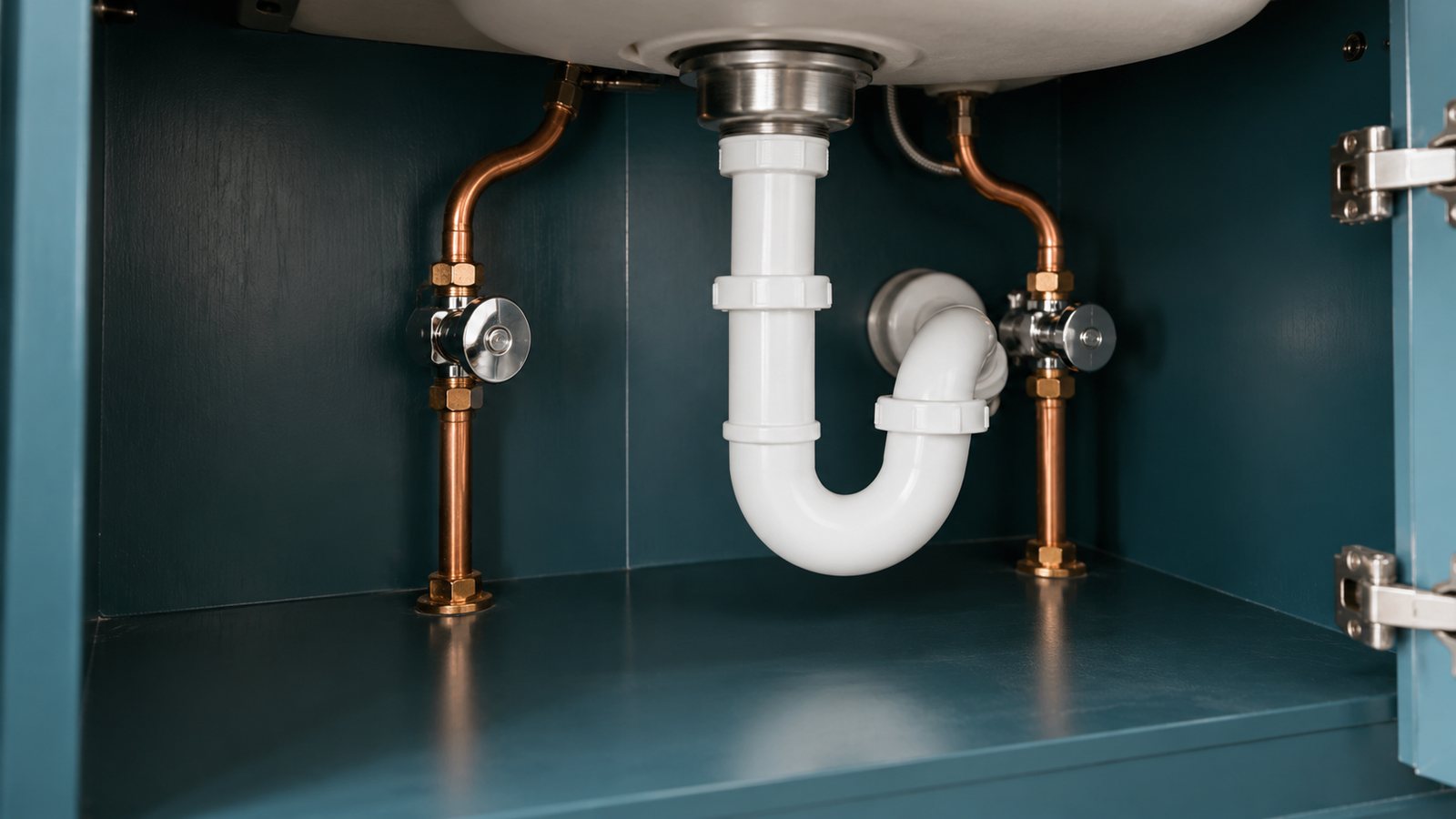
How do you check plumbing supply lines before buying a Bay Area home?
To check plumbing supply lines before buying a Bay Area home, identify the water service line and the pipes inside the house, find the usable shutoff points, read the seller's disclosures and inspection reports, and have a qualified plumber examine concerns that a general inspection cannot settle. Keep the line from the street separate from the drain and sewer system. They do different jobs and can have different repair responsibilities.
The useful question is not, “Does water come out of the tap?” It is, “What is known about the route that delivers that water, and what remains untested?” A faucet can run during a tour while a valve is inaccessible, a section of pipe is hidden, or the service-line material is still unknown. Those gaps need answers before you make a decision under your contract deadlines.
Kate Fomina is a real estate broker with Crypton Realty in Alameda, CA, helping buyers across the Bay Area make property decisions from records and inspections. This guide gives you a way to organize questions. It does not diagnose plumbing or replace a plumber's inspection. The AI-generated image is fictional and does not depict a real Bay Area property or a technical pipe diagram.
Which water lines are you actually reviewing?
Start with a simple map. The water service line brings water from the utility main toward the building. Interior supply piping then carries water to fixtures and appliances. Drain piping carries used water away. A sewer lateral review belongs on a separate list. Do not let an answer about one system stand in for an answer about the other.
Ask the seller or inspector to point out where the water line reaches the building, where the main house shutoff is, and whether there are separate branches for irrigation, an accessory unit, or other equipment. A diagram or labeled photos can help when the route is partly concealed. If nobody can identify a segment, write “unknown” rather than assigning it a material or condition from the home's age.
California's Department of Real Estate buyer guide advises buyers to use professionals to examine plumbing and other systems. That advice matters here. A general home inspector can report visible observations within the inspection's scope. A plumber can investigate the specific supply-line question, explain testing limits, and recommend any further work. Ask each professional what was accessible and what was excluded.
How do you locate and evaluate the shutoff points?
Ask to see the main house shutoff, not just the utility meter. Then locate the smaller valves serving sinks, toilets, a refrigerator line, a washer, and any other relevant fixtures. Record whether each valve is visible and reachable without moving heavy equipment or opening a finished wall. An emergency plan is less useful if nobody can get to the control.
Do not force a valve during a showing to prove it works. An old or damaged valve may leak when operated. Ask for permission and have the appropriate inspector or plumber test it within the agreed inspection scope. Have that person document any valve they did not operate and why. A photo of a handle proves location, not function.
The shutoff for the house may not isolate every line. Irrigation, an accessory unit, or a separate branch can change the map. East Bay Municipal Utility District's house-line test guide notes that irrigation may branch before the house shutoff. That is an East Bay Municipal Utility District example, not a claim about every Bay Area property. Ask the serving utility or plumber how this specific property is arranged.
What can you learn from disclosures and past work?
Read the seller's disclosure and the inspection reports for leaks, repairs, water-pressure complaints, repeated valve work, and inaccessible areas. If a line was replaced, request invoices, permits where applicable, contractor information, and a clear description of the portion replaced. “New plumbing” is too broad to tell you whether the service line, one bathroom branch, or only fixtures were changed.
Compare dates and scope across documents. A receipt can show that a contractor was paid for stated work. It does not certify that every other pipe is sound. An inspection may show what was visible on one date. It does not reveal the condition behind closed surfaces. If descriptions conflict, ask the seller for clarification and have your inspector or plumber assess the property itself. The disclosure-package guide explains how to keep seller statements, reports, and follow-up questions together.
Check whether equipment affects the water route. A filter, softener, recirculation system, or separate irrigation controller may add valves and maintenance points. Ask which items remain with the property under the signed agreement and which instructions transfer at closing. You need a practical map, not an impressive list of equipment names.
How do you check the line between the meter and the house?
Identify the serving water utility first. Ask it where its responsibility ends, whether it has a service-line material record for the address, and what the record does and does not cover. Then ask the plumber to inspect the customer-side line to the extent it can be accessed. Do not assume that a utility record describes all interior piping or that a seller's repair receipt covers the utility side.
For an East Bay Municipal Utility District-served property, the district's meter repair page says it repairs leaks on the meter and its line from the main to the meter, while pipe repairs on the customer side are the customer's responsibility. The district's service-line inventory lets a reader search a specific address and explains district-side and customer-side materials. Those rules and records apply to the district's service area. A home served by another utility needs that utility's own answer.
Look at the physical route as well. Ask where the meter is, whether the route to the building crosses landscaping or hardscape, and where work could require access. A plumber or utility representative can explain repair scope and who performs which part. A title or property-line question belongs with the title company, surveyor, or attorney, not with a visual plumbing guess.
What if the material or drinking-water concern is unknown?
Do not identify pipe material from a listing photo or the age of the building. A visible interior section may differ from a buried service line. The U.S. Environmental Protection Agency says a buyer or owner can ask the water utility or a licensed plumber to help determine whether the service line is made of lead. Its lead service-line questions and answers also point to public inventories. An inventory result should be read with the utility's explanation of its coverage and any unknown classification.
If drinking-water quality is the concern, ask the utility what it knows about the source and service line, and ask a qualified testing provider what sample and method would answer your specific question. Do not substitute water appearance or taste for a material record or a test. EPA's Protect Your Tap guide describes steps for identifying a possible lead service line and finding testing resources. The article cannot determine exposure or health risk for a particular home.
This is also a scope issue. A plumber may identify accessible pipe and explain the next investigation. A water utility speaks for its own records and infrastructure. A laboratory testing provider reports its test result. If any finding needs a health interpretation, take it to the appropriate public-health or medical professional. Keep these answers separate in your notes.
What should the plumber's written scope cover?
Give the plumber the inspection report, the seller's answers, and a short list of unresolved questions. Ask for a written scope before the visit: which areas can be viewed, which valves may be operated, whether pressure or flow will be assessed, and whether any invasive work would need separate permission. The point is to learn what the visit can actually establish.
Ask the plumber to distinguish observations from recommendations. An observation records what the plumber saw in an accessible area. A recommendation proposes work and needs a defined scope. If a bid follows, ask what it includes, what it excludes, and what might change after concealed piping is exposed. A number without boundaries is hard to use in a negotiation or a maintenance budget.
California's Contractors State License Board describes the C-36 plumbing classification and provides a license check. Check the current license status for a contractor you may hire. A general inspection report can guide this request, but it cannot turn an unseen pipe into a verified one. Keep a possible future project distinct from work already required by a signed agreement.
How do you make a decision before your contract deadline?
Put each question in one of three columns: confirmed, unresolved but acceptable to you, or material enough to require more information. Attach the source for each confirmed answer. A seller statement about valve location and a plumber's test record are different levels of evidence. Record them that way.
Then compare the plumbing findings with the signed agreement, your inspection contingency if one applies, and any lender requirements. Ask your real estate agent to track the deadlines and document requests. A repair request, credit proposal, or request for more time is a negotiation, not an automatic right created by a plumber's report. The repair-or-credit article explains the seller-side decision. Your own contract and advisers control your next step.
Kate Fomina's buyer process has an education and investigation step for this reason: identify what the available records answer, then ask the right specialist about the gap. For a home in Alameda County, the Alameda County buying guide gives the broader decision context. The plumbing decision still turns on this property's evidence, not on a countywide assumption.
What mistakes make the plumbing review less useful?
Treating running water as a complete inspection is a mistake. A short faucet test does not identify a buried service-line material, prove that a shutoff works, or expose hidden joints. Write down which of those questions still needs an answer.
Mixing water supply with sewer is another mistake. A clean sewer-camera finding says nothing about the supply pipe. A utility material inventory says nothing about a drain. Give each system its own report and its own decision.
Assuming the utility owns every line is a mistake. Responsibility can change at the meter or another defined point. Confirm the serving utility's rule for the address and ask a professional about the route you can actually see.
Taking a repair quote as a guarantee is a mistake. A quote depends on access and defined work. Ask what happens if concealed conditions differ. Keep the written scope with the report and the seller's documents.
What should be on your one-page supply-line checklist?
Use a short checklist while the inspection window is open. Leave space beside each item for a document, photo, or professional's answer. Unknown is an honest entry.
- Identify the water utility and the location of the meter.
- Locate the main house shutoff and any separate branch shutoffs.
- Ask which valves were operated, by whom, and what happened.
- List visible pipe materials and clearly mark concealed sections as unknown.
- Read the seller's plumbing disclosures and match repair records to the exact work.
- Ask the utility what its service-line record covers for this address.
- Ask the plumber for a written scope, findings, exclusions, and any bounded repair estimate.
- Review your contract deadlines and record what remains unresolved.
If one item changes your decision, address it before the relevant deadline. You can discuss the records with Kate's Bay Area buying guide and ask a qualified plumber to explain the technical finding. Keep each answer in its lane.
Does a working faucet prove the supply pipes are sound?
No. It shows that water reached that fixture during the test. It does not identify a concealed pipe, establish a valve's condition, or rule out a problem elsewhere. Ask the inspector what was tested and let a plumber investigate a specific concern.
Can you test a shutoff valve during a home tour?
Ask for permission and agree on who will operate it. Do not force a stiff or corroded valve yourself. A qualified inspector or plumber can explain whether testing is appropriate and document any valve left untested.
Does a utility service-line result describe the whole house?
No. East Bay Municipal Utility District's inventory concerns service-line material in its area. It does not certify every interior branch, fixture, valve, or concealed connection. Read the result with the district's notes and ask a plumber about the property's other piping.
What is the next useful step?
Bring the disclosures, utility answer, and inspection scope into one conversation before your decision deadline. If you need help organizing the property and contract questions, contact Kate Fomina at Crypton Realty. Ask the plumber or utility to answer technical questions directly. This guide is general information, not legal, health, or plumbing advice for a particular property.