2026-11-25 · 9 min read · Bay Area
How Do You Check EV Charging Before Buying a Bay Area Home?
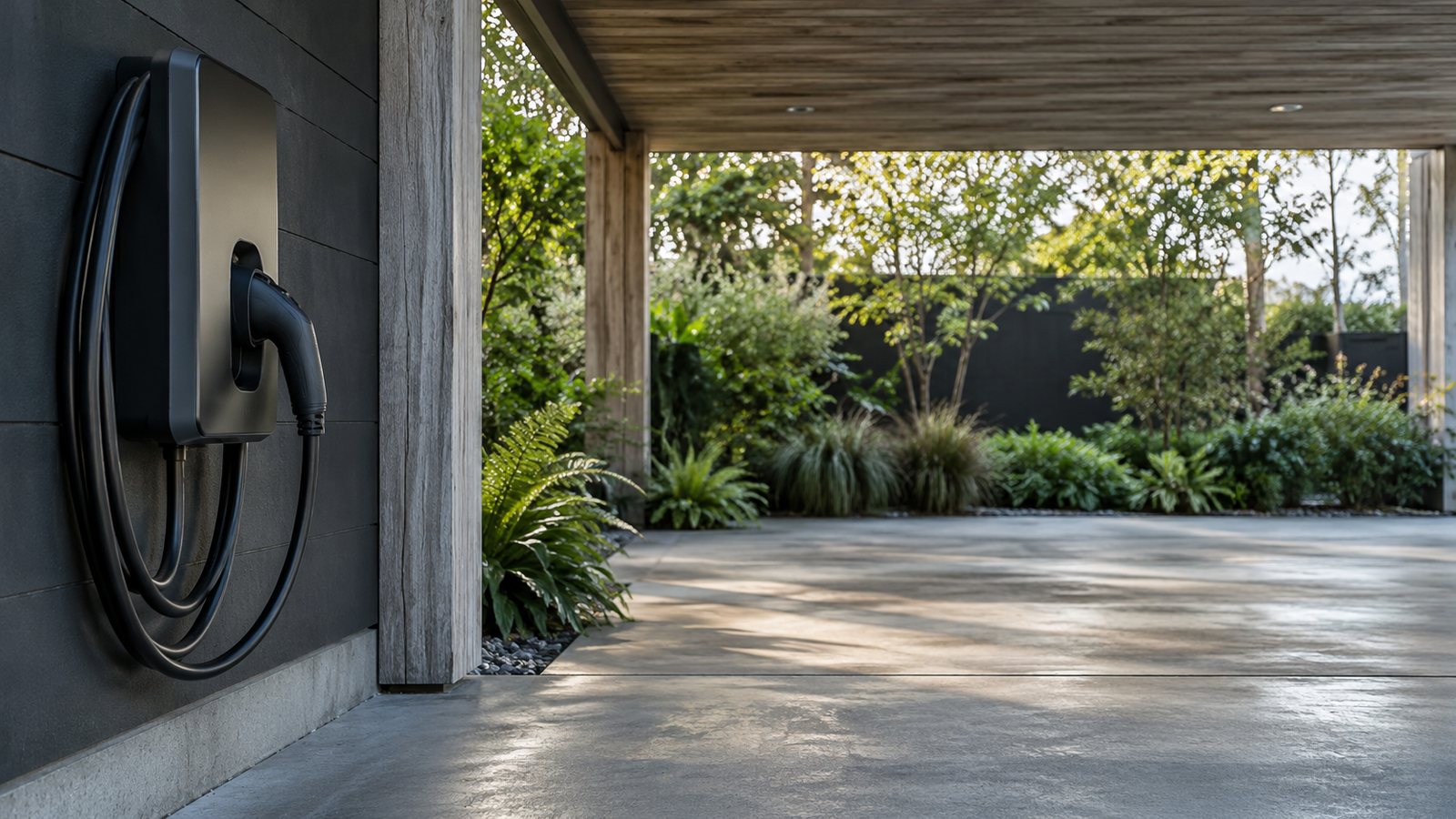
How do you check EV charging before buying a Bay Area home?
To check EV charging before buying, identify what is actually installed and included in the sale. Ask for the charger model, installation invoice, permit and final inspection record if work required a permit. Have a qualified electrician assess the circuit, panel capacity and equipment for your intended vehicle and charging needs. Confirm that the parking space and charger can be used together, and put any equipment or account handoff in the written agreement. A charger mounted on a wall does not, by itself, establish a safe installation or a usable charging plan.
I am Kate Fomina, a real estate broker at Crypton Realty in Alameda. I help Bay Area buyers organize property questions before their contract deadlines. This guide is a buyer's evidence list, not an electrical diagnosis. The image above is a fictional AI-generated image, not a real property or charging installation.
What exactly is installed at the property?
The Bay Area home buying guide gives you the overall decision path. For the charging question, begin with a photograph of the parking area, the charger or receptacle, the cable, and any legible equipment label. Some listings call a standard outlet, a dedicated charging receptacle, a wired charging station and an empty conduit the same thing: EV-ready. Those are different starting points. Ask the seller to describe what was installed and what was only planned. Then compare that answer with what you can see and with the records.
PG&E explains that home charging commonly uses Level 1 or Level 2 equipment. Level 1 can use a suitable household outlet and the vehicle's charging cord. Level 2 uses a dedicated 240-volt circuit. Its home charging guide recommends a qualified electrician to assess panel capacity and determine whether a local permit is needed. It does not certify this home's setup from a photo.
Write down the exact equipment and location. Is there a charger attached to the wall? Is there only a receptacle? Is the station plugged in or wired? Is the cable included? Ask your agent to compare those physical items with the sale agreement. The difference matters when the seller's charging station is portable or tied to a separate service plan.
Which installation records should a buyer request?
Ask for the installer invoice, equipment manual, any electrical permit number, and the record showing final inspection or sign-off when applicable. If the seller does not have a document, ask which local permitting office handled the work and whether a record can be retrieved. Do not describe missing paperwork as proof that an installation was unpermitted. The first task is to establish what work was done and what the local authority required at that address.
Review the documents against the installed charger model and its location. A permit for a panel replacement may not describe a later charger installation. An invoice for the charging unit may not show who installed the circuit. A permit application is not the same as a final sign-off. Our guide to checking permit history explains how to separate an application, issued permit and completed record without guessing from a listing description.
The local building department decides whether a particular installation required a permit and whether its records are complete. An electrician decides what the electrical work shows. Your real estate agent can gather the seller's documents and keep the questions tied to the agreement. Those are separate jobs, and an answer from one does not replace the others.
Can the existing electrical system support the charging you want?
Ask a qualified electrician to evaluate the charging circuit, the panel, the service and the other loads in the home. The number printed on a panel does not settle this question. Nor does an empty breaker slot. Your intended charging equipment and vehicle matter, and the electrician may need more information than a standard visual home inspection provides. The published garage buyer guide covers the parking space, outlets and future plans broadly, while this check focuses on charging equipment.
PG&E's home EV charging guidance says a service or panel upgrade may be needed in some cases and asks customers to identify the charging load and panel changes when planning service. That is a planning question for the utility and electrician, not a promise that the seller's current charger will suit the next owner. If the property is served by another utility, use that utility's current process instead.
Do not plug your vehicle into an unfamiliar outlet as a substitute for this review. Do not open the panel or remove the charger's cover during a showing. If the seller can show operation with proper permission and equipment, record what was shown. A single successful charging session still does not answer the installation and capacity questions.
Does the parking arrangement actually let you use the charger?
Stand where the vehicle would park. Note the charger's mounting position, cable reach, door clearance and whether another object blocks access. Photograph the parking arrangement with permission. A station can work electrically and still be awkward or unusable from the space the buyer has the right to occupy. Our parking review is useful for checking the space itself, including dimensions and written rights.
The Alameda County buying guide helps place this property check in the broader local search. For a condominium or shared garage, ask which space is assigned or deeded, who controls the wall and circuit, and what the association's documents say about equipment, maintenance and electricity billing. Do not assume a seller's ability to charge proves the buyer receives the same permission or account. The answer may depend on recorded rights, governing documents, utility arrangements and the sale agreement. Have the association, title professional or attorney address their respective documents where needed.
An outdoor location raises a separate equipment question. Ask an electrician to confirm whether the installed unit, cable and location are appropriate for that setting. A photo of a charger under a carport does not establish its rating, protection or condition.
What belongs in the written sale and handoff?
List the physical pieces separately: the station, mounting hardware, cable or adapter, spare parts, manual, access card, and any equipment that can be unplugged and removed. Ask your agent which pieces the agreement already includes and which need to be stated expressly. A listing photograph is useful for identification. It is not a reliable substitute for the signed inclusion terms.
Connected chargers can also have an app, account, subscription, schedule or usage history. Ask the seller how the unit can be reset and registered by a new owner. The manufacturer or service provider should confirm whether an account or warranty can transfer and what information must be removed. Do not ask for the seller's password. Document the handoff steps and timing so the unit does not remain attached to the seller's personal account after possession.
If the seller plans to remove the station but leave a receptacle or conduit, get that distinction in writing and ask the electrician what remains usable. If the charger is promised to stay but needs repair, put the exact work and evidence of completion in the transaction documents through your agent. Verbal assurance is too thin for a piece of equipment you expect to use immediately.
How do you plan the review before a contract deadline?
Start with the seller's disclosures and the signed agreement. California's DRE buyer guidance identifies inspection and disclosure review as parts of the homebuying process and tells buyers to put contingencies into the offer. Your own agreement controls your dates and rights, so ask your agent to identify the decision deadline before scheduling a specialist. If access is limited, state the unanswered EV questions clearly while there is still time to address them.
Send the electrician the equipment photos, available records and your intended charging needs before the visit. That helps the professional say what can be evaluated onsite and whether a utility or permit inquiry is needed. Ask for a written finding that separates observed condition, missing records and proposed work. A bid for a new installation is not the same thing as a finding that the existing installation is defective.
Use the educated step of my buying process to organize these property questions. If a problem appears, your agent can discuss a written request or other contract choices with you. An electrician can explain technical options and cost scope. Your broker or attorney should answer a legal question about the agreement. Keep each answer with its source.
What should go on a practical EV charging checklist?
Use one file for the charging setup rather than leaving the answer across listing photos, texts and an inspection report. You should be able to hand the file to an electrician and point to the item that remains unanswered.
- Equipment: Photograph the charger, label, cable and any receptacle. Record the exact model and what the seller says stays.
- Electrical work: Ask for the installer and equipment records. Note the circuit and panel questions for a qualified electrician, without opening equipment yourself.
- Permits: Save the local permit number and final record when one applies. Record a missing or unclear record as an open question.
- Parking: Confirm the space, physical reach, and any shared-garage or association permission in the relevant documents.
- Utility: Identify the serving utility and ask whether a service change or separate meter is involved in the setup you want.
- Handoff: Confirm the included hardware, account reset, manual and written repair or transfer promises before possession.
Mark each line verified, still open or not applicable. An open line is not automatically a reason to reject the home. It tells you what evidence or professional opinion is still needed before you make that decision.
What common mistakes make an EV-ready claim unreliable?
The first mistake is treating a charging receptacle as a complete charging station. An outlet's presence does not tell you the circuit condition or whether your charging equipment is compatible. The second is assuming a wall unit stays with the home because it appears in marketing. Check the agreement. The third is treating a permit application or installation invoice as a final approval. Ask for the actual completed record when applicable.
A fourth mistake is deciding capacity from the panel label alone. A qualified electrician needs to evaluate the installation and the home's loads. A fifth is overlooking the parking right or association rule because the seller has been using the station. Confirm the buyer's right to use the relevant space and equipment. A sixth is relying on an app screenshot to prove the hardware can transfer. Ask the manufacturer about account reset and ownership steps.
Keep the conclusion narrow. You may learn that the charger works for the seller's vehicle. You may learn that records are complete. You may learn that a new installation is possible. None of those findings alone proves the whole charging plan you want after closing. Put the missing piece on the list.
Does a working charger prove it was installed correctly?
No. Operation can show that the equipment delivered power during a test, but it does not replace an electrician's assessment of the circuit, panel, protection, equipment condition and applicable code. It also does not establish that required permits were obtained or finaled. Ask for the installation records and get a professional review if this feature matters to your decision.
If the seller reports a fault, overheating, repeated breaker trips or an unfinished installation, do not use the device to test a theory. Give those facts to the electrician and follow the professional's safety instructions. Your agent can help put the resulting transaction question in writing. The technical conclusion belongs with the electrician and local authority.
Can you rely on the seller’s charging account or electric rate?
Do not build your budget around the seller's account. A smart charger's app access and a utility rate are separate from ownership of the physical station. Ask the manufacturer how a new owner registers the device. Ask the serving utility what rates and meter arrangements are available for your account. Rates and incentives can change. Confirm the current terms with the serving utility before you budget for them.
If a separate meter serves the charger, identify whose account it is and what transfer or new-service process the utility requires. If the station is in a shared garage, ask who pays for the electricity and how use is measured. Keep the answer in writing. It is easier to resolve the account question before the seller disconnects service.
What if the seller has no charger paperwork?
Ask what the seller knows about the installation and request any remaining invoice, manual or permit reference. Search the local permitting office's records or ask staff how to request them. Have an electrician inspect the existing setup within the access and time allowed by your agreement. A missing folder does not prove bad work, and a clean-looking unit does not prove good work.
If you cannot complete the review before a contract deadline, tell your agent exactly what remains unknown. The next choice depends on the agreement and your risk tolerance. It may involve a request for information, a specialist visit or a written change to the deal. Get legal advice when you need a conclusion about rights. If you want help putting the EV charging questions into a Bay Area buying plan, contact me before the deadline.