2026-11-11 · 11 min read · Bay Area
How Should Buyers Check a Boundary Fence Before Buying a Bay Area Home?
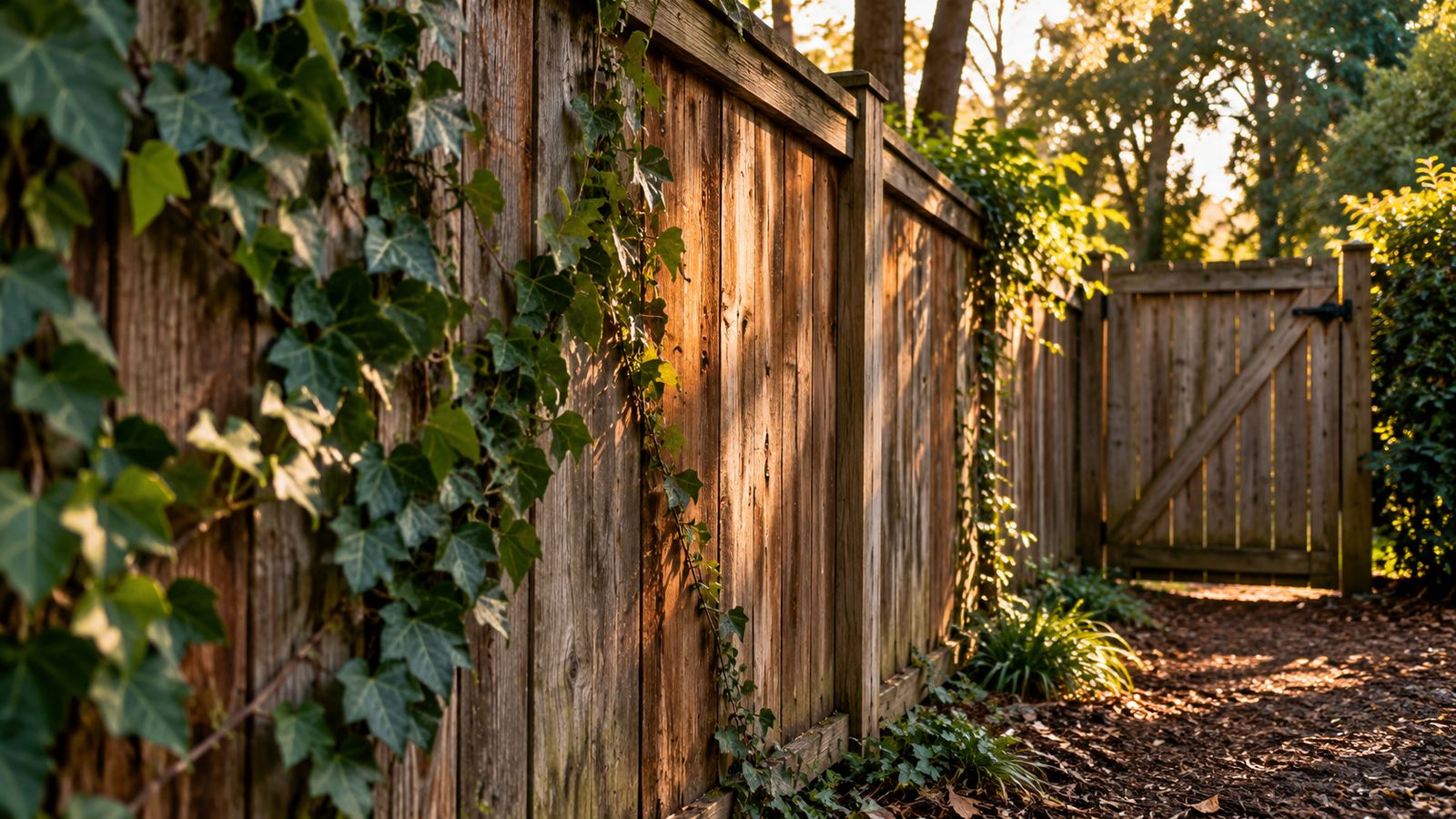
How should you check a boundary fence before buying?
Check the fence in three separate ways: look at its physical condition, compare its location with available property records, and find out what written agreements or local rules may affect repair or replacement. A fence can be useful, old, attractive, or damaged without telling you where the legal boundary is. Its location alone does not establish who owns it or who pays for work. If the line matters to your decision, ask a licensed land surveyor to determine it. If responsibility is disputed, ask a California real estate attorney to review the facts and documents.
Start during your showing, then return to the issue during your inspection and disclosure review. This is one part of the broader Bay Area home buying process. Your answer may change the scope of an inspection, the questions you put to the seller, or the amount you are willing to spend after closing. It should be based on this property, not the appearance of a fence in a listing photo.
I am Kate Fomina, a broker at Crypton Realty in Alameda. I help buyers organize property questions before they make a decision. I cannot certify a boundary, diagnose a fence, promise a permit outcome, or settle a neighbor dispute. The surveyor, contractor, city, title professional, and attorney each answer a different part.
The AI-generated image above is fictional. It does not depict a real property, survey, inspection finding, neighbor agreement or client transaction.
What can you learn by walking the full fence line?
Walk every accessible stretch of the fence with permission. Do not judge only the section behind the patio. Look at posts where they meet the ground, leaning runs, loose boards or panels, gate movement, hinges, latches, visible repairs, and places where plants or soil press against the structure. Take photos that show both the detail and its location along the fence. If part of the line is hidden, say so in your notes instead of treating it as inspected.
A stain, lean, or stuck gate is an observation, not a diagnosis. A contractor can explain the likely repair scope and give a written bid. A home inspector can document visible conditions within the limits of the inspection. Neither a clean photograph nor a seller's recent paint job settles what is happening below ground. Ask how the work would be done and whether the gate, posts, retaining elements, or drainage need separate attention.
Check whether a fence meets a retaining wall, a garage, or a neighboring structure. Those connections can make an apparently simple board replacement a different project. The nearby hillside home guide explains why you should investigate the site itself when grade and support are involved. Do not treat the fence as a retaining wall without a qualified assessment.
Does the fence show the legal property line?
No. A fence shows where someone built a barrier. It may be on a boundary, wholly within a parcel, or in a location that the owners have tolerated for years. A listing diagram, online parcel map, or measurement from a phone can help you ask questions, but none replaces a boundary determination by a licensed surveyor. California's Department of Real Estate bulletin on hiring a land surveyor explains why determining the limits of a property is licensed work.
Start with the preliminary title report, any recorded map or survey supplied in the disclosures, and the seller's known documents. Then ask what each document actually covers. A title report may identify an easement or exception but may not locate a fence on the ground. Our preliminary title report guide shows how to separate a listed document from a site conclusion. Ask the title company about recorded items and a surveyor about physical location. Do not ask your agent to turn a parcel screenshot into a survey.
When the exact line affects a driveway, gate opening, future construction, or usable yard area, tell your agent early. Survey scheduling and review can take time. Your signed contract and contingency dates control what can still be investigated before you must decide. A California real estate attorney can review an apparent encroachment or conflicting document if the issue becomes legal rather than physical.
Which seller and property records are worth asking for?
Ask for any prior survey, fence plan, permit record, contractor invoice, warranty, correspondence with an adjoining owner, or written cost-sharing agreement that the seller has. Ask when a visible repair was made and whether the work covered posts and foundations or only surface boards. Keep the answer in the transaction record. A verbal "the neighbor handles that side" does not explain the underlying agreement or establish a boundary.
Compare these records with the fence you can see. Does an invoice identify the same run and gate? Does a plan show a fence position, or only a general lot outline? Did the seller provide a document or simply recall a conversation? A missing record does not prove work was improper. It means you have a narrower evidence base. Our permit history guide explains why an online search should lead to a question for the local office rather than a final verdict.
Read any homeowners association documents if the home is in a common interest development. An association may have design or maintenance rules that change the practical process for a replacement. Ask for the actual governing documents and written clarification. Do not assume an association pays because a fence faces a common area, or assume the owner can change its height or material without review.
How do local fence rules change the replacement plan?
Local rules can affect height, placement, materials, visibility at a corner, and whether a building or planning permit is required. They are not uniform across the Bay Area. For an Alameda property, the City of Alameda fence regulations distinguish building permits from planning permits and identify special conditions for front yards, corner visibility, and some fence materials. The city's own page says to consult staff before construction. Treat that page as an Alameda example, not a rule for a house in San Mateo, Marin, or another city.
For the address you are buying, contact the correct city or county building and planning departments. Give them the property location, the proposed work, the fence's approximate location, and any known wall or gate connection. Ask which current rules apply and what records the office has. A permit history search may show an earlier approval without proving that the current fence matches it. An absence of a permit record also needs interpretation by that office.
If you expect to change the fence after closing, ask about the proposed design before relying on a contractor's rough estimate. A plan for a taller fence, a new gate, or a different material may require a different review from an ordinary repair. Do not promise yourself a particular outcome before the relevant authority responds.
Who decides repair scope, cost and responsibility?
A qualified contractor can inspect the work and prepare a written scope and bid. Ask the contractor to identify which posts, panels, gates, footings, and adjoining elements the price covers. The California Contractors State License Board advises consumers to verify a contractor's license and compare written bids on the same scope. A quote for a few boards cannot be compared fairly with a quote for rebuilding a whole run.
Who pays is a separate question. The fence's finished side, a neighbor's statement, and the location of an old post are not enough to assign the bill. Written agreements, a verified boundary location, association documents, and California law may matter. Do not tell a seller or adjoining owner they owe half based on a general rule you read online. If there is a disagreement, get legal advice on the particular facts before committing to a cost split or work plan.
You may also need to distinguish an immediate safety concern from a preference for a different appearance. Ask the inspector or contractor to describe urgency and why. A cosmetic replacement can be budgeted for later. A reported instability calls for prompt professional evaluation. I would not use a visual guess to set either budget or timeline.
What mistakes make a fence issue harder to solve?
The first mistake is treating the fence as a survey marker. It can feel obvious that the yard ends at the boards, especially when every neighboring yard is fenced. That feeling is not a record. If the strip of land matters to your plans, ask for a licensed survey before you remove an investigation contingency that covers the issue.
The second mistake is collapsing several questions into one. A sound fence can be in an unexpected location. A fence in the expected location can still need substantial work. A repair bid does not establish who is legally responsible to pay. Keep condition, location, permission, and cost in separate notes so the right professional answers each one.
The third mistake is asking for a seller credit before you know what the work entails. A credit, a seller repair, and accepting the property as it is have different timing and documentation issues. Ask for a scoped bid and talk through the choices with your agent. The signed agreement controls what can be requested and when. Do not assume a fence finding automatically changes the price or extends a contingency.
What should you check before your decision deadline?
Use this short checklist to keep the evidence together. It is a question list, not a substitute for an inspection or legal review.
- Condition: Photograph each accessible run, gate, post base, and connection to a wall or structure. Record areas you could not see.
- Documents: Request surveys, plans, permits, invoices, warranties, and written neighbor or association agreements that exist.
- Location: Compare the available title and map documents, then ask a licensed surveyor if the actual boundary matters.
- Rules: Ask the city or county about the work you might perform at this address. Ask the association if its documents apply.
- Cost: Get a written contractor scope and bid. Check the license status and whether the bid includes all affected work.
- Decision: Review your contract dates with your agent. Ask an attorney to address a disputed line or cost obligation.
The checklist fits inside the broader buyer investigation step. You do not need to solve every possible fence dispute in California. You need enough verified information to decide whether this property's fence fits your plans and budget. If the answer remains uncertain, put that uncertainty on the table before your decision deadline.
Can you rely on an online parcel map to place a fence?
No. Use it to identify the parcel and to ask for recorded documents, not to place the legal line on the ground. Map scale, data source, and visible imagery can all create a false sense of precision. The fence itself may have been built without reference to that display. A licensed land surveyor can determine the boundary if its position matters to the transaction or a future project.
Ask what decision depends on the answer. If you only want to know whether a gate opens and closes, a property visit may answer that. If you plan to move a fence, build near the edge of the parcel, or challenge an apparent encroachment, the boundary is central. That calls for the right specialist and enough time to review the result.
Does an old fence mean the seller has to replace it?
No. Age or visible wear does not automatically create a seller repair obligation. The signed contract, disclosures, inspection findings, and any later written agreement govern the transaction between buyer and seller. A contractor can say what work the fence needs. Your agent can help present a clear request. An attorney can interpret a disputed obligation. Keep those roles separate.
If a replacement is important to you, decide what evidence you need before asking for one. A defined scope and bid give the parties something concrete to discuss. A request based only on appearance can produce a vague promise that is hard to verify at the final walk-through.
What if the fence issue involves an adjoining owner?
Ask for any written history and avoid assuming that the adjoining owner has agreed to a new project. A prior conversation reported by the seller may be useful context, but it is not the same as a current written agreement. Boundary location, cost sharing, access for construction, and permit approval can each require a separate answer. If an owner disputes the line or responsibility, ask a California real estate attorney to review the documents and options.
You can still make a home buying decision while an issue is unresolved, but you should identify what remains unknown and the possible work you are taking on. For an Alameda County home buying plan, I can help organize the questions and transaction dates. If you want help reviewing a particular fence and the rest of the property disclosures, contact me before the deadline. Bring the photos, records, and any written bid. We can decide which specialist should answer each open question.