2026-11-22 · 10 min read · Bay Area
How Do You Review a Radon Test Before Buying a Bay Area Home?
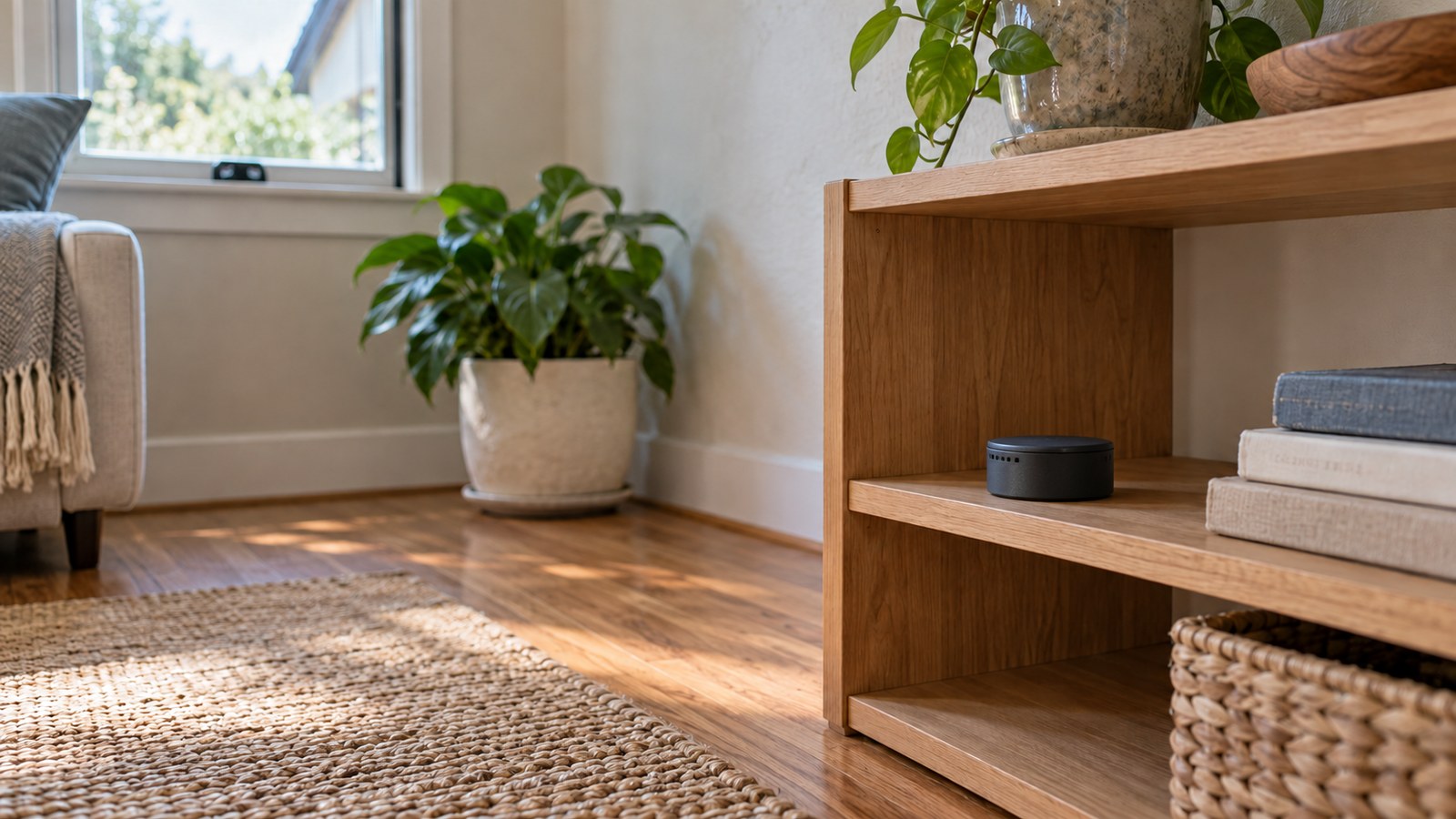
How do you review a radon test before buying?
To review a radon test before buying a Bay Area home, ask for the complete report, not a number copied into a disclosure. Check the test date, device or method, room and floor tested, test conditions, and who performed it. Ask whether the home has changed since that test. If there is no test, or the old result does not answer your question about the home as it stands now, discuss a new test with a qualified radon professional while your contract still gives you time to act on the result.
I am Kate Fomina, a broker at Crypton Realty in Alameda. I help buyers make sure a report belongs to the property they are buying and answers the question they actually have. My Bay Area buying guide covers the wider inspection and disclosure process. The image above is a fictional scene, not a real home, test, result, or client transaction.
What is radon, and why is a home test the useful evidence?
Radon is a radioactive gas that can enter a building from the ground. You cannot judge its concentration by how a room smells, how new the house looks, or whether the windows open. The U.S. Environmental Protection Agency’s Home Buyer’s and Seller’s Guide to Radon says testing is the way to learn the indoor level in a specific home. It recommends that buyers know the radon level of a home they are considering.
A regional map is not a test result for this address. The result from a neighboring property is not a test result for this structure. Construction type, openings, airflow, and the tested level all matter. Ask for property-specific evidence. That is a narrow, practical request. It does not require you to guess a home’s risk from a neighborhood label.
Radon is an indoor air concern, and medical questions belong with a health professional. My role is to help you obtain the report, understand what information is missing, and connect the testing question to your buying timeline.
Which parts of an existing report should you read first?
Start with the property address, test dates, testing company or laboratory, device type, location within the home, reported result, and any notes about the conditions. Ask for the full report with its instructions and limitations. A screenshot of the number leaves out the details that explain whether it applies to the home and the space you are evaluating.
Compare the test location with the lowest level that could be used regularly. The EPA buyer and seller guide recommends testing that level because a buyer may use a lower part of a home differently from the seller. A first-floor result may not answer a question about a lower room. Ask the testing professional how a finished room, unfinished lower level, crawlspace, or future renovation affects the correct placement. Do not move a device yourself during a live test.
Read the date in context. Ask whether a remodel, foundation work, ventilation change, or radon-reduction work happened afterward. The EPA guide tells buyers to consider changes since a prior test. An older test can be useful history, but it should not be presented as a measurement of conditions it never sampled.
When does a seller’s test need a closer look?
Ask who arranged the test and whether the result came from a qualified professional, a laboratory-analyzed kit, or another method. Check whether the report describes test duration and whether its conditions were followed. The EPA buyer and seller guide specifically addresses the time pressure of home sales and the possibility of device interference. A low number without method and conditions is a weak basis for a decision.
Look for a report that belongs to this exact unit or house. In a multiunit building, do not treat a different unit’s result as yours. If the property has an addition or a lower level that was not part of the old test, ask whether a new test location is needed. If you cannot find the testing company or the report has no date, write down the gap and ask a qualified tester what it means.
My disclosure-package guide explains how to keep one incomplete page from becoming an assumed answer. A seller can supply what they have. You still need to decide whether it is enough for the home you are considering.
How do you arrange a new radon test during escrow?
Raise the question early. Tell your agent you want a radon test and ask how access, timing, payment, and delivery of the result fit the written agreement. A qualified testing professional can recommend the device, test location, duration, and conditions for this property. The EPA’s real estate guide describes short-term options designed for home-sale timelines. Your inspector or tester should explain which protocol they will use before the device is placed.
Ask for the appointment, start time, end time, placement, and person responsible for the device in writing. The tester should explain any required closed-house conditions and what could invalidate a result. Do not improvise the instructions because you want a faster answer. An invalid test wastes the time you were trying to save.
Ask how the result will reach both parties and whether a follow-up measurement may be needed. If the result will arrive near a contingency deadline, discuss the timeline with your agent before you start. Contract rights depend on your agreement. A test request alone does not automatically extend a deadline.
What does the test location tell you?
Location matters because the report describes air at the place and time measured. The EPA recommends the lowest level of the home that could be used regularly for a real estate test. A device placed upstairs may not answer a question about a finished ground-level room. A device placed in an unsuitable spot can also affect the reliability of the test. Let the professional choose and document the location under the applicable protocol.
If you plan to change how a lower area is used after closing, tell the tester. A report made for the seller’s current use may leave that future space unanswered. Ask what a new test can establish now and whether you should retest after a renovation. Avoid turning an unfinished area into a medical or code conclusion from a single reading.
Use an allowed return visit to understand the layout and identify the spaces you need to ask about. My second-showing checklist helps organize a focused visit. Do not move the test device or change ventilation during that visit. Ask the tester what conditions must remain in place.
How should you read a radon number without guessing?
Read the unit of measure, test method, and report notes with the number. The EPA’s radon action-level guidance recommends fixing a home at 4 picocuries per liter, written as 4 pCi/L, or above. It also says levels below that can still pose risk and may be reduced. That threshold is guidance for action, not a promise that any lower result is safe.
Ask the qualified tester what the particular result means under the test protocol and whether confirmation or follow-up is appropriate. Do not compare numbers from different floors or different conditions as if they came from one controlled experiment. A single short-term result is a decision input, not a permanent rating of the property.
If the result is near a decision point, ask the professional about the uncertainty and options. The next step may be another test or a discussion with a qualified mitigation provider. Your agent can help keep the dates and written requests clear. An agent should not make a health diagnosis or design a mitigation system.
What if a radon-reduction system is already installed?
Ask for the installation date, installer, scope, permits if applicable, warranty or service information, and test results before and after the work. Ask whether the system has a fan, monitor, alarm, or other component that needs power or maintenance. A label saying “radon system” does not establish current performance. The EPA buyer and seller guide recommends that buyers request information about an existing system and test the home.
Have a qualified radon professional inspect or evaluate the system and explain how it should be checked after closing. If the seller has only a contractor invoice, ask for the follow-up test. If the test predates a system repair or a major building change, ask whether it still describes the present setup. Keep the system documents with the home records so future testing and service are possible.
Whether the installation required a permit, and what any record covers, depends on the work and local authority. My permit-history guide explains how to ask the correct building department about a specific project. A permit search does not measure indoor radon.
What if the result is elevated or the report is unclear?
Ask the tester to confirm the method, conditions, and result first. Then speak with one or more qualified radon mitigation providers about the available approaches for that house, a written scope, timing, and how performance would be checked afterward. The EPA guide describes reduction methods but does not turn every home into the same project. A proposed fan or pipe location should come from someone who has reviewed the building.
Put the decision against the contract timeline. You and the seller may discuss access, further testing, work, or another written response through the agents. An attorney should interpret any disputed contract right. Do not assume that a seller must perform a specific fix or that a credit has a standard amount. A quote is a quote for a scope, not a guarantee of the final indoor result.
For a property in Alameda County, my Alameda County buying page explains how specialty inspections fit the broader local search. The useful next step is a qualified answer for this home, not a general claim that every home in the county has the same level.
Which mistakes can make a radon review less useful?
Using a map as a property result. A map can support a question. It cannot replace a test in the home.
Accepting a number without a report. Get the date, location, method, and conditions. The number alone does not explain what was measured.
Testing a different space. A result from one floor may leave the level you expect to use unanswered. Ask the tester where the device belongs.
Disturbing the device. Moving a tester or changing required conditions can undermine the result. Follow the professional’s instructions.
Assuming a mitigation system always works. Ask for current testing and system records. Installation is not the same as measured performance.
Waiting until the deadline. Schedule early enough to read the report, ask follow-up questions, and discuss contract options with the right advisers.
What should your one-page radon review checklist include?
- Request the complete prior test report and confirm the property address.
- Record the test date, method, duration, location, result, and any noted limitations.
- Ask what changed in the home after that test.
- If needed, schedule a qualified new test with agreed access and delivery dates.
- Ask the tester which level should be measured and what conditions must be maintained.
- Review the result and any follow-up recommendation with the testing professional.
- If a mitigation system exists, collect installation, service, and before-and-after test records.
- Track the inspection contingency date and put unresolved questions in writing.
Keep the report and the answers with your disclosures. This checklist is a way to ask complete questions. It is not a health assessment, a test protocol, or a recommendation to buy a particular home.
Does a low radon result mean you never need to test again?
No. A result describes the conditions measured at that time. Changes to the house or the way a lower level is used may call for another test. Ask a qualified radon professional when retesting makes sense for the property. The EPA says there is no known safe level of radon exposure, so do not describe a low result as a lifetime guarantee.
Can you tell whether a Bay Area home has radon by smell or age?
No. Radon is not something you can detect with your senses, and both new and older homes can have a radon problem. The EPA recommends property-specific testing for that reason. A home’s age, price, appearance, or neighborhood cannot stand in for a report from the home.
What if the seller cannot provide a radon report before your deadline?
Ask your agent to request the report or arrange permitted access for a qualified test. If a valid result cannot arrive before your deadline, discuss the remaining uncertainty and your agreement with your agent and, if needed, California counsel. Do not treat “no report” as either a clean result or a confirmed hazard.
If you want help organizing a disclosure question and the inspection calendar, contact Kate Fomina. My buying process shows where specialist testing fits before you commit. This article offers general real estate information. Ask a qualified radon professional about testing and mitigation, a health professional about medical concerns, and counsel about contract rights.