2026-11-12 · 11 min read · Bay Area
How Do You Read a Pest Inspection Report Before Buying a Bay Area Home?
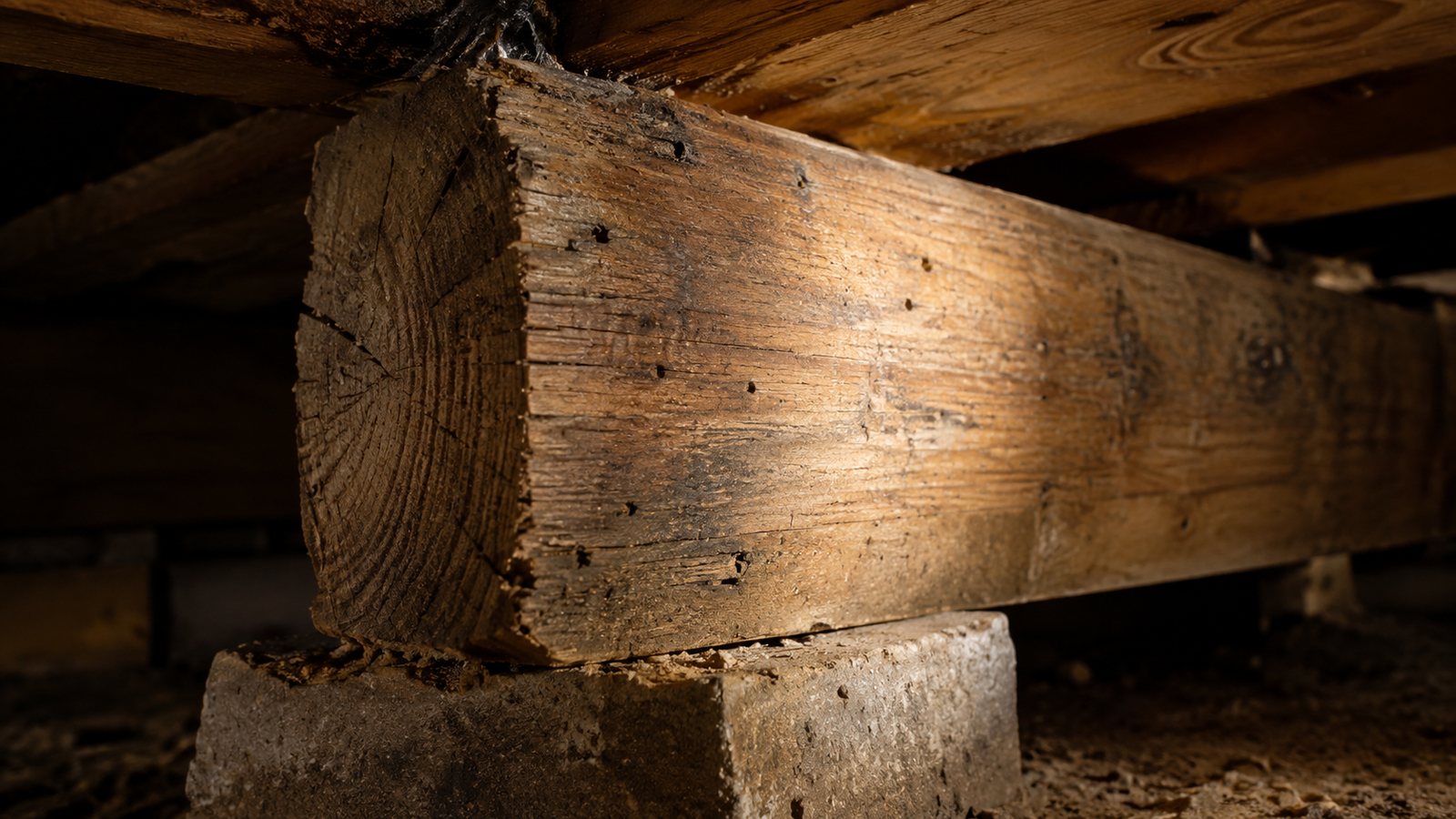
How do you read a pest inspection report before buying?
Read a pest inspection report before buying a Bay Area home in this order: confirm the property and report type, identify every structure and area inspected, match each numbered finding to the diagram, read the recommended work, and mark anything the inspector could not see. Then ask the inspecting company what each open item means for this property. A short summary or a seller's promise to handle the work cannot replace the full report and follow-up records.
In California, this is usually called a wood destroying pests and organisms inspection report, or WDO report. It may cover termites, other wood destroying organisms, damaged wood and conditions likely to lead to infestation or infection. It does not tell you everything about the house. A home inspector, contractor, engineer or other specialist may need to answer a separate question about the structure or a repair.
I am Kate Fomina, a broker at Crypton Realty in Alameda. I help buyers line up the report with disclosures, inspection access, financing and their contract deadlines. I do not diagnose pests, design treatments or certify repairs. The licensed company and any needed building specialist do that work.
The image above is a fictional AI-generated image. It is not an actual property, inspection report, finding or client transaction.
What exactly was inspected?
Start at the cover. Check the street address, inspection date, company, inspector, license number and total pages. Then check whether the document calls itself a complete, limited, supplemental or reinspection report. California's Structural Pest Control Board report form makes those report types explicit. A later page may change or add to an earlier finding, so keep the full set together and read it by date.
Look at the diagram. Which buildings or attached areas does it show? The Board's form says detached structures not shown on the diagram were not inspected. If the property has a detached garage, deck or other improvement, do not assume the house report covers it. Ask the company to identify the exact inspected structures and whether a separate visit is possible for a structure that matters to you.
Ask why an inspection was limited. Sometimes access, storage or finishes prevent inspection. A clean finding in the accessible part of a structure is not a finding about a hidden wall or an excluded room. Write the excluded areas on your question list so they cannot disappear behind a one-page summary.
How do you follow a numbered finding through the report?
Read one item all the way through. Find its number on the diagram, read the description of what was observed, then read the recommendation tied to that same number. Keep the location, observation and proposed work in one row of your notes. If the company uses a label you do not understand, ask it to define the label for this report. Do not translate an abbreviation into a diagnosis on your own.
The Board's form distinguishes subterranean termites, drywood termites, fungus or dry rot, other findings and further inspection. A checked box tells you to read the detailed pages. It does not say how far a condition extends, what work will uncover or what a repair will cost. Ask the inspecting company which evidence is visible, whether it saw active infestation or older damage, and what remains uncertain.
Compare the location with the seller's disclosure package. A note about moisture at a window should prompt you to read what the seller knows about that window and any prior repair. My disclosure-package guide explains how to compare statements with attachments. Do not treat a matching disclosure as proof the condition was corrected. Ask for the actual work record.
What does the report leave unknown?
Make a separate list for inaccessible places, recommended further inspection and assumptions behind a bid. California DRE's current law excerpts describe reports and certifications in terms of visible and accessible areas. That wording matters. It describes the inspection's reach, not a guarantee that every concealed space is free of a problem.
Ask whether stored items blocked an area, whether an attic or crawl space could be entered, and whether a covering would need to be removed before anyone can inspect beneath it. Do not remove finishes or enter an unsafe space yourself. The company can say what access it needs and whether it would issue a supplemental report after access is provided. Your contract and seller's permission determine whether that can happen before your decision deadline.
For a suspected structural issue, ask a qualified building specialist about the load-bearing member and repair design. The pest inspector's recommended treatment and a structural evaluation answer different questions. My foundation inspection questions show how to separate visible symptoms from an engineer's conclusion. If moisture is part of the finding, also review the drainage questions relevant to the property. Neither article replaces an on-site specialist.
How should you read a repair recommendation or bid?
Match every proposed treatment or repair back to an item number. Ask what work is included, what is excluded, whether the company expects additional findings once wood or finishes are opened, and what it will document when the work is done. A price beside one item may be a bid for a defined task, not a cap on everything a buyer might later discover. Get any price, scope and condition in writing from the provider.
Separate pest control from rebuilding. A treatment may address an organism without replacing every damaged member. A wood repair may address damage without explaining why moisture reached that area. Ask the licensed company which part it will perform and which part needs another trade. If a building permit may be needed, ask the contractor and the local building department. Do not infer permit status from an inspection report alone.
Some reports use Section 1 and Section 2 labels. Have the company explain how it classified each item and what that classification means in its report. Do not assume the label decides who pays. Payment, completion timing and access depend on the signed agreement. If you need a repair completed before closing, define the exact items and proof of completion with your agent and, when needed, an attorney.
What records can confirm the work was done?
Ask for the final invoice, notice of work completed or not completed, any reinspection or supplemental report, and any written certification that applies. Compare item numbers across documents. A receipt showing payment does not by itself tell you what an inspector later saw. A photograph of new wood does not prove hidden areas were inspected. If the document says an item was not completed, keep it on your open list.
California's 2026 real estate law excerpts set out several certification statements, including ones limited to visible and accessible areas and ones that list exceptions when work remains. Read the actual certification, its exceptions and the underlying report together. Do not shorten that to the word "clear" without knowing what was inspected and what recommendations are still open.
The Structural Pest Control Board explains how to search its WDO records for reports filed for a property within the preceding two years and request copies. This can help you find a prior report or completion notice. It does not substitute for asking the seller and company for the full current file. A missing search result does not prove that no pest issue exists.
Who should you ask before a contract deadline?
Take the report to the person qualified to answer each question. Ask the inspecting company to explain its findings, scope and proposed work. Ask a qualified contractor or engineer about structural repair where the report raises that question. Ask the lender whether it requires a report, treatment, completion record or other condition for this loan. Ask your insurance professional about coverage questions. Ask an attorney to interpret disputed contract terms or legal responsibility.
California DRE's first-time buyer guide tells buyers to consider pest and home inspections and put desired contingencies in the offer. DRE's disclosure guide says state law does not require a structural pest inspection before every transfer, but a signed contract or lender can require one. Do not assume a generic state rule supplies your deadline or decides what the seller must repair. Read your signed contract and ask the lender about this loan.
Use the buyer process's education step to put inspection answers beside the price and financing decision. If your own deadline is close and a material area remains inaccessible, say so before the deadline. A question sent after rights expire may leave you with fewer choices. Your agent and attorney can help you understand the agreement's actual options.
What mistakes turn a useful report into false comfort?
Reading only the first page is a mistake. The diagram, excluded structures, item descriptions and later reports can change what the cover appears to say. Read every page and attachment.
Calling the property "termite free" is a mistake. A report describes what was found or not found within its inspection scope at a point in time. Hidden or excluded areas remain unknown. Even a written certification uses limited language about visible and accessible areas.
Assuming a bid is the complete repair cost is a mistake. The scope may exclude work by another trade or concealed damage. Ask the company what will happen if opening the area reveals more. Keep the answer in writing.
Assuming a seller will pay is a mistake. A report does not rewrite the contract. Ask what the parties actually agreed to do, by when, and with what documentation. A pest finding needs its own scope review even if the parties are discussing a repair credit.
Confusing treatment with a structural sign-off is a mistake. Ask each licensed professional to address only the work within that professional's expertise. A pest company, engineer, contractor and lender may be answering different questions.
What should you put on a one-page review list?
Use this list while you read the report. Keep the answers and supporting documents together, then bring unresolved items to the correct professional before you decide.
- Confirm the address, date, report type, company and license information.
- List every structure shown on the diagram and every detached structure not shown.
- Match each finding number to its location, observation and recommendation.
- Mark all inaccessible areas and every request for further inspection.
- Separate pest treatment, wood repair, moisture correction and structural review.
- Ask for a written scope and identify work that another provider must quote.
- Compare prior reports, notices, invoices, reinspections and certifications item by item.
- Ask the lender about any loan condition and read your signed inspection deadline.
This list is useful for a home in Alameda County or another Bay Area county because it follows the report rather than a guessed local rule. If you are comparing homes, the Alameda County buying guide and Bay Area buyer guide connect the investigation to the wider decision. The property-specific report remains the source for its findings.
Does a clean pest report mean the whole home has no hidden damage?
No. Read the report's definition of the inspected area and any exclusions. A finding of no visible evidence in accessible areas does not tell you what is behind a closed wall or under a covered surface. If a concern matters to you, ask the licensed company what additional access or inspection would answer it and ask your agent how that fits the contract.
Can a buyer request a second pest inspection?
You can ask for one. Whether and when the property can be accessed depends on the signed agreement and the seller's permission. Tell the new company exactly what question the first report left open. Give it the prior report so it can distinguish an additional opinion from a different inspection scope. Compare the written findings rather than choosing the shorter report.
Who decides whether a pest item must be repaired before closing?
The signed agreement and any lender requirement control that decision, with the relevant professionals interpreting their own requirements. The pest inspector can explain the finding and recommended work. The lender can state a loan condition. Your agent can help document an agreement, and an attorney can advise on disputed contract language. Do not accept a verbal promise as the full plan.
If you want help organizing the report, specialist questions and your buying timeline, contact Kate Fomina. I will help you get clear answers before you decide what the home is worth to you. The buying process explains how those answers fit into the next step.