2026-09-08 · 8 min read · Bay Area
How to Plan for Pets When Selling Your Bay Area Home
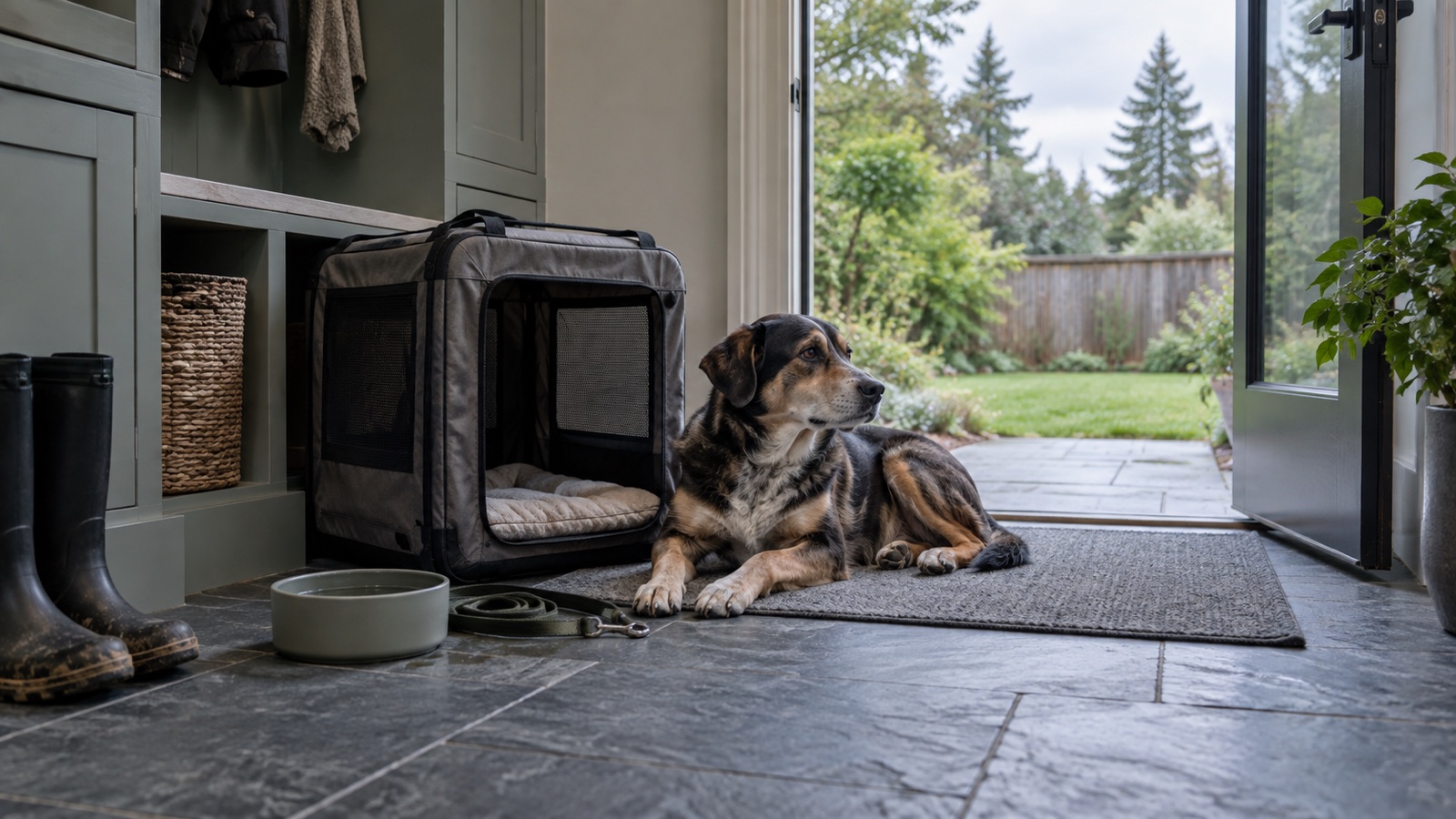
Pet logistics belong in the listing plan
Selling a home with pets in the Bay Area adds a practical question to every showing. Where will your pet be when someone needs access? If that answer changes every time, the showing routine gets harder for you, your agent, and anyone caring for the animal.
The solution is not to pretend the pet does not live there. The solution is to decide how the home will be presented and how your pet will be handled before photography and showings begin. A clear plan removes rushed decisions from an already busy part of the sale.
At Crypton Realty, I treat pet arrangements as part of preparation. They affect access, photography, cleaning, and the way you live in the home while it is listed. Start with the routine, then prepare the rooms around it.
Choose the safest realistic place for your pet
Decide where your pet can stay during photography, open access, and scheduled showings. The answer might be with you, with someone you trust, at an appropriate care provider, or in another arrangement that works for that animal. Choose based on your pet's behavior and needs.
Do not assume a closed bedroom, yard, garage, balcony, carrier, or crate will work without thinking through access. A visitor may need to see that area. A door may be opened. Noise or unfamiliar movement may upset the animal. A note on a door is not a complete plan.
Your agent needs clear instructions about any area that should not be opened and any pet that could still be present. If the arrangement prevents a buyer from seeing part of the property, decide in advance how and when that space can be shown.
Remove pet items that interrupt the room
Pet belongings can spread into every part of a home. Beds, bowls, toys, gates, scratching posts, litter supplies, food containers, grooming tools, and leashes all make sense in daily life. During a showing, too many of them can hide floor area, block a path, or pull attention away from the room.
Keep what your pet uses each day, then give those items one consistent place. Store backups and bulk supplies elsewhere. Move anything that narrows an entry, covers a feature, or makes a room difficult to understand. The goal is not to erase the pet. It is to make the property easy to read.
This works best as part of a broader pre-listing packing plan. Pack by purpose instead of carrying the same items from room to room whenever a showing is scheduled.
Deal with odor at the source
You can become used to a smell that a visitor notices immediately. That is normal. Ask someone you trust to walk through the home and give you an honest answer before the photographer arrives.
Clean the source instead of trying to cover it with heavy fragrance. Wash pet bedding and washable covers. Clean litter and feeding areas. Vacuum hair from upholstery, rugs, baseboards, vents, and the edges of stairs. Address any stained or damaged material with the right cleaning or repair professional when needed.
Strong fragrance creates its own problem because it can dominate a room and make people wonder what it is covering. A clean home should smell neutral. Keep the daily routine simple enough that you can repeat it without turning every showing into a deep-cleaning project.
Look at visible wear without overreacting
Pet-related wear can be minor, cosmetic, or worth a closer look. Scratched trim, damaged screens, worn flooring, marked doors, chewed corners, or patches in landscaping do not all need the same response.
Start by identifying what a buyer will see and what the condition may suggest. Then decide whether cleaning, repair, replacement, or no action makes sense within the full presentation plan. Do not start replacing materials one by one without knowing how each choice fits the rest of the home.
The same rule applies to every pre-sale project. Spend with a reason. My guide to what to fix before listing explains how to separate work that supports the launch from work that adds cost without a clear benefit.
Prevent surprises during access
A buyer should not discover an animal after entering the property. Your pet should not be put in a position where unfamiliar people appear without a clear routine. Good communication matters on both sides.
Confirm the plan with your agent before each type of access begins. Explain whether the pet will always leave the property or whether there are limited exceptions. Identify gates, interior doors, outdoor areas, feeding equipment, or other details that affect how someone moves through the home.
Remove food, medication, identification records, veterinary papers, and personal labels from visible areas. Those items do not help present the property, and some contain information you may not want photographed or shared. Privacy preparation should include the pet's information too.
Build a reset routine you can repeat
A plan that takes hours will be difficult to maintain. Create one short reset for the end of the day and another for before access. Keep a dedicated container for toys, grooming items, and small supplies. Put cleaning tools where you can reach them quickly.
Before you leave, remove bowls and litter equipment if that is part of the presentation plan. Check floors and upholstered furniture for fresh hair. Clear the yard or patio. Put gates and pet furniture in their assigned places. Confirm that your pet has what it needs wherever it will stay.
Write the routine down and share it with anyone helping you. The point is consistency. You should not have to remember a new sequence when you are already trying to get out the door.
Make a backup plan before you need it
Schedules change. A caregiver may become unavailable. Weather may make an outdoor plan impractical. A pet may react differently once unfamiliar activity begins. Build one backup option before the home goes live.
The backup should answer the same questions as the main plan. Where will the pet go? Who can help? What equipment needs to be ready? How much coordination does the alternative require? Keep any carrier, travel supplies, medication, food, and contact information together so the change does not become a search through packed boxes.
If access needs to be adjusted, tell your agent as soon as you know. The weekly listing update is also a good place to review whether the showing routine is working or creating avoidable friction.
Put the pet plan inside the larger launch
Your pet plan should support the sale without making daily life unmanageable. Decide where the animal will be. Reduce the items that interrupt the rooms. Clean the sources of odor. Address visible wear with intention. Then make the routine repeatable.
Those decisions belong beside photography, preparation, access, and communication. They are part of how I organize a home sale, not a last-minute cleanup before the first appointment. You can also read how I approach selling a Bay Area home and the local context for selling in Alameda County.
If you are planning a sale and need a practical routine for your home and your pet, tell me what daily life looks like. I will help you decide what needs to change before the launch and what can stay exactly as it is.