2026-11-21 · 10 min read · Bay Area
How Do You Verify a Seismic Retrofit Before Buying a Bay Area Home?
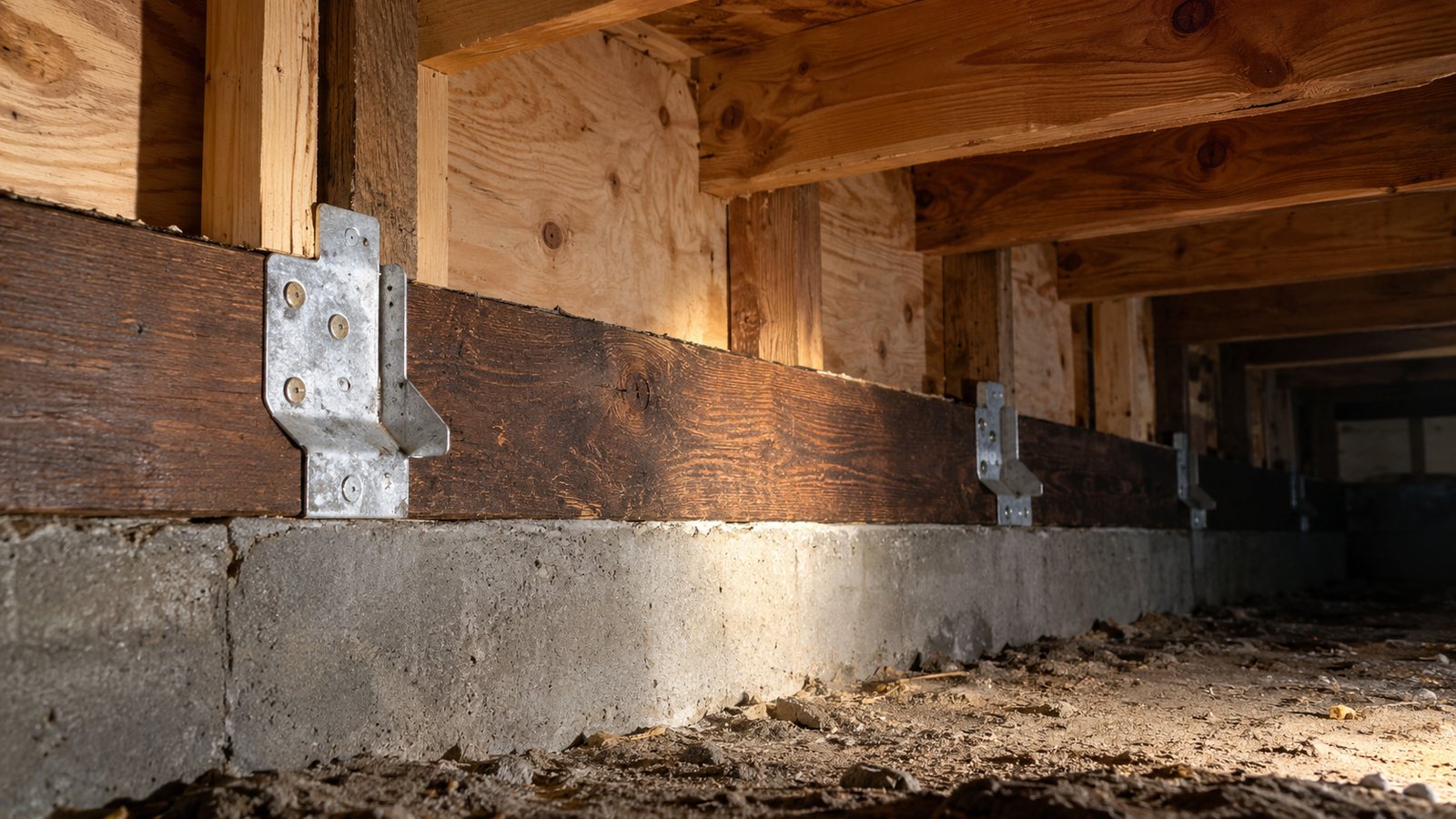
How do you verify a seismic retrofit before buying?
To verify a seismic retrofit before buying a Bay Area home, ask what work was done, when it was done, and who did it. Request the contract or scope, any plans, the permit number, the final inspection record, and photos taken before the work was covered. Then have a qualified structural professional review the actual house and those records together. The phrase “earthquake retrofitted” does not tell you which parts were addressed or whether the work fits this structure.
I am Kate Fomina, a broker at Crypton Realty in Alameda. I help buyers put a listing claim beside the documents and the physical condition before they make a decision. My Bay Area buying guide covers the wider buying process. The image above is a fictional AI-generated image, not a real home or a construction detail to copy.
What does “earthquake retrofitted” actually tell you?
By itself, very little. A seller may mean foundation bolts, bracing around a short crawlspace wall, work at a garage opening, a water-heater restraint, or another project. These are different tasks. Ask the seller to name the part of the house, describe the completed work, and give you the documents that support that description. If the answer is “the previous owner did it,” the next question is what evidence the current owner has.
The California Department of Real Estate’s disclosure guide identifies several earthquake-related conditions that can matter in a residential transfer, including missing foundation anchor bolts, unbraced perimeter cripple walls, unbraced first-story walls, and an unanchored water heater. A cripple wall is the short wall between a raised foundation and the floor above. The guide does not say that one repair fixes every possible weakness. Keep each item separate in your notes.
A listing description is advertising, not an engineering report. A photo of one bolt is not a review of the whole foundation. You need a scope you can match to the house.
Which documents should you ask the seller to provide?
Ask for the contractor proposal or written scope, signed agreement, invoices, permit and plan references, inspection sign-offs, and any engineer’s report. Request dated photographs of the work while the crawlspace or wall was open. A certificate from a grant or insurance program may be useful, but ask what that certificate actually verified and what it did not. Keep the documents in one folder so a specialist can compare them without guessing which page belongs to which job.
Read the scope closely. It may cover a raised foundation but say nothing about a large garage opening, an addition, a retaining wall, or a separate outbuilding. If the house has been altered since the work, ask whether the old drawings still describe the current structure. A paid invoice proves a payment was recorded. It does not, by itself, establish that every proposed detail was installed or that a permit received final approval.
My permit-history guide explains how to compare a seller’s paperwork with the local record. Ask for the original documents first. You can then search for the same project and address with the building department.
How do you check a permit and final inspection?
Start with the city or county that has building authority for the property. Search by address and, when available, by parcel number or permit number. Confirm that the record describes the seismic work you were told about. Look for the permit’s status and inspection history. “Issued,” “inspected,” and “finaled” describe different stages. If the portal is unclear, contact the department and ask what its record shows. Do not read a blank search result as proof that no work was done.
For a property within the City of Alameda, the city’s Permit Center explains how to search current and historical building records. It describes separate routes for records after 1995 and older records. That is an Alameda example, not a rule for every Bay Area jurisdiction. Other cities and unincorporated county areas keep their own systems and archives.
Write down the permit number, the exact address, the work description, and the status you found. If the seller’s invoice refers to a different scope or the record remains open, ask the department and the seller to reconcile the difference. A permit record can confirm a government process. It does not replace a current structural inspection.
What should a specialist inspect in the actual house?
Give the specialist the seller’s scope, photos, permits, and your list of unanswered questions before the visit. Ask them to inspect the relevant areas that can be accessed safely, identify what can and cannot be seen, and explain whether the claimed work appears to match the records. The right professional depends on the structure and the question. A structural engineer may be appropriate for a complex foundation, hillside condition, garage opening, or disputed design. A qualified contractor may help explain installed work, but a contractor’s proposal is not the same as an independent engineering opinion.
The Department of Real Estate’s buyer guidance urges buyers to use professionals to examine the foundation and structural integrity when they lack that expertise. My foundation inspection questions give you a separate set of prompts for that appointment.
Ask for the specialist’s limits in writing. Finished walls, storage, moisture, or restricted access may conceal critical connections. If the specialist cannot see a part of the claimed retrofit, the report should say so. Do not turn “not observed” into “passed.”
How do you compare the paper record with the physical work?
Use four columns in your notes: claimed work, supporting document, observed condition, and unresolved question. For foundation anchoring, the claim might be in the listing. A contractor invoice might describe the bolt installation. A permit might show a final inspection. Your specialist then records what was visible and whether the observed condition is consistent with that scope. If a column is empty, you have a question to ask, not an answer to assume.
Keep the comparison narrow. A final inspection of one retrofit job does not certify that an unrelated addition or later remodel was reviewed. A seller’s photograph can show work at one spot without showing the full perimeter. A current inspection can identify visible conditions but may not establish exactly when hidden work was performed. Put those limits in the same notes as the favorable evidence.
If the home is on a slope, the foundation and site may raise different questions from a level lot. My hillside-home guide helps you organize those separate concerns. Do not assume a standard crawlspace retrofit addresses drainage, retaining structures, or the soil beneath the home.
What if the seller has no permit or work file?
First, ask exactly what the seller knows and what the seller has. There may be an old invoice, a prior inspection report, a plan sheet, or photographs even when the complete file is missing. Search the local building department’s available records, then ask the department how it handles older or incomplete archives. Rules vary by jurisdiction and by the work performed. A missing online result is not a legal conclusion about whether a permit was required.
Next, decide what independent review you need before your contract deadline. Ask a qualified professional to examine accessible conditions and explain the cost and limits of any deeper investigation. The professional may recommend opening a covered area, obtaining plans, or seeking a permit-record explanation. Whether you can do that before a contingency expires depends on access, the agreement, and the seller’s cooperation. Work through your agent and obtain legal advice for a disputed contract question.
You can still evaluate a house with an incomplete file. What you cannot do is convert the seller’s shorthand into verified scope. Record the gap plainly and decide whether the remaining uncertainty fits your own buying decision.
When should you ask these questions while buying?
Ask for the retrofit file when you receive the disclosure package or notice the claim in the listing. Send the records to your inspector before the inspection, not after. If the specialist needs a return visit or a building department response, put that task against the actual contract deadline. Your agent can help request access and track delivery. The specialist decides what the work means technically. An attorney can advise you about rights under your specific agreement.
If the seller provides new information late, read it before you decide what to do with any inspection contingency. Do not rely on a verbal “it was all done to code.” Ask which code or approved plan the speaker means and what record supports it. You may need the department to explain its own permit status and the specialist to explain the construction.
My Alameda County buying page places this document work in the broader local process. The sequence is simple: obtain the claim, collect evidence, inspect, resolve gaps, then make the contract decision with the right advisers.
Which mistakes make a retrofit claim look stronger than it is?
Treating the label as a full-house rating. “Retrofitted” may describe one job in one part of the structure. Ask for the exact scope.
Reading an invoice as a final inspection. A contractor’s bill and a building department record answer different questions. Check both when they exist.
Assuming every Bay Area house has the same foundation. Slab, raised, hillside, post-and-pier, garage, and addition conditions can call for different review. Let a qualified professional identify the actual system.
Letting an inaccessible area disappear from the report. Ask the inspector to name areas that could not be checked and what further access would be needed.
Calling a permit a safety guarantee. The DRE’s earthquake guide explains that precautions may reduce certain damage risks but cannot guarantee safety in a major earthquake. A present condition and your insurance choices still deserve separate review.
What belongs on your retrofit verification checklist?
- Copy the seller’s exact retrofit claim and ask for a dated work description.
- Collect the proposal, invoice, plans, permit number, final inspection record, and before-work photographs that exist.
- Match the documents to the property address and the part of the house they cover.
- Search the correct local building department and record the status of each related permit.
- Give the full file to a qualified structural professional before the inspection.
- Ask what work was visible, what was concealed, and whether the observed condition matches the claimed scope.
- List additions, garage openings, hillside features, and other parts not covered by the claim.
- Resolve inconsistent dates, open permits, missing records, and limited access before the relevant contract decision.
Save the answers with the disclosures. The checklist does not grade the house or replace an engineer’s report. It keeps one strong-sounding line in a listing from doing the work of several different records and inspections.
Does a finaled retrofit permit prove the home is earthquake safe?
No. It is evidence that the local department recorded a final step for the permitted work. Ask what that permit covered and whether the current structure still matches the approved scope. A qualified professional can explain the visible condition and remaining questions. The California DRE disclosure guide says no precaution can guarantee safety during a major earthquake.
Can you verify a retrofit from photos alone?
Photos can help identify work that is now concealed, especially when they are dated and tied to a plan or invoice. They do not automatically show the whole perimeter or prove a final inspection. Ask the specialist which photographed details can be connected to the house today and which cannot. Keep the answer in the report.
What if the inspection finds a gap after the seller said the home was retrofitted?
Ask the specialist to describe the gap precisely. It may be missing evidence, an area that could not be seen, a mismatch with the work file, or a condition that needs more evaluation. Send that description through the agents and ask the seller for any additional records. Your contract and timing control your options, so ask California counsel about a dispute rather than assuming a remedy. Do not commission a repair based only on a general article.
If you want help keeping the disclosure file and specialist questions organized, contact Kate Fomina. My buying process