2026-11-26 · 9 min read · Bay Area
What Should Sellers Do With Unfinished Contractor Work Before Listing?
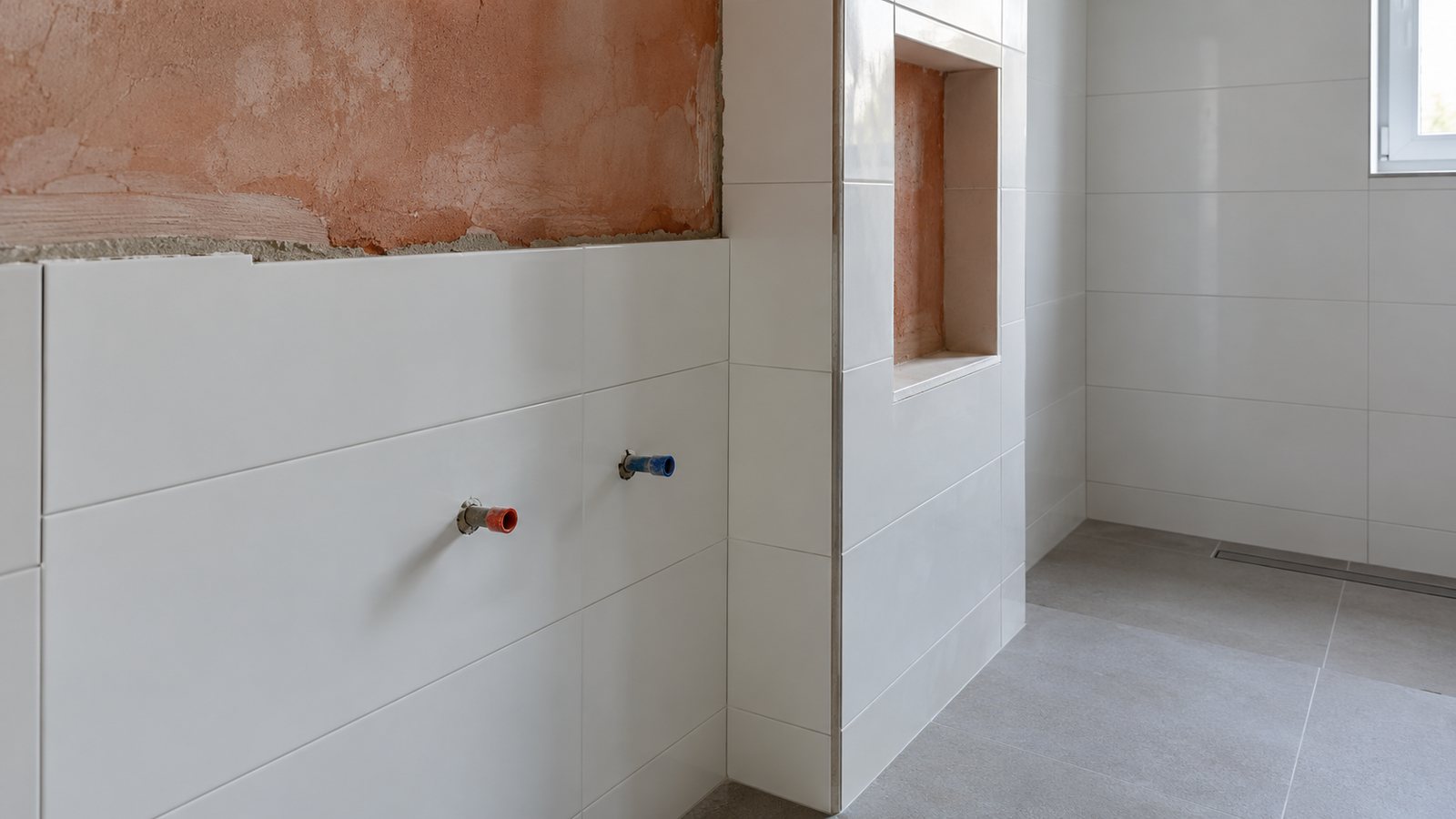
What should you do with unfinished contractor work before listing?
For unfinished contractor work before listing, write down the exact work left, collect the contract and change orders, and check the permit status with the local building department. Decide whether the contractor will finish it before photos and showings, whether a different qualified professional must assess it, or whether you will sell with the work plainly unfinished. Give your real estate agent the records and describe the property's present condition accurately. A target completion date is not the same as completed work.
I am Kate Fomina, a real estate broker at Crypton Realty in Alameda. I help Bay Area sellers turn an unfinished project into a clear listing decision. This is a record and sale-planning guide, not a construction diagnosis or legal opinion. The image above is a fictional AI-generated image, not a real property or a documented project.
What counts as unfinished work, and why does the distinction matter?
Start with a plain description you could verify during a walk-through. A room may be usable while trim is missing. A wall may be patched but unpainted. A replacement fixture may be installed while its required inspection is still open. These are different conditions. Do not group them all under "minor touch-ups" until you know what remains and whether any system is affected.
Compare what you can see with the written scope. The contract might call for materials, finish work, testing, cleanup or permit sign-off that have not happened. An invoice marked paid does not prove every item in the scope is complete. A photograph of a finished surface does not prove concealed work or a final inspection. List the incomplete items in ordinary language, then ask the contractor to identify the work and documents still owed.
This review is narrower than deciding which repairs are worth doing before a sale. First establish the condition. Then you can weigh cost, timing and presentation with real information rather than guessing from a punch list.
Which records should you put in one project file?
Gather the original contract, signed change orders, plans or specifications, invoices, payment records, written messages about delays, contractor contact and license information, warranties, and any permit numbers. Keep the versions in date order. A change order is a written change to the original scope, price or timing. If a verbal change never made it into the paperwork, note the gap and ask the contractor for a written account of what was agreed and performed.
The California Contractors State License Board says a home improvement contract should detail the work, materials, payment and permit responsibilities, and that changes belong in writing. Use that guidance to organize your questions. It does not tell you whether this contractor met a particular contract or whether the work is sound.
Separate three records that people often treat as interchangeable: a bill shows a charge, a contractor's statement describes what the contractor says was done, and a permit record shows what the building department has recorded. Put all three in the file if they exist. If one is missing, identify it as missing instead of describing the project as signed off. Our seller guide to unpermitted work explains why the permit question deserves its own review.
How do you check a contractor and an open permit?
Use the state board's contractor license lookup to check the business name or license number and review the displayed status and disclosure information. Record the date you checked it. A current license listing is useful context. It is not an inspection of the work, a warranty, or a promise that the contractor will finish by your listing date.
For a project with a permit number, ask the city or county building department for the permit description and present status. Was a permit issued? Which inspections, if any, are recorded? Is there a final sign-off, an open correction or an expired application? Ask the department what its record means for that address. Permit systems and required approvals vary by jurisdiction and project. Do not infer that a permit was unnecessary because you cannot find it in an online search.
If the record is incomplete, ask what documents or inspections are needed and who can request them. A contractor or qualified inspector can evaluate the physical work. The building department can explain its process. Your real estate agent can help organize the sale timeline. Keep those roles separate. A permit application, issued permit and final record answer different questions.
Should you finish the project before the home goes on the market?
Finish it before listing only when the remaining scope, qualified help, cost and timing are sufficiently clear for you to make that commitment. Ask the contractor for a written list of remaining items and a realistic schedule. If the work touches electrical, plumbing, structure, water intrusion or another technical system, ask the appropriate qualified professional to evaluate it. Do not choose a finish date from a marketing calendar and then pressure the technical review to fit it.
If you bring in a replacement contractor, confirm the license information and obtain a written scope that states what the new contractor will inspect, complete and exclude. An estimate to finish visible items may not include concealed defects or a building department correction. The state board homeowner checklist asks homeowners to check licensing, permit responsibility, detailed scope, schedule and payment terms before work begins. Use it for this new agreement as well.
Sometimes a seller chooses to list with the project unfinished. That choice requires clear property description and disclosure review, not a cosmetic label that hides the work. Sometimes delaying the listing is better. The answer depends on the home's actual condition, the contractor's record, the local permit status and your sale priorities. The Bay Area selling guide can help frame the larger preparation plan without pretending every unfinished project needs the same answer.
What if the contractor is late, absent or disputing the scope?
Keep the original documents and make a dated record of what is unfinished. Communicate the specific items to the contractor in writing and preserve the response. Avoid saying the contractor abandoned the job if you only know that a scheduled visit was missed. Ask whether the contractor disputes the scope, materials, payment or completion standard. Those distinctions matter if you seek a remedy and if you must explain the project's status to a buyer.
The state board's construction complaint guidance says it asks whether you formally notified the contractor of your concerns and recommends keeping a copy of the notice. It also explains that a licensing complaint is an administrative process, not a guarantee of restitution. If you are considering a claim, cancellation, withheld payment or a new contractor taking over, consult a California construction attorney about your contract and facts. A real estate article cannot decide that dispute.
Do not wait for the dispute to disappear before organizing the property record. Your listing plan can acknowledge unresolved work while you pursue a separate contractor resolution. The transaction documents should describe the actual condition and any agreed buyer or seller obligations. Your attorney and broker can review the wording if a project dispute remains active.
How should an unfinished project appear in disclosures and marketing?
Give your agent the incomplete-work list, photographs and records before the listing description and photos are finalized. California's Department of Real Estate disclosure guide reproduces the Transfer Disclosure Statement questions about known significant defects, work done without necessary permits and work not in compliance with building codes. The form asks about the seller's knowledge. It does not invite a seller to guess that an unfinished area passed inspection or to omit a known problem because a contractor intends to return.
Describe visible unfinished work as it is. If a bathroom has an unfinished wall, say so. Do not call it a completed remodel. If you have an issued permit but no final approval, state the known permit status and provide the record for review. If a contractor says a final inspection is scheduled, describe it as scheduled, not passed. Ask your broker and, where needed, California counsel how the specific facts belong in the required disclosure package. A contractor's explanation may help, but the seller still needs to answer the seller's questions accurately.
Photos should not imply a finished condition that a buyer will not see. Plan the photo and showing sequence around what is present on the day of capture. The Alameda County selling page connects preparation to the broader sale plan. The project record itself remains address-specific.
What belongs in an unfinished-work decision checklist?
Use this checklist before you choose a listing date or tell a buyer the work will be finished:
- Present condition: Write what is incomplete in each affected area and date the photographs.
- Written scope: Compare the contract and change orders with the work you can confirm.
- Contractor status: Record the contractor's name, license lookup and current written response.
- Permit record: Ask the local building department what was issued, inspected or left open.
- Technical review: Identify the qualified professional needed for a system or safety question.
- Sale decision: Decide what will be completed before marketing and what will be disclosed as unfinished.
- Agreement: Have your agent put any post-contract work or credit terms in the appropriate written transaction documents.
The checklist is a way to find missing information, not a certificate that the work is complete. Do not mark an item resolved simply because someone expects an answer later. If the buyer is meant to receive a record or a repair, name that record or work in the signed agreement through the transaction professionals.
Which mistakes create confusion for a buyer?
Calling a project complete because it looks finished. Paint and trim can cover an unresolved inspection or a missing component. Ask what the contract and permit record actually show.
Using "as is" as a substitute for disclosure. A sale term does not make known property facts disappear. Review the condition and required disclosures with your broker and counsel before relying on contract language.
Promising a contractor's return date as a fact. Keep an expected date separate from a completed, documented result. If the timing matters to the sale, handle it in writing with professional advice.
Assuming a complaint will pay for completion. The state board says its investigation is not designed to obtain restitution. Treat a contractor dispute and the home's sale as related but separate decisions.
Waiting until a buyer discovers the open work. A clear file can answer questions early. Missing records may still require investigation, but naming the gap is more useful than saying there is no issue.
Can you list a home while a building permit is open?
An open permit does not, by itself, tell you whether a sale can proceed or what a buyer, lender or insurer will require. The permit's scope and status, the property's condition and the transaction terms all matter. Ask the building department to explain the record, then ask your broker, lender or other relevant professional how it affects the proposed sale. Do not advertise the work as approved while final approval is still pending.
Should a seller offer a credit instead of finishing the work?
A credit may be one possible negotiation tool, but it does not finish construction, close a permit or transfer a contractor's obligations automatically. First identify the unfinished scope and get a qualified estimate when useful. Then ask your agent and the buyer's lender about acceptable contract terms. An attorney can address disputes or unusual obligations. Our guide to repairs versus credits after inspection explains that later negotiation in more detail.
What if you cannot find the original contract or permit?
State what you know and what you cannot verify. Ask the contractor for copies and ask the local building department to search its records using the property address and likely work description. A missing document is a research task, not proof that a permit never existed or that the work complied. If the gap affects a disclosure answer or the sale agreement, have your broker and California counsel review it before you sign.
What is the next step before you set the listing date?
Walk the affected area with your project file, write the unresolved items in plain words, and get the right professional answers. Then choose whether to finish the work, seek a different contractor assessment, or list with a clearly described unfinished condition. I can help you place that decision inside a sale plan without making a construction or legal finding for you. Contact Kate Fomina to discuss the listing, and see the selling process for how property preparation fits the larger launch.