2026-11-18 · 11 min read · Bay Area
How Do Buyers Verify Condo Parking and Storage Rights?
How do you verify condo parking and storage rights?
To verify condo parking and storage rights, identify each promised space, then match it across the listing, signed offer, preliminary title report, recorded condominium documents, association records, and the physical building. Ask whether the space is part of the unit, assigned for exclusive use, shared, leased, or available under a rule that can change. Confirm the space number, location, access, and any restrictions in writing before your investigation deadline. A painted number and a seller's statement do not settle the legal right.
I am Kate Fomina, a California real estate broker at Crypton Realty in Alameda. I help Bay Area buyers collect the records and identify inconsistent answers. I cannot interpret a disputed property right or certify a boundary. A title professional, the association, and a California real estate attorney can address those questions within their roles.
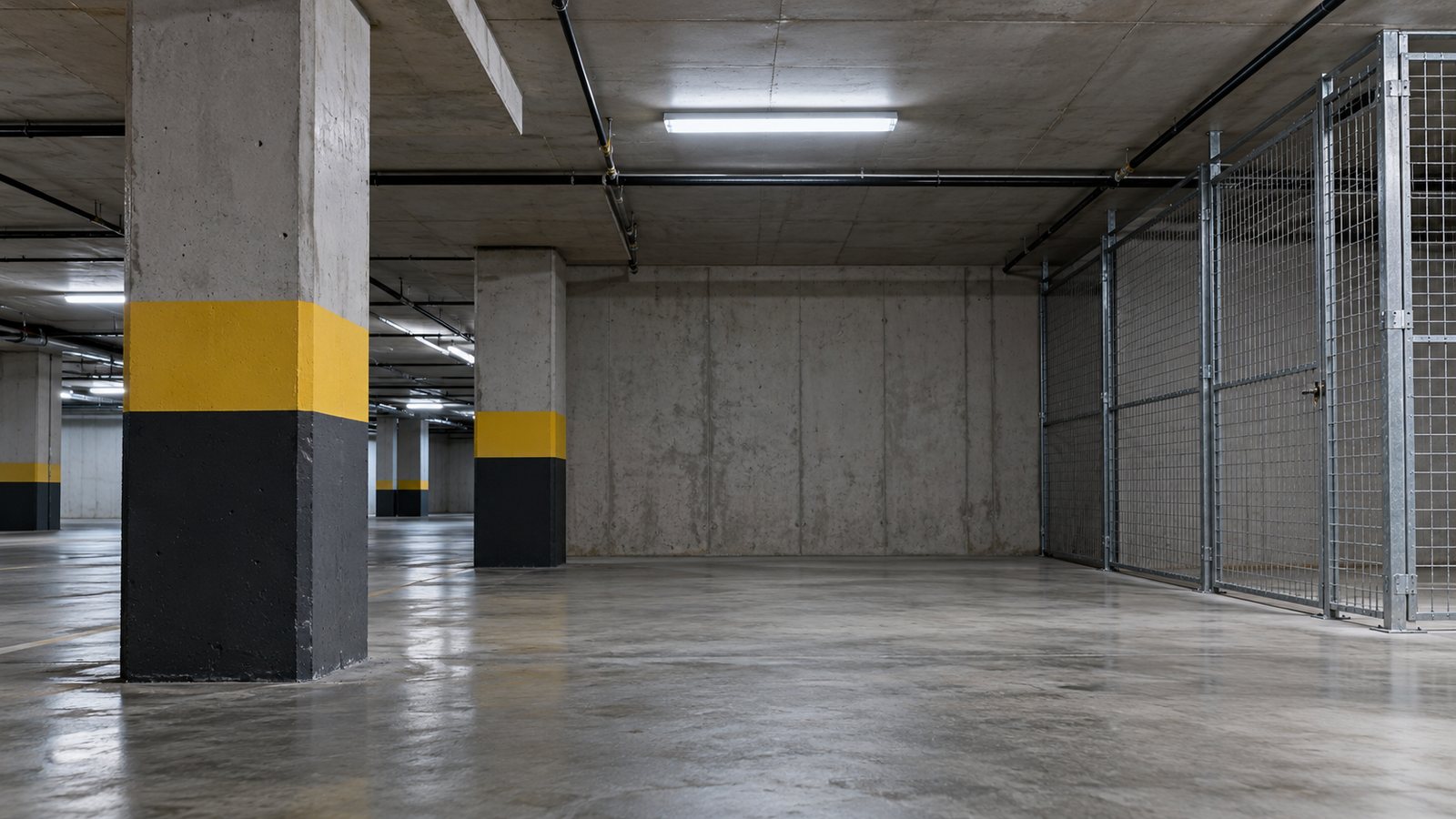
The image above is a fictional AI-generated image. It does not show a real condominium, parking space, storage locker, record, client, or transaction.
Why is a space number in the listing not enough?
A listing describes what the seller and listing team believe they are offering. It is useful evidence, but it is not the complete ownership record. The seller may use a particular stall because it was assigned by the association, because a prior owner traded spaces, or because a separate arrangement exists. The source of the right matters. You need to know whether the right transfers with the unit and whether the association can reassign it under its documents.
California's Residential Subdivision Buyer's Guide distinguishes a condominium unit from common area and association-owned facilities. The California Department of Real Estate's common-interest guidance tells buyers to read governing documents for use restrictions, including parking. Those sources explain why a physical stall alone cannot answer an ownership question.
Start a simple record with separate lines for parking, storage, visitor parking, and any other space the listing mentions. Quote the exact listing claim. Then add the document that supports it or mark the claim unresolved. My Bay Area parking checklist covers the physical and practical checks for any home. A condo adds this document review.
Which documents identify what comes with the unit?
Request the preliminary title report and ask the title company which recorded documents describe the separate interest and any parking or storage right. Read the condominium plan, declaration of covenants, conditions and restrictions, deed references, and recorded amendments that apply to the unit. A diagram can help you match labels to physical spaces, but ask a title professional what the recorded language actually covers. Do not treat an informal floor plan as a recorded plan.
Next ask the association manager for its current assignment record, parking and storage rules, and any written approval or transfer record for a space that the seller says belongs to the unit. Compare the identifiers in those records with the contract and title material. If the association uses a different number from the garage wall, ask for the cross-reference in writing. A verbal explanation can point you to a record. It should not replace one.
My preliminary title report guide explains the broader title review. It is worth reading alongside the association packet because a title exception, a recorded declaration, and an association rule answer different questions. Ask a California real estate attorney to interpret a disputed or unclear right. This is a decision about what you will receive at closing, not a vocabulary test.
What is the difference between deeded, exclusive-use, assigned, and leased space?
These labels describe different possible arrangements, but the exact documents control. A space may be included in a separately described property interest. It may be common area designated for one unit's exclusive use. The association may assign a space under its governing documents. A seller may also use a space under a separate lease or license. Do not assume those arrangements have the same transfer, maintenance, insurance, or reassignment rules.
Ask four direct questions: What document created the right? Who holds it now? What must happen for the buyer to receive it? Who may change the assignment after closing? The answer may require both the title company's record search and the association's current records. If a separate agreement is involved, ask whether it is transferable and whether anyone must consent. Have an attorney review a contested answer rather than relying on a sales description.
The California DRE's contract reference emphasizes identifying what the sale includes and excludes in the signed agreement. Spell out the specific parking and storage identifiers in the transaction documents with your agent and the appropriate professionals. Do not wait for a key handoff to discover that the contract and the association packet described different spaces.
How do you check the actual stall or locker?
Arrange permitted access and walk the route from the unit to each promised space. Photograph the identifier and nearby landmarks without photographing another person's private property. Compare what you saw with the plan and association assignment record. Confirm whether the parking space is covered, gated, tandem, mechanical, or reached by a shared driveway. For storage, check whether the locker is enclosed, open, elevated, or located in a shared room. Record dimensions only if you measure them or obtain a reliable plan. Do not infer them from a photo.
Check the practical fit of the space for your own vehicle or storage needs without making a claim that it will fit every use. Look for doors, columns, pipes, slope, lighting, access hours, and an obvious path for moving items. Ask the association what may be stored, whether shelves or modifications need approval, and whether vehicle types or repairs are restricted. The recorded right and the daily rules are separate questions.
Do not enter a locked area without authorization or treat a casual tour as a technical inspection. If a gate, lift, electrical outlet, or drainage concern matters to your decision, ask a qualified specialist or the association to explain its condition and responsibility. My disclosure-package guide helps you place these observations beside the seller's statements and supporting records.
What should you ask about access, keys, and ongoing rules?
Ask how the garage, storage room, and assigned space are accessed today: physical key, remote, fob, app, or building staff. Find out which devices will be handed over, whether they must be returned to the association for reprogramming, and what replacement or registration steps apply. A working remote shown during a tour is not proof that the buyer will inherit the seller's account or be allowed to use that access method.
Read the current rules for parking permits, guest spaces, charging equipment, storage contents, and any limit on renting a space to another unit. Ask the association manager whether a waiting list, separate fee, or approval process affects a feature advertised with the home. Do not assume a rule is permanent. Ask which governing document authorizes it and whether a recent amendment or board decision changed it.
The DRE's common-interest guidance lists governing documents and association records a buyer should review. Ask for a complete packet rather than relying on an agent summary. If your intended use depends on an exception, get a written answer from the association and legal advice where appropriate. Do not buy based on an assumption that approval will be granted later.
How do you resolve conflicting descriptions before a deadline?
Put every conflicting description on one page. List the space identifier in the listing, contract, title report, condominium plan, association assignment letter, and wall marking. Add a source and date for each. Then ask the listing side, title company, and association manager to explain the mismatch in writing. Each party may know one part of the record. A reply that simply repeats the listing does not resolve a title or association question.
Bring the issue to your agent while your signed agreement still gives you time to investigate. Contract periods and rights vary with the actual terms. Your agent can coordinate the request, while a title professional and attorney can answer questions about record meaning and transfer. If a lender or insurer has a property-specific requirement tied to the space, ask that professional directly. I do not promise that a document can be corrected or that a seller can deliver a right it does not hold.
My Bay Area buying guide and Alameda County buying page place document review alongside the rest of the buying decision. The task here is narrower: decide whether the parking and storage described in the offer are supported by records you can rely on.
Which mistakes create avoidable parking or storage surprises?
The first mistake is relying on a listing icon, a painted number, or a seller's long use of a stall as proof of a transferable right. The second is reading only one document. A recorded plan may identify a space while current association records explain its assignment or use. The third is assuming that a storage area is private because it has a lock. The key may control access without establishing ownership or exclusive use.
Another mistake is checking title but skipping the physical space. You might discover a mechanical lift, an obstructing column, or an access route that affects your intended use. The reverse mistake is touring the space but never confirming its legal description. Also avoid treating visitor parking as a unit entitlement unless the governing records say so. Ask the association rather than extrapolating from open spaces during one visit.
Finally, do not let an unresolved mismatch disappear into a general closing checklist. Write the question, the person responsible for answering it, the document needed, and the decision date. If it remains unresolved, discuss the contract options with your agent and California counsel. Do not turn uncertainty into an invented guarantee.
What should be on your one-page review checklist?
Use one row per promised space. The checklist keeps a garage stall from being confused with a locker, a guest space, or a second space used under a separate arrangement.
- Identity: Record the space number, location, listing wording, contract wording, and physical marking.
- Right: Identify the recorded document or association assignment that supports use and transfer.
- Rules: Read current restrictions on vehicle type, storage contents, access, charging, and modifications.
- Condition: Visit with permission and record any feature needing a specialist or manager's answer.
- Handoff: Confirm keys, fobs, remotes, accounts, registration, and any separate agreement.
- Open question: Note who will answer, which document will settle it, and your contract deadline.
Keep the records together. A short written question is easier for the association or title company to answer than a vague request to confirm that parking is included. If your intended use depends on a specific dimension, power source, or access condition, ask the responsible professional to verify it. This list helps you organize the review. It is not a substitute for title, legal, technical, or association advice.
Does a deeded parking space always transfer with the condo?
Do not assume it does from the label alone. Ask the title company and a California real estate attorney to identify the actual recorded interest, its holder, and the documents required to transfer it with the unit. Confirm that the contract describes the same space. The relevant recorded documents and signed agreement answer this property-specific question.
Can an HOA change an assigned parking space?
The answer depends on the declaration, plan, rules, and assignment record for that association. Ask the manager to identify the document that permits assignment or reassignment and whether this unit's current space is fixed. If the answer affects your decision, have California counsel review it before you rely on it.
What if the storage locker number does not match the records?
Pause the assumption that the locker you toured is the one being sold or assigned. Ask the seller, association manager, and title professional for a written cross-reference between the physical marking and the governing record. If they cannot establish it before your decision deadline, speak with your agent and attorney about the contract choices available to you.
For help organizing a Bay Area condo review, contact Kate Fomina. You can also see how document and inspection questions fit into my buying process. This guide is general information, not legal, title, lending, insurance, or technical advice.