2026-11-01 · 10 min read · Bay Area
How Do You Check an Electrical Panel Before Buying a Bay Area Home?
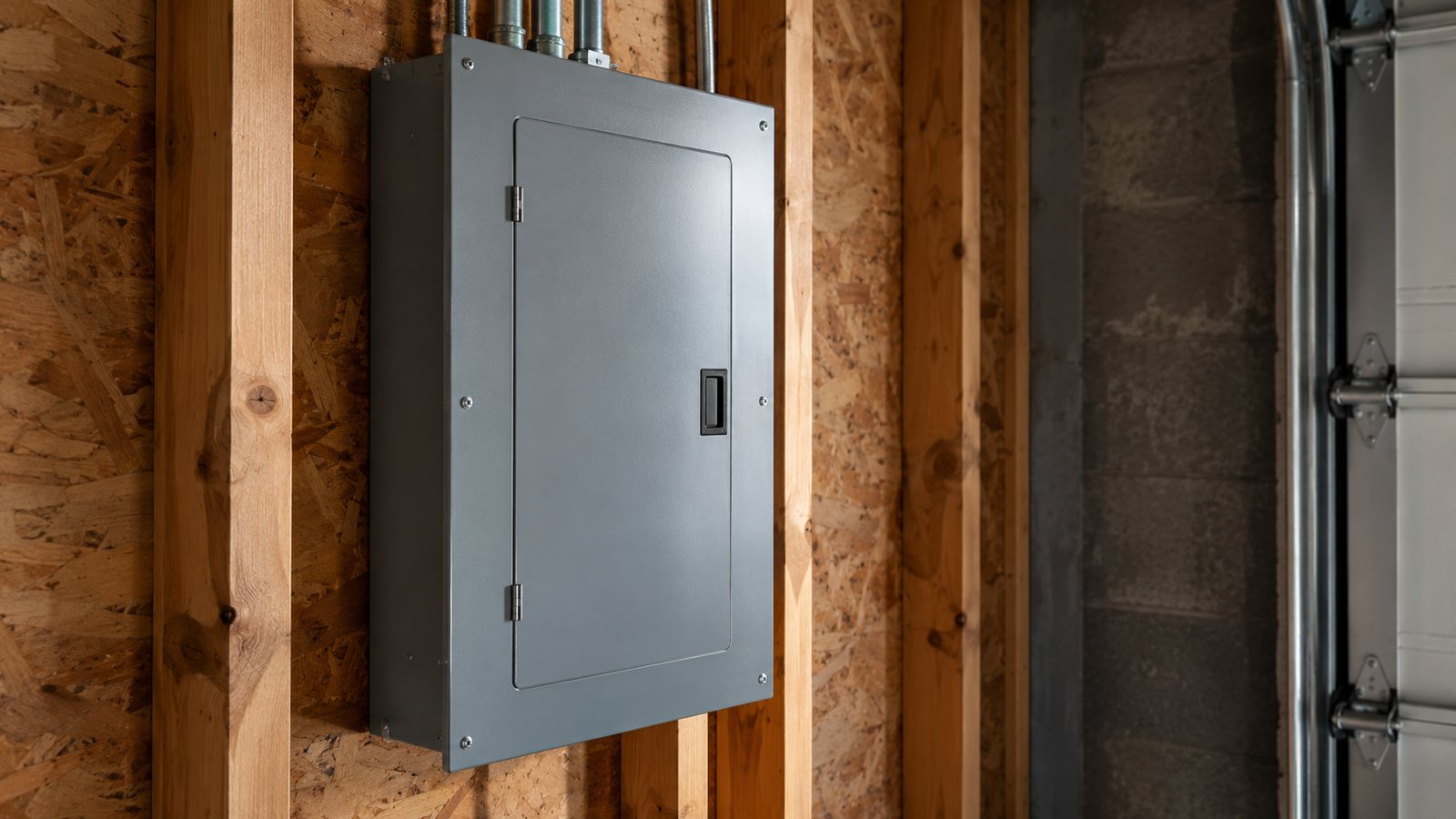
How do you check an electrical panel before buying a Bay Area home?
To check an electrical panel before buying a Bay Area home, ask for the seller's electrical work records, read the general inspection report, and arrange a qualified electrician's evaluation when the condition or your future plans raise a question. Ask that professional to distinguish the panel's condition from the home's wiring and the utility service feeding it. Get any recommended work, permit questions, and likely project sequence in writing before your investigation deadline. You cannot determine electrical safety or spare capacity from a photograph of a panel door.
I am Kate Fomina, a real estate broker in Alameda, CA, helping buyers across the San Francisco Bay Area make a property decision with a strategy instead of a guess. At Crypton Realty, I organize the records, access, and contract timing. I do not inspect wiring, calculate electrical loads, or certify that a system is safe. An electrician, the local building office, and the serving utility answer those questions within their own roles.
The image above is a fictional AI-generated image. It is not a real home, electrical installation, inspection finding, or safety approval.
What are you actually evaluating: the panel, wiring, or service?
People often use electrical panel to mean the entire electrical system. The panel is one component. It distributes power through circuits. Wiring, outlets, switches, protective devices, the meter, and the utility connection are separate parts of the picture. A new-looking panel does not prove that every circuit was updated. An older-looking panel does not, by itself, tell you what a specialist will recommend.
Ask the inspector to identify what was accessible and tested. Ask an electrician to explain, in ordinary words, whether the concern is a damaged component, an installation question, a wiring condition elsewhere, or the capacity needed for something you want to add. Those are different scopes of work. A quote to replace one part should not be mistaken for a promise to resolve every electrical issue in the house.
The California Department of Real Estate buyer guide recommends professional checks of a home's electrical system. That is a useful starting point for a buyer, not a substitute for a property-specific evaluation. My Bay Area buying guide puts physical investigation beside financing and contract decisions, because a system question can affect more than the repair budget.
Which records should you request before the inspection deadline?
Ask the seller for any available invoices, permits, final inspection records, warranty papers, and prior electrical reports. Look for work on the panel, added circuits, remodels, solar equipment, a heat pump, or vehicle charging. A receipt shows that someone charged for work. It does not establish the full scope, that a permit was required or obtained, or that a final inspection passed.
Match the paperwork to what exists at the property. Does the permit description appear to cover the installed equipment? Was the work completed and signed off? If the record is unclear, ask the city or county building department that has authority for the address. My permit-history guide explains how to compare an online record with the finished work. An online search can miss older or differently indexed records, so get a direct answer when the detail matters.
Put unanswered items on one list. Mark who can answer each one and when you need the answer. A buyer should not treat a vague seller statement, a contractor invoice, and a final building record as interchangeable proof. The aim is a traceable file, not a perfect file from every past owner.
What can you notice safely during a showing?
Find the panel location and ask whether the inspector can reach it. Note whether stored items block access. From a normal viewing position, you can note visible damage, missing exterior covers, staining, or a report of frequent breaker trips. You can also ask the seller whether particular outlets or circuits have stopped working. These are reasons for professional follow-up, not a buyer's diagnosis.
Do not remove the service-panel cover, probe wiring, or try to test a questionable circuit yourself. The U.S. Consumer Product Safety Commission home-wiring guide
If you have time for another visit, use my second-showing checklist
When should you ask for a specialist electrical inspection?
Ask for an electrician when a general inspector calls out the panel or wiring, when records and visible work do not match, when outlets or circuits have reported problems, or when your intended new equipment could change the load. You may also want a specialist when the general inspection excludes an area you need to understand. The electrician should inspect the actual property and explain what was accessible, what was not, and what further investigation is needed.
Give the specialist the inspection finding and your real question. If your concern is a future charger, say so. If it is an unexplained breaker trip, say that instead. Ask for findings separated into observed condition, recommended action, and further testing. Ask whether any recommendation requires local permits or utility coordination. If the contractor proposes work, ask for a written scope that names what is included and excluded.
California's Contractors State License Board license lookup lets you check a contractor's current record. Its C-10 classification description
Does the existing service support what you plan to add?
A buyer may want vehicle charging, an induction range, electric water heating, or a heat pump after closing. Do not assume that an available breaker slot or a number printed on a panel is a capacity approval. A qualified electrician needs to evaluate the connected loads, equipment, and applicable requirements for the work you actually propose. Ask for options if the first answer is a larger panel. The right solution depends on the property and the project.
If Pacific Gas and Electric serves the address, its building electrification guidanceresidential project resources
Take your proposed equipment list to the electrician. Ask what can be decided now, what requires a design or load calculation, and what must wait for utility or building review. My buying process
How do you compare repair, replacement, and future-upgrade proposals?
Compare written scopes, not just the number at the bottom of a bid. One proposal may address an immediate observed defect. Another may include new capacity for future equipment, permitting, utility work, patching, and a scheduled service interruption. Those are not equivalent products. Ask the electrician to separate work needed to address a current finding from optional future work and from unresolved conditions.
For each proposal, ask what equipment and areas it covers, who will seek permits, whether utility approval is needed, who will arrange any required power disconnect, what finishes will be opened or repaired, and what would change the price. Ask what has to happen first. A date offered before an inspection or utility response may be an estimate, not a commitment.
Use this comparison before negotiating with the seller. If a report recommends a fix, a credit may give you control over the work after closing, but it leaves the scope and cost risk with you. Seller-completed work gives you a different set of records to review. Your lender or insurer may also have requirements that a private agreement does not satisfy. Ask each party directly before relying on a proposed solution.
What should go on your electrical due-diligence list?
A short worksheet can keep an electrical question from turning into a pile of unrelated estimates. Record the finding, its source, the person who can answer it, the document you need, and the contract date by which it matters. Bring the same list to your agent, electrician, lender, and insurer, but let each speak only to its own decision.
- What was installed or changed? Request seller records, permits, and final signoffs. Ask the seller and local building office about gaps.
- What is the present condition? Read inspection findings and scope limits. Ask a qualified inspector or electrician about the observed system.
- Can planned equipment be added? Bring an equipment list to an electrician. Ask the serving utility what it must review.
- What would work involve? Request a written scope, exclusions, permit plan, and utility steps from the licensed contractor and local authority.
- Does the resolution fit your offer? Compare contract dates with the lender's and insurer's responses. Ask your agent and, if needed, an attorney about the contract choices.
Do not use a blank cell as permission to guess. If a key answer cannot arrive before a contract deadline, discuss the available contract options with your agent and, where needed, a California real estate attorney. The signed agreement controls what you can request and when.
Which mistakes make an electrical question harder than it needs to be?
1. Treating a tidy panel as a complete inspection. A clean exterior does not show every connection, circuit, or wiring run. Read the inspector's exclusions and ask a specialist about the actual concern.
2. Calling every electrical issue a panel replacement. A reported outlet problem, an old permit, and a future load request may need different work. Define the question before requesting a price.
3. Assuming a past permit covers everything visible today. Compare the description and final record with the installation. Ask the local authority about the specific address if the match is uncertain.
4. Believing a larger service is automatically required. A qualified professional must evaluate the proposed load and available options. A web guide cannot settle a property-specific design.
5. Waiting until the last day to ask the utility. Work involving the service connection can require another party's review. Ask early whether the proposed scope depends on that review.
6. Negotiating before you know what the quote includes. A repair price that excludes permits, utility coordination, or wall repair may not describe the whole project. Request a clear written scope before deciding how a seller response affects your offer.
Can the home inspector approve the electrical system?
A general home inspection can identify visible conditions and recommend more investigation. It is not a blanket approval of concealed wiring or a design for a future electrical project. Read the report's scope and limitations. If it identifies a material concern, arrange the specialist it recommends within your contractual investigation period.
The California DRE buyer guide advises using professionals for electrical checks. Ask the inspector to explain what was observed, what could not be accessed, and what question the electrician should answer. A brief summary like “panel appears operational” has a limited meaning. It does not answer whether your planned equipment can be added or whether work elsewhere was permitted.
Is an older panel automatically a reason to walk away?
No. Age alone is not a property-specific safety finding or a complete project estimate. Ask a qualified electrician to evaluate the model and condition, the connected wiring, and any observed problems. If the specialist identifies a concern, get the recommended scope and timing in writing. Then compare that information with your budget and contract choices.
Do not dismiss an issue because the lights worked during the showing, either. A short viewing cannot test the system under every normal load. The decision is whether the known work and remaining uncertainty fit this particular home, not whether the panel looks new in a listing photo.
Who pays if electrical work is needed before closing?
There is no universal answer for a Bay Area sale. The signed contract, any inspection contingency, the seller's response, and lender or insurer requirements affect the options. You can ask for a repair, a credit, another written arrangement, or decide whether to proceed under the agreement's terms. Do not promise a seller that one contractor quote resolves every concern.
Put any negotiated change in the form required by the transaction and have the appropriate professionals review it. I can help you organize the inspection record, deadlines, and proposal. I cannot give an electrical, legal, insurance, or lending approval. If this question is central to an offer in Alameda County, read my Alameda County buying guide and contact me with the report and records. We can identify which answers you still need before you decide.