2026-11-24 · 9 min read · Bay Area
How Do You Check Appliance Recalls Before Buying a Bay Area Home?
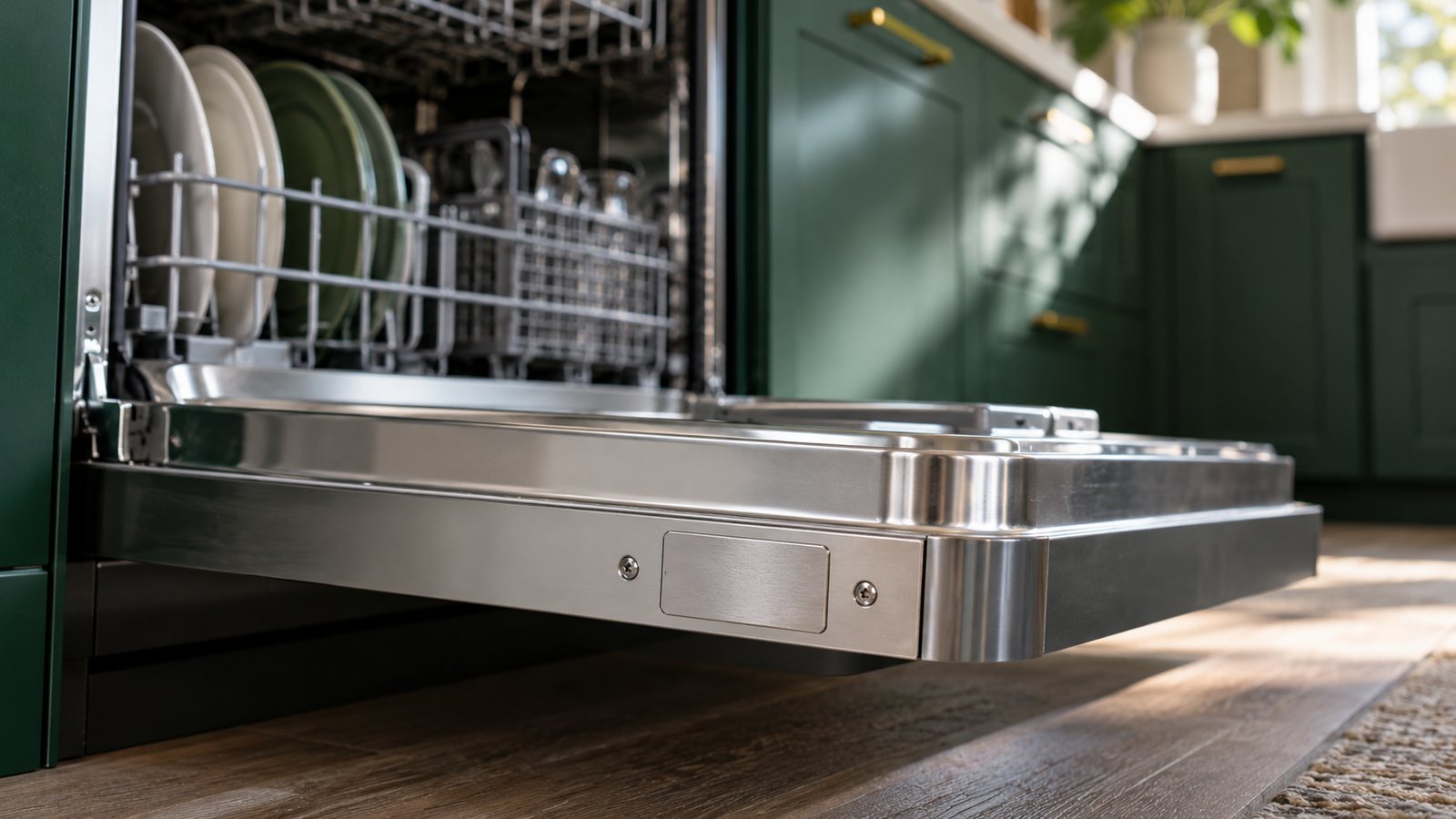
How do you check appliance recalls before buying a Bay Area home?
To check appliance recalls before buying, first list the appliances and other consumer products that the signed agreement says will stay. Record each product’s brand, full model number and, when a notice calls for it, serial number. Search the U.S. Consumer Product Safety Commission recall notices and the manufacturer’s official recall page. Compare the exact identifiers and photographs in a notice with the installed item. If there is a match, follow the notice’s safety instructions and ask for written proof of any completed remedy. A general home inspection or a statement that the appliance works does not answer the recall question.
I am Kate Fomina, a real estate broker at Crypton Realty in Alameda. I help buyers across the Bay Area organize property questions before deadlines in the buying agreement. This guide gives you a way to collect and verify product information. A manufacturer, qualified service provider or the agency behind a notice must answer technical safety questions. The image above is a fictional AI-generated image, not a real home or appliance.
Which installed items should go on the recall list?
Start with what you are actually buying. The range, dishwasher, refrigerator, laundry equipment and built-in microwave may be obvious. A garage door opener, portable equipment included by agreement or a connected device left with the property may also be relevant. A system attached to the home can involve a different regulator or a manufacturer notice. Do not assume one search database covers every possible product.
Use the signed agreement to settle the inclusion question before building your list. A photograph in a listing is not the contract. Our guide to reading the disclosure package helps you place the equipment list beside the seller’s written disclosures. If an item is excluded or will be replaced before closing, ask your agent to document the change and confirm which product will be present at possession. The aim is a list tied to this property and this agreement, not a generic kitchen checklist.
For a Bay Area condo, ask whether an appliance is part of the unit or provided through a shared facility. The responsible party and access to records can differ. For a single-family home, distinguish equipment that stays from a seller’s movable personal property. Your agent can help you clarify the transaction documents. The manufacturer can clarify the product.
Where can you find the model and serial numbers?
Look for the product label or rating plate. Its position varies by product, so use the maker’s manual or official support page for that model if you cannot find it without moving or opening equipment. Photograph the whole label and the appliance in its installed location, with permission to access the property. A brand name alone is too broad. Recall notices can identify particular models, production dates or serial ranges.
Ask the seller for manuals, receipts or service records if available. Those records can help you locate the model, but they do not prove that the same unit is still installed. Compare the paperwork with the physical label. If a label is unreadable, document that limit instead of guessing. An inspector or appropriate service professional may be able to identify the unit safely. Do not remove panels, disconnect a gas appliance or handle electrical components to reach a label during a showing.
Record the date you checked each item. Product notices and remedy information can change. A dated list tells you what you actually reviewed and which items still need follow-up.
How should you search an official recall notice?
Use the commission recall search for consumer products within that agency’s scope. Search by the maker and model, then open the actual notice. The commission says its recall information is publicly available and offers a searchable database and app. Its data page also describes the recall data it publishes. A general search result or an old retailer page is a lead, not your final check.
Read the notice’s product name, affected model or serial range, identification photographs, hazard description, consumer instructions and remedy. The notice may direct you to the recalling company for a repair, replacement or refund. Follow the instructions for that notice. Check the manufacturer’s official site for product-specific details and current remedy availability. Save the source link and a dated note of what you found.
If no result appears, repeat the search with the exact number from the label, a shorter model stem and the manufacturer name. A search that returns nothing does not certify the product as safe, and it does not establish that all past work was completed. If identifiers conflict or a relevant notice is unclear, contact the manufacturer or the commission rather than interpreting the technical scope yourself.
What if the appliance matches a recall?
Read the official notice before using or testing the item. A recall notice tells consumers what action to take, and that direction controls the immediate safety step. Do not keep operating an item just because it appears to work. Do not arrange an improvised repair. Contact the company named in the notice or a qualified service provider about the specified remedy, and ask what proof will show the remedy was completed for this exact unit.
Then separate safety from the transaction decision. The notice does not by itself tell you whether the seller must replace an item, whether a credit is available or whether you can cancel a sale. Those answers depend on the agreement, disclosures, deadlines and professional advice. Ask your agent to put the question in writing. If the remedy requires access after closing, confirm who will schedule it, who may authorize it, and how possession or insurance questions will be handled with the appropriate professionals. Do not rely on an oral promise that the seller already took care of it.
California’s DRE buyer guidance describes inspection and disclosure review as parts of the homebuying process. It tells buyers to read the offer and ask questions before signing. Use that approach here: identify the product, get the record and resolve the open question within the time allowed by your own agreement.
What evidence shows a recall remedy was completed?
Ask for a service invoice, manufacturer confirmation or another record that identifies the installed unit and the work performed. Compare the record’s model and serial information with the label you photographed. A generic receipt for an appliance repair may be useful history, but it may not establish that the specific recall remedy was performed. A seller’s statement can point you toward records. It is not a substitute for checking them.
If the company used a replacement part or a software update, ask the company or service provider how completion is documented. The answer depends on the notice and product. If the work is scheduled but incomplete, record the appointment status and ask your agent how to address the open item in the transaction. Your home inspector can describe visible condition and testing within the inspection’s scope. The inspector should not be asked to certify a manufacturer’s recall remedy without the necessary expertise and records.
Keep the records with the water-heater questions and other equipment notes for the home. The useful distinction is simple: a product can operate today, have a service history, and still require a separate recall check.
When should a buyer do this check?
Begin when you receive the inclusion terms and access to inspect the property. Do not wait until moving day to learn the model numbers. Ask your agent to put product identification on the inspection plan, especially when an appliance or garage system matters to your decision. The educated step of my buying process focuses on getting the property questions in front of you while you can still act on the answers.
Review the actual dates and contingencies in your agreement with your agent. The California DRE buyer guide describes home inspection as a chance to evaluate the property and notes that inspections and requested repairs can be addressed through the offer. It does not set one universal timetable for every contract. If a label is inaccessible, a seller is replacing an item, or a manufacturer has not answered, list the unresolved question before a decision deadline. Your broker or attorney can advise on contract rights. A technical expert can advise on a product hazard.
Before the final walk-through, compare the items that remain with the agreement and any written remedy commitments. That check confirms what is physically present. It does not replace the earlier research.
What belongs on a practical appliance recall checklist?
Make one line for each included product. The list is useful only if someone can return to the source and see how you reached the conclusion.
- Confirm inclusion: Name the item and point to the agreement or written clarification that says it stays.
- Identify the unit: Save a label photograph, full model number and any serial number needed for the notice.
- Search primary sources: Record the commission or other applicable agency notice and the manufacturer’s official page, with the date checked.
- Match the scope: Compare the notice’s identifiers with the physical unit. Mark uncertain matches as open questions.
- Document the remedy: If a notice applies, save the official safety instruction, company contact and proof of completed work or the pending plan.
- Resolve the transaction question: Ask your agent which written response is needed before the relevant deadline. Keep specialist safety advice separate.
Do not put account passwords or private seller information in the shared checklist. If the equipment has an app or connected account, handle account transfer and resets separately with the provider’s instructions.
Which mistakes make this check less reliable?
1. Searching only the brand. The result may cover a different model. Copy the complete number from the installed label and compare every affected range in the notice.
2. Treating “working” as “not recalled.” A quick test during an inspection cannot clear a product from a safety notice. Use the official notice and the maker’s records.
3. Assuming a repair invoice settles the question. The invoice may describe unrelated service. Match it to the unit and ask the company what counts as completion of the specified remedy.
4. Making a safety decision from a contract conversation. The seller and agents can discuss agreement terms, but a recall’s safety instructions come from the notice and product experts. Follow those instructions while the transaction question is worked out.
5. Checking after the decision deadline. A late discovery can leave fewer choices. Start the list while you are reviewing disclosures and inspections. Our Alameda County buying guide shows how to keep other property checks tied to a particular address. Use the same habit for the appliance list.
Does a clean home inspection mean no appliance recalls exist?
No. A home inspection and a product recall search answer different questions. An inspector may report on the visible condition and operation of an appliance within the inspection’s scope. A recall search compares the unit’s identifiers with a public safety notice. Ask the inspector what was and was not included in the inspection, then do the product check separately. The Bay Area buying guide places both tasks in the wider buying decision.
Can a buyer search without the seller’s serial numbers?
You can start with the brand and model, but the result may remain uncertain if the notice is limited by a serial range. Ask for permission to photograph the installed label or request the information through your agent. If you cannot get the identifier before a deadline, say so clearly. Do not turn an incomplete search into a statement that the unit has no recall.
Who decides what happens if the recall remedy is pending?
The official notice and manufacturer explain the product remedy and safety steps. Your agreement and the people advising on the transaction determine the available contract response. A licensed specialist may need to perform the work. Ask for a written plan that identifies the unit, responsible contact, timing and proof of completion. If the open item affects your decision to buy, raise it before the applicable deadline with your agent and, when needed, a California real estate attorney.
What should you do with the result before making a decision?
Put the dated product list next to the disclosure and inspection file. Mark each item as verified, uncertain or subject to a notice, and attach the source link and any remedy record. You do not need to pretend every appliance question has the same answer. You need to know which answer is still missing.
If you are comparing a Bay Area home and want help organizing the property questions before your contract deadlines, contact Kate Fomina. Bring the agreement, label photographs, notices and records you have. We can work through the transaction questions and direct technical issues to the right specialist.