2026-11-23 · 9 min read · Bay Area
What Manuals and Warranties Should Sellers Hand Over at Closing?
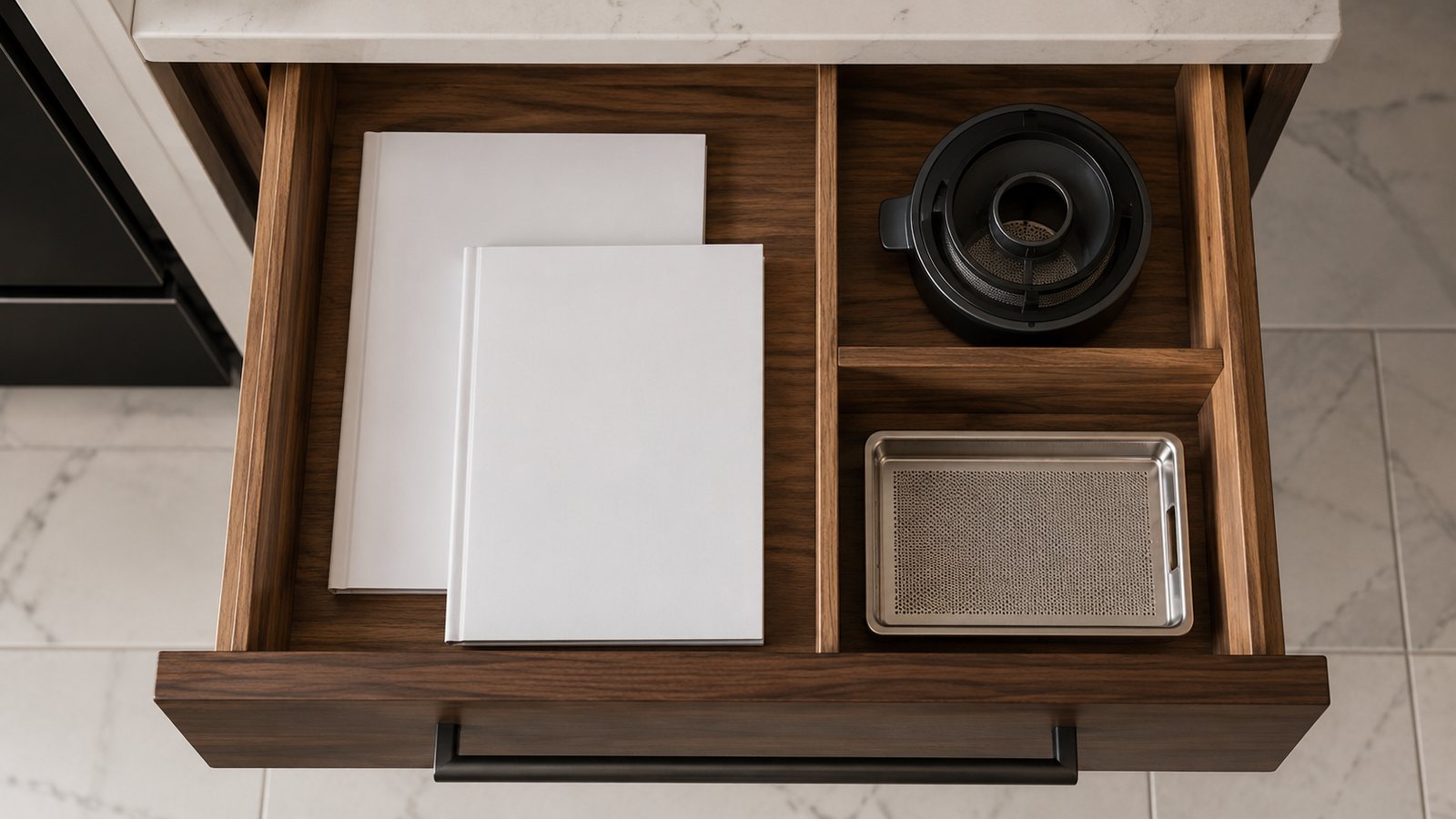
What manuals and warranties should sellers hand over at closing?
Hand over the instructions and records for equipment that will stay with the home: the appliance and system manuals you have, model and serial information, recent service records, available warranty documents, and the contacts needed to request service. Put a short index on top so the buyer can match each record to the installed item. Confirm separately whether any warranty or service contract can transfer. Do not describe coverage as transferable simply because you have the paperwork.
I am Kate Fomina, a real estate broker at Crypton Realty in Alameda. I help Bay Area sellers make the handoff clear before the closing rush. This is an organization task, not a substitute for the property disclosures, the signed agreement, or professional advice about a product's coverage. The image above is a fictional AI-generated image, not a real property or a promise of warranty coverage.
Why make a separate equipment file before the move?
A buyer needs to know what is installed, how to operate it, and whom to call if it needs attention. A manual may identify a filter size, a reset procedure, or the right replacement part. A service record may tell the buyer what a technician actually did. Neither document proves that an item is in good condition today. Keep that distinction visible.
Start before you pack. Paper manuals tend to be in kitchen drawers, garage shelves, and folders that get boxed with personal records. Digital receipts may sit in an email account the buyer will never access. Gather the useful documents while you can still match them to the equipment. If a manual is missing, record the exact model and point the buyer to the manufacturer's official manual lookup. Do not download a manual for a similar model and label it as the one installed.
Make this a clean handoff, not a sale pitch. My Bay Area selling guide covers the wider sale plan. This file has the narrower job of helping the next owner understand the equipment left behind.
Which equipment belongs on the list?
Walk through the home with the signed agreement and the current property inventory. List only items that are staying. Common candidates are the heating and cooling equipment, water heater, built-in kitchen appliances, ventilation equipment, garage-door opener, water treatment equipment, irrigation controller, installed solar equipment, and connected devices that will remain. A portable item that the seller is taking does not belong in the buyer's handoff file.
For each item, write its location, manufacturer, model, serial number if safely accessible, and the document types you have. A photograph of an accessible model label may help. Do not remove covers or enter an unsafe space to find a number. Ask a qualified technician if the label is inaccessible. Keep the buyer's copy free of account passwords and unrelated personal data.
The agreement controls what stays. If a listing photo shows a device but the contract excludes it, a manual does not change the contract. Resolve any mismatch through the agents before closing. The seller final walk-through guide addresses the separate check of property condition and agreed items near possession.
How should the file distinguish a manual, a receipt and a warranty?
Put each record under the right label. An instruction manual explains use and maintenance. A sales receipt may establish when an item was bought. An installation invoice describes work billed by a contractor. A service report describes a particular visit, sometimes with limits or recommended follow-up. A warranty states what a warrantor promises under its written terms. A paid service contract is another product with its own terms. Mixing those papers together can make an old invoice look like proof of current coverage.
The Federal Trade Commission's warranty guidance tells consumers to read the written terms, save the warranty and receipt, and check what is covered and how to make a claim. It also distinguishes service contracts from warranties. Use that framework for the file. Keep a copy of the terms that applied to the actual item, rather than a current marketing page that may describe a different plan.
Do not write “under warranty” on the index unless the company has confirmed coverage for this item and this transaction. A plain label such as “warranty document included, transfer status unconfirmed” is more useful than an unsupported assurance.
Can an appliance or system warranty transfer to the buyer?
It depends on the specific written terms and the company administering them. Read the section on ownership changes, registration, deadlines, fees, exclusions, required proof that the item was bought, and how a new owner makes a claim. If the terms are unclear, contact the manufacturer, installer, or service-contract company through its official channel and ask about this exact model and address. Save the response with the handoff file.
Ask whether a separate transfer form or buyer registration is needed, who must submit it, and whether the seller can do that before closing. A verbal answer from a salesperson is not enough to promise the buyer future service. The FTC advises getting spoken warranty promises in writing. If a company will not confirm transfer, say that coverage has not been confirmed. The buyer can then decide whether to follow up directly.
Some system files include several promises from different parties. A manufacturer's parts warranty, an installer's workmanship promise, and a paid maintenance plan can have different terms. Label each one separately. A service visit under one plan does not prove coverage under another.
What should the seller do with service and repair records?
Include records that help explain work on equipment remaining with the property. Put the date, company, item, work description and any written recommendation together. A receipt for a replacement part is useful, but it does not tell the whole story if a technician recommended further work. Preserve that recommendation too. Do not edit a report or select only the favorable page.
If a contractor performed permitted work, keep the permit and final status with the work record when available. A paid invoice is not a building department's final sign-off. My unpermitted-work checklist explains how to keep those separate questions straight. If a record is missing, say what you can and cannot locate. Do not create a new document that implies an inspection or repair happened.
The file can also identify recurring maintenance tasks, such as a filter change or annual service recommended by the manufacturer. State the manufacturer's instruction or your recorded service history, not a prediction that the equipment will keep working for a set period.
Does handing over records replace seller disclosures?
No. The California Department of Real Estate's 2026 California real estate law excerpts discusses the seller's separate disclosure duties. The Transfer Disclosure Statement asks about listed appliances and systems and known operating problems. An equipment folder can support a buyer's review, but it does not answer the disclosure questions for the seller or amend a completed form.
If you know a device is not operating correctly, tell your agent and address the issue through the appropriate disclosure and contract process. Do not place an old service invoice in a folder and assume the buyer will infer the present condition. Conversely, a recent maintenance invoice is not a professional certification that everything is working. Keep the facts and their dates clear.
A buyer may also need a qualified inspection of the system. This article cannot decide whether a condition is material or what a contract requires. Have your broker and California counsel advise on those questions in the actual transaction.
How should connected devices and accounts be handled?
List the connected devices that stay, then identify who controls each account. A thermostat, camera, doorbell, garage opener, or irrigation controller may be tied to a seller's phone, email, cloud subscription, or payment method. The physical device and the digital account are different parts of the handoff. Do not give the buyer your personal password or leave your account logged in.
The FTC's smart-home advice recommends that sellers remove personal information and administrative access and leave manuals for the new owner. The buyer should set up their own account and update the device as needed. Ask each provider for its actual reset and ownership-transfer process before changing a device that the contract says will remain operational.
Coordinate timing with the buyer. A premature reset could interrupt a device during the buyer's final review. A late reset could leave seller access after possession. Write down the agreed handoff step, who completes it, and when. For shared building systems, ask the association or manager which access rights they control.
What information should stay private?
Check every page before sharing it. An invoice may show a credit-card fragment, personal phone number, email account, financing details, or a former tenant's information. A utility statement may reveal usage unrelated to the equipment question. Give the buyer what helps identify and operate the system, while removing unrelated personal information from a copy when that is appropriate. Keep the original in your records.
Be careful with serial numbers and documents that prove ownership. They can help the buyer seek service, but use the transaction's agreed document channel rather than posting them publicly. For any record that also contains disclosure material, ask your agent before redacting it. A privacy edit should not conceal a known condition, a contractor's finding, or an obligation to provide a complete document.
Do not leave a binder of personal household papers on a counter for an open house. Make the buyer copy when the transaction is ready for it and transmit it through the agents or another agreed secure method.
When should the buyer receive the file?
Do not wait until the moving truck is outside. Give the buyer material records early enough to read them within the contract's actual review period when they bear on an investigation or negotiated term. A warranty transfer that needs action before closing is a reason to find the terms early. A simple duplicate user manual can be included with the final handoff. The right timing depends on the agreement and what the document says.
Prepare a digital copy and a short physical packet if the buyer wants one. Use clear filenames with the equipment name and document date. Keep a copy of the index and a record of what was sent. If a document arrives after the original package, send it as a dated addition instead of silently swapping pages. That makes it easier to know which version everyone reviewed.
The Alameda County selling page explains the wider local sale process. The equipment file is a small task within that process. It should be coordinated with disclosures, agreed repairs, the final walk-through, and possession.
Which handoff mistakes are easiest to avoid?
The first mistake is promising transferability from the presence of a warranty card. Read the actual terms and get the provider's answer. The second is leaving every document in one thick stack. Match each page to an installed item. The third is treating a maintenance receipt as proof of present condition. Give its date and the work description, then let the buyer inspect as needed.
Another mistake is sending records for items that are leaving the home. Compare the file to the signed agreement. Finally, do not forget digital control. A connected device may remain on the wall while the seller still controls it through an app. The FTC's smart-home guidance is a useful reminder to separate the device from the old account.
Use the same plain approach for missing information. “I do not have the installation invoice” is a usable statement. Reconstructing a date from memory and presenting it as a record is not. If the missing paper matters to a negotiated term, bring it to the agents before closing.
What belongs on a one-page seller handoff checklist?
Use these six checks to show what exists and what remains open. The checklist does not grade the equipment.
- Included item: Note its location and model. Does it match the signed agreement?
- Operating guide: Add the correct manual or official lookup. Does it match the installed model?
- Work history: Include dated service and installation records. Was follow-up recommended?
- Coverage: Include the written warranty or service contract. Has the provider confirmed transfer?
- Digital access: Record the account reset or new-owner setup. Who performs it and when?
- Delivery: Send a dated index and buyer copy. Has the buyer received every addition?
Have your agent compare the checklist with the signed agreement and the disclosure file. If the list reveals a new condition or a missing promised item, deal with that directly. My pre-listing repair guide explains why repair decisions need their own review. A neat binder does not solve a repair or contract problem.
Should a seller buy a new home warranty for the buyer?
There is no universal answer. First read the proposed contract's coverage, exclusions, claim process, service fees, provider, and cancellation terms. Check whether it overlaps with existing manufacturer coverage. The FTC explains that a separately sold service contract differs from a product warranty. Ask the provider exactly what the proposed plan covers at this address. A broker can help coordinate the offer term, but the provider decides coverage under its contract.
Do not use a new plan to avoid discussing a known defect. If the property has a condition you know about, address the disclosure and contract question directly. A future service plan does not turn an existing problem into an unknown one.
What if the seller cannot find a manual or receipt?
Start with the installed model label if it is safely accessible. Search the manufacturer's official site for that exact manual, then identify it as a downloaded copy rather than an original supplied with the item. Ask the installer or service provider whether they can provide a duplicate invoice or report. If they cannot, say so. Do not guess the installation date or claim that a provider still has a record.
A missing receipt may affect a warranty claim. Ask the warrantor what proof it accepts. The answer can vary by product and plan. Keep that response with the file so the buyer knows what was verified and what remains their question.
Who can confirm that a warranty will work after closing?
The manufacturer, installer, insurer, or service-contract company named in the written terms is the right starting point. Give them the model and contract information they request through an official channel. Ask for the answer in writing, including any buyer action and deadline. Your real estate agent can organize the exchange, but cannot rewrite the provider's coverage terms.
If the answer remains uncertain, describe it as uncertain in the handoff. The buyer can seek their own advice before relying on the coverage. Do not promise a future repair, replacement, or reimbursement unless a responsible provider has put that promise in writing.
How does this fit into Kate Fomina’s selling process?
I would make the equipment index while the seller is already gathering property records. Then I would compare the list with what stays under the agreement, ask about unanswered coverage questions, and coordinate delivery with the transaction calendar. The buyer receives a usable file, and the seller keeps a record of what was provided. That is the practical goal.
My selling process explains how we coordinate the work around a sale. If you are preparing a Bay Area home and want help deciding which records matter for your transaction, contact Kate Fomina. This article is general real estate information, not legal advice or a guarantee about equipment, a product warranty, or a service contract.